
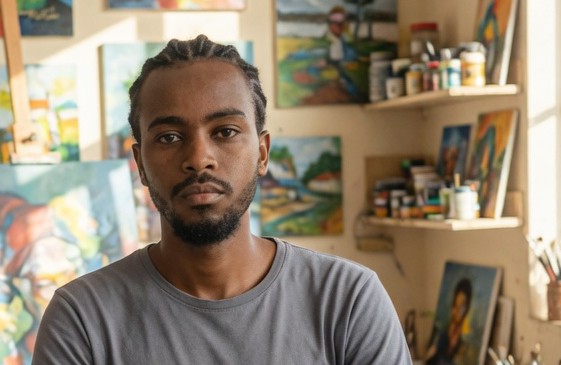
What if a landscape could teach someone how to see?
Featured Artist:
MUNEZERO Benjamin
By Worldwide Art Advocacy | May, 2026
For MUNEZERO Benjamin, known artistically as Bennez, art did not begin in a classroom or studio. It began in the mountains, forests, villages, and volcanic landscapes of northern Rwanda — where nature itself became his first teacher.

Surrounded by the Virunga volcanoes, tropical mist, mountain gorillas, and the quiet rhythms of rural life, he developed a visual language rooted not only in observation, but in emotional and spiritual connection.
Today, through painting, Bennez transforms wildlife, memory, and African landscapes into spaces of reflection, coexistence, and human awareness.
A Self-Taught Journey Shaped by Nature
Born in 2002 in Rwanda’s Northern Province, Bennez grew up in one of the most visually striking regions in the world — a place where dormant volcanoes rise above forests and rolling hills stretch endlessly across the horizon.
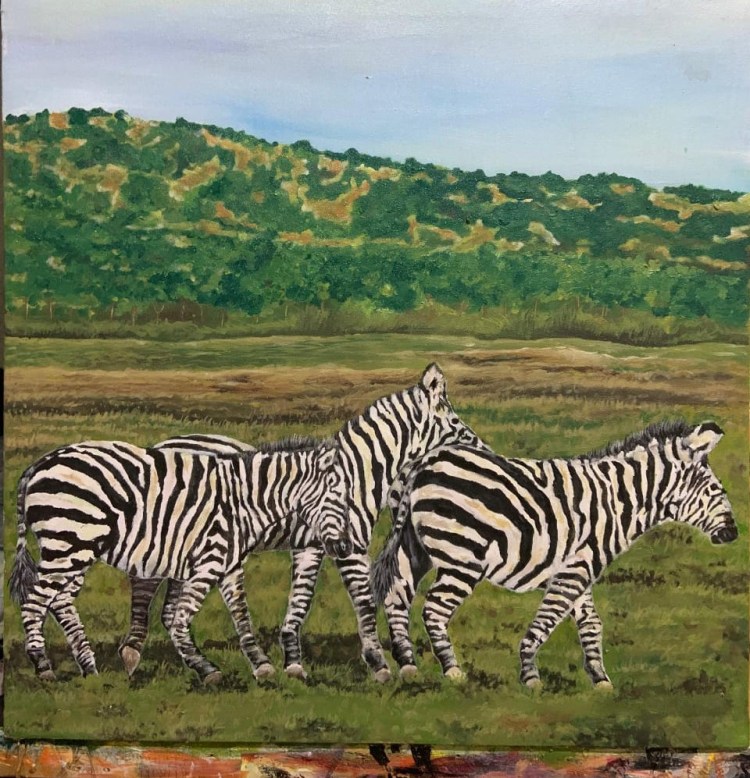
But these landscapes did more than surround him.
They educated him.
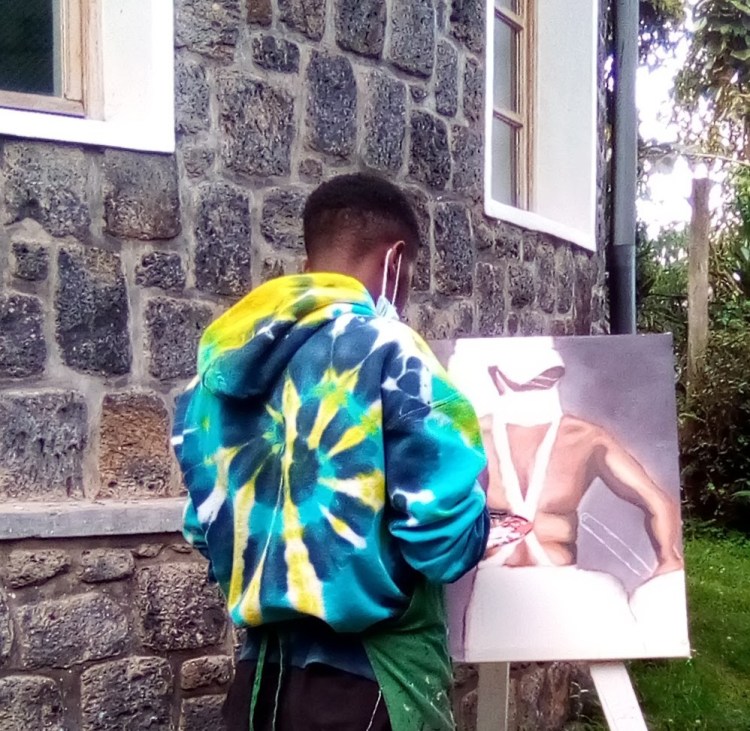
Entirely self-taught, he began drawing from childhood, driven less by ambition than by instinct. Without formal training, institutions, or inherited artistic systems, he learned through sustained observation and relentless practice.
The mountain gorillas of the Virunga forests, village markets filled with human interaction, and the emotional atmosphere of daily Rwandan life became the foundation of his artistic consciousness.
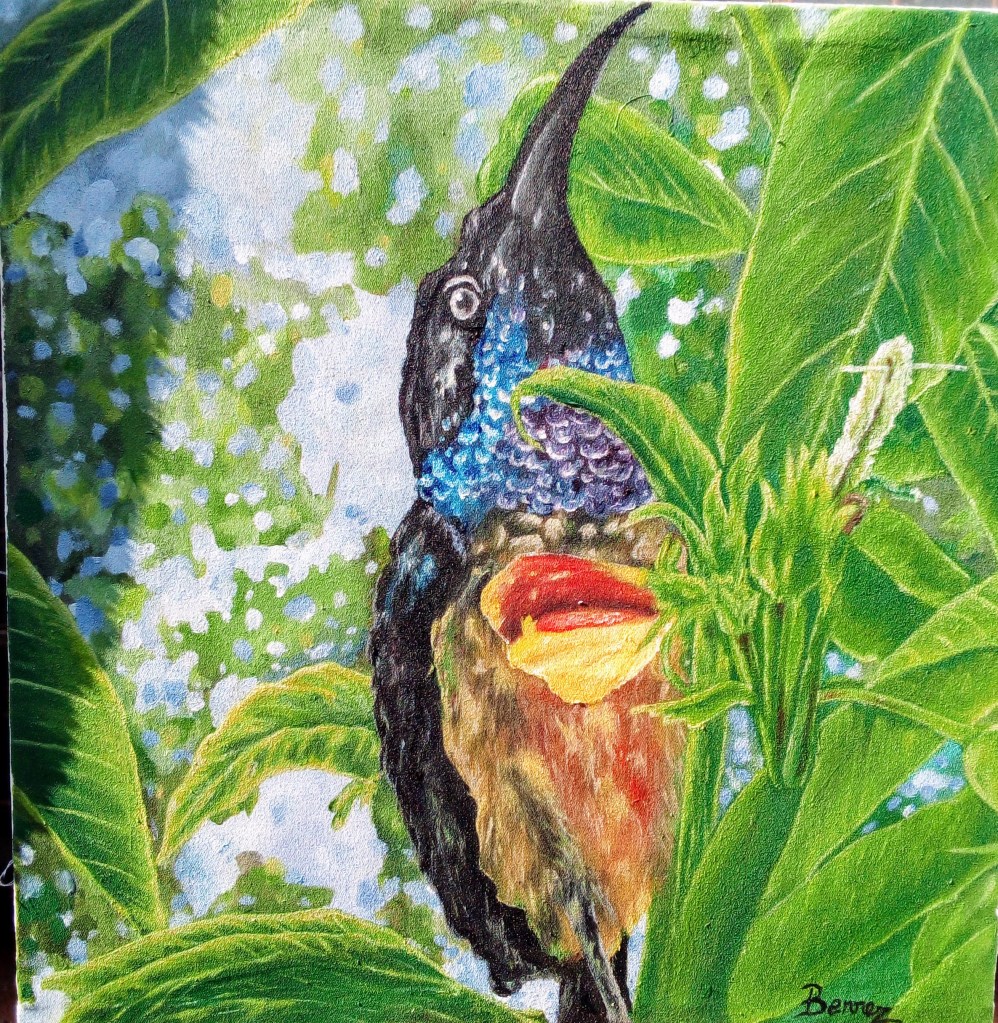
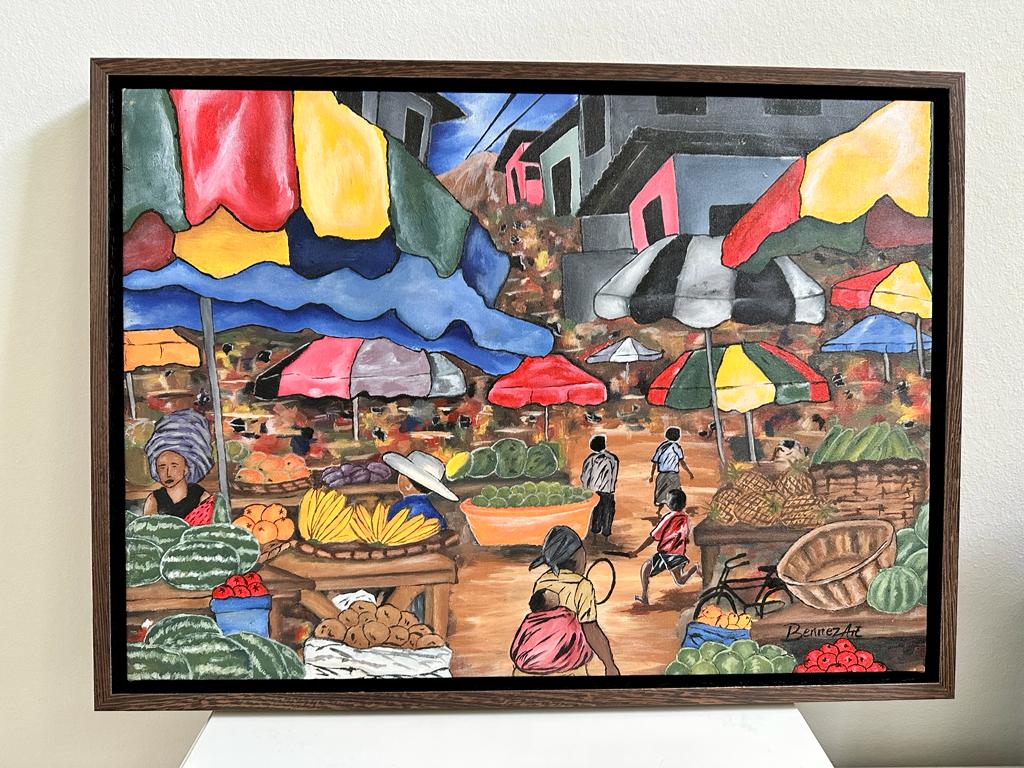
For Bennez, becoming self-taught meant being taught by everything.
The Pandemic as a Creative Turning Point
In 2020, during the global COVID-19 lockdowns, Bennez transitioned from drawing into painting.
While much of the world experienced uncertainty and isolation, he found something different within the silence: creative clarity.
The stillness became an opening.
Working from Kigali, Rwanda, he began building a body of work spanning:
- Wildlife portraiture
- Landscape painting
- Expressive realism
- Surrealist conceptualism
- Commissioned portraiture
What emerged was not simply technical growth, but a deeper philosophical direction — one centered on the relationship between humans, animals, memory, and environment.
Painting Wildlife as Conscious Presence
At the center of Bennez’s work is the mountain gorilla.
Yet his paintings are not merely representations of wildlife.

They are studies of consciousness.
Through carefully rendered eyes, expressive textures, and emotionally charged compositions, he presents gorillas not as distant creatures, but as living presences capable of reflection, tenderness, intelligence, and shared existence.
In works such as Symbol of Hope, Eternal Sight, and Innocent Witness, the viewer is confronted not with spectacle, but with encounter.
His paintings ask a deeper question:
What happens when we stop seeing wildlife as “other” and begin recognizing it as part of the same emotional and ecological family?
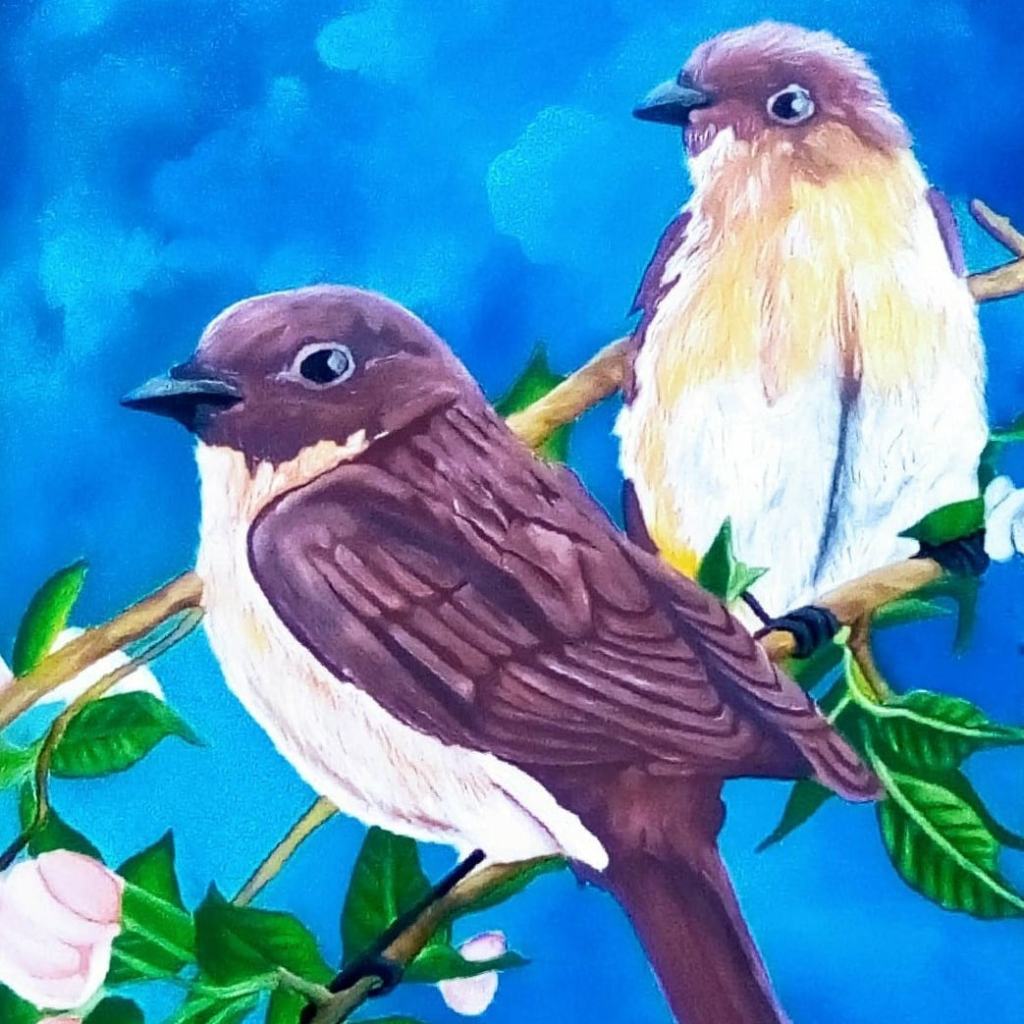
Rwanda as Sacred Landscape
In Bennez’s paintings, Rwanda is never simply scenery.
The Virunga volcanoes, forests, valleys, and rural pathways become living structures of memory, spirituality, and identity.
This philosophy appears powerfully in Two Villages, One Mountain, where the invisible parallels between human communities and mountain gorilla families are explored through shared territory, movement, and belonging.
The mountain does not separate these worlds.
It holds them both equally.

His landscapes therefore become more than environmental studies — they become meditations on coexistence.
Art as Conservation and Advocacy
A recurring force throughout Bennez’s work is wildlife conservation.
His paintings function not only as aesthetic objects, but as acts of advocacy.

Inspired by Rwanda’s annual Kwita Izina gorilla naming ceremony, Symbol of Hope reflects his belief that art can preserve emotional connection and inspire responsibility toward endangered life.
For Bennez:
“Wildlife art can become a form of conservation — a reminder that what we protect today can still exist tomorrow.”
Rather than relying on fear or tragedy, his work approaches conservation through intimacy, empathy, and emotional recognition.
Into the Philosophical Interior
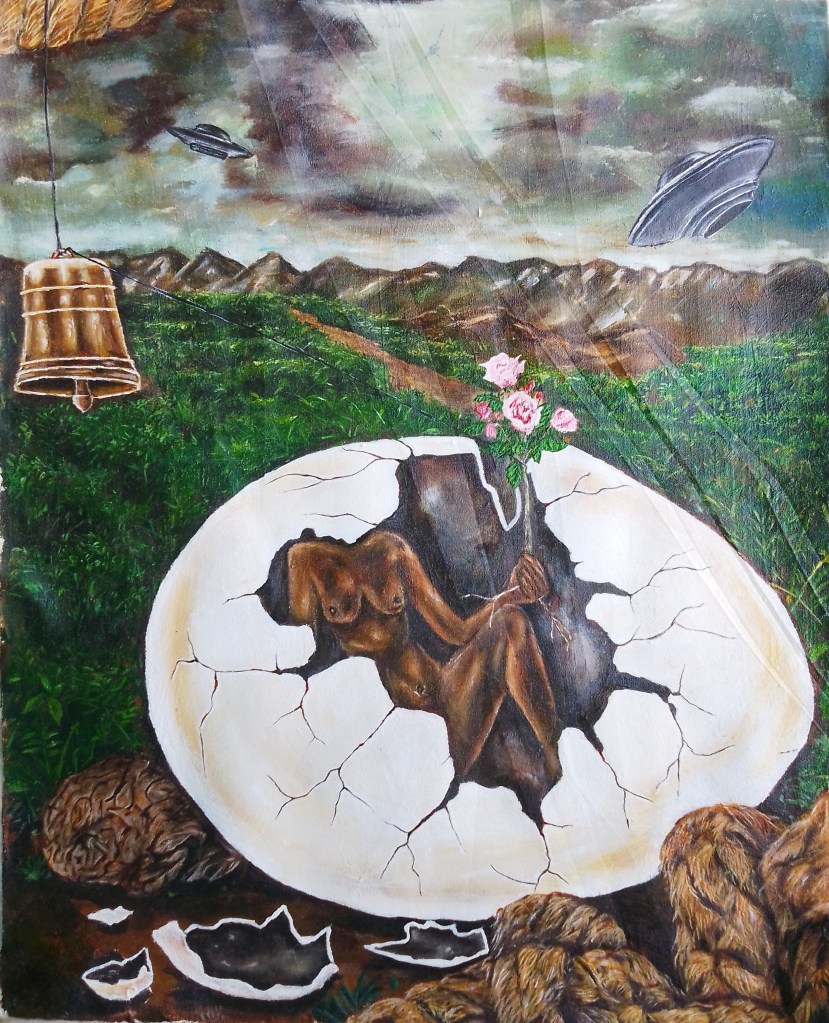
While much of his work focuses on nature and wildlife, Bennez also explores deeply conceptual and philosophical territory.
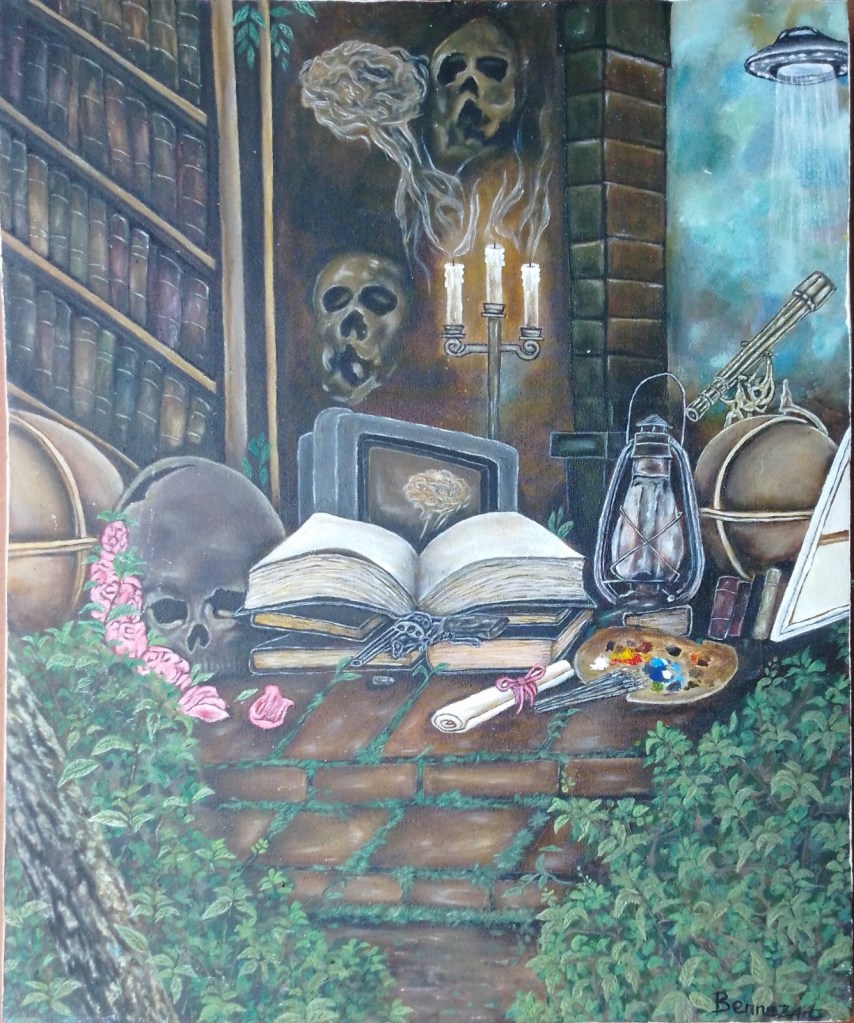
In Into the Room of a Man’s Mind, he constructs a symbolic psychological interior where books, skulls, smoke, and light become meditations on mortality, knowledge, creativity, and consciousness itself.
The painting reflects his growing engagement with surrealism and conceptual narrative — expanding his practice beyond observation into existential reflection.
Here, painting becomes not only representation, but inquiry.
Artistic Style and Influences
Bennez’s artistic language combines:
- Expressive realism
- Wildlife portraiture
- Surrealist symbolism
- Conceptual narrative
- African environmental identity
His recurring themes include:
- Human–wildlife coexistence
- Emotional realism
- Conservation
- African landscapes
- Consciousness and mortality
- Spiritual connection to nature
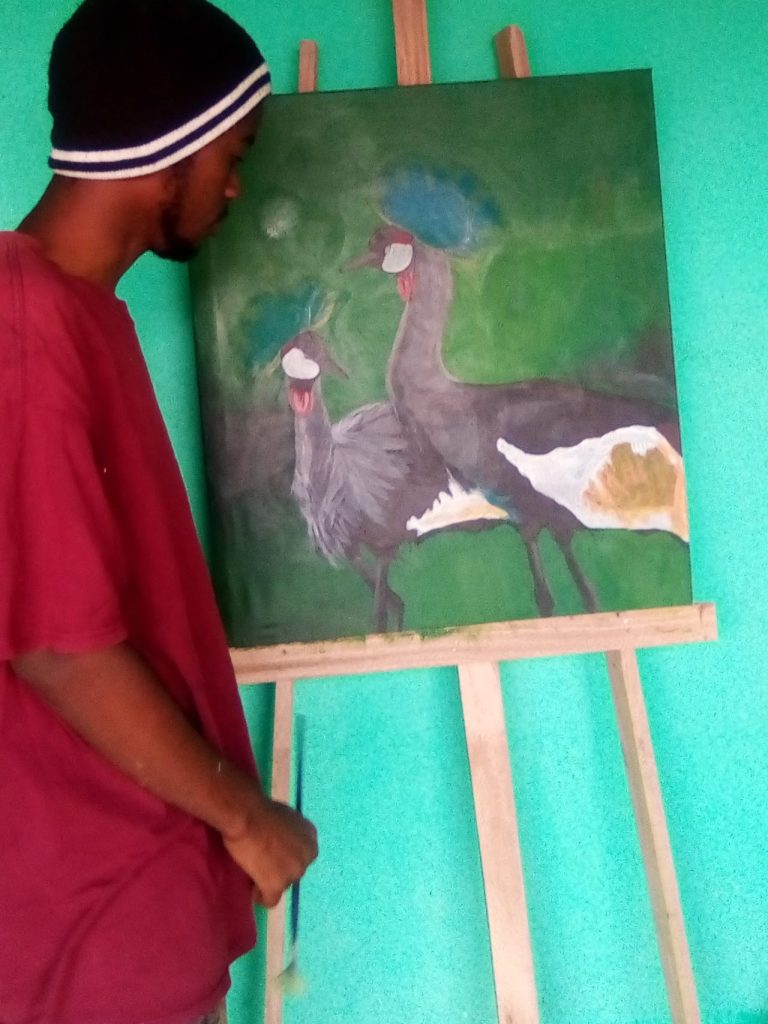
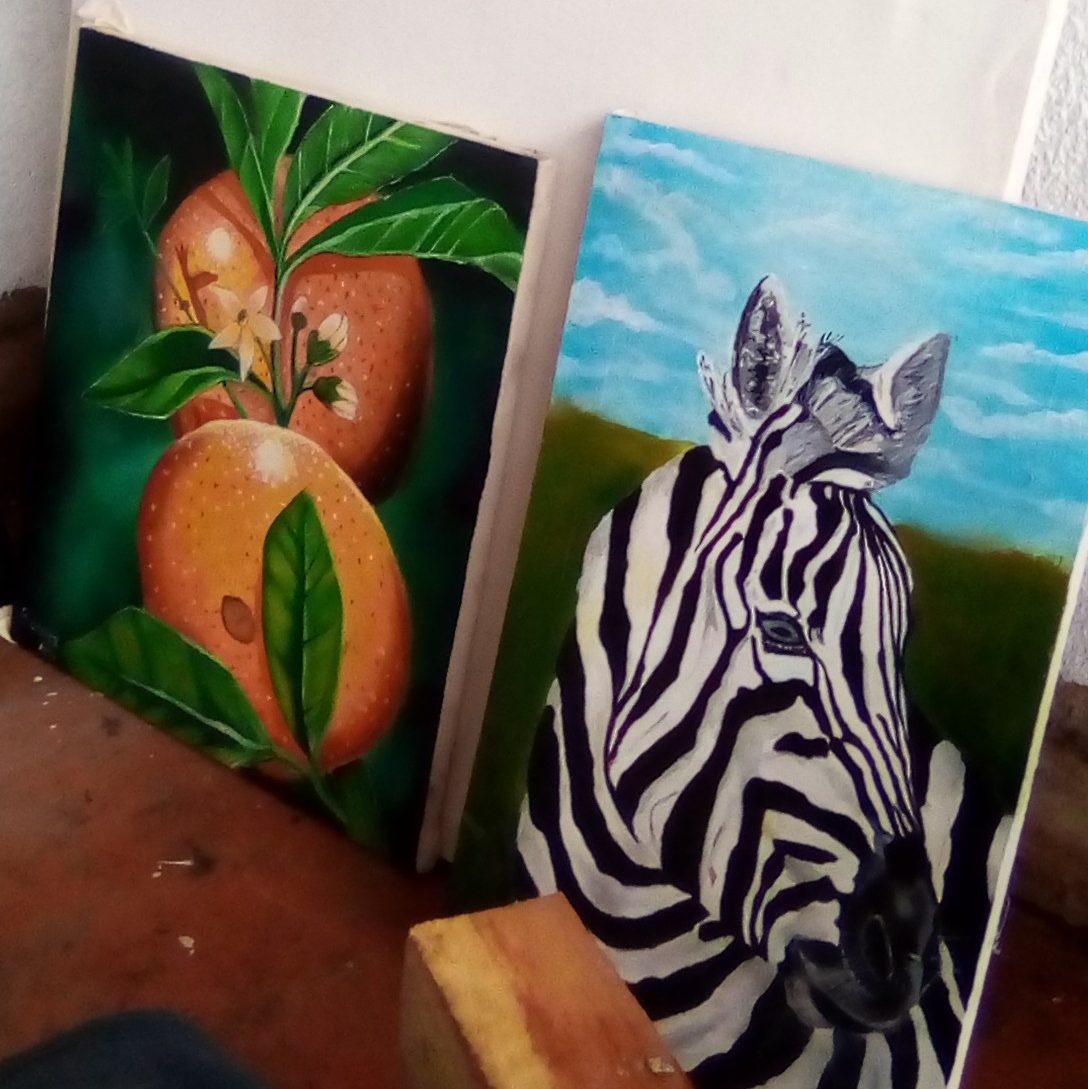
His visible textures and painterly surfaces intentionally preserve the evidence of time, process, and human presence within the work itself.
Artistic Statement
For Bennez, painting is both communication and preservation.
As he explains:
“I paint because nature speaks to me and I have been listening since childhood.”
Through brushwork, texture, and atmosphere, he seeks to preserve not only appearance, but presence — creating works that acknowledge the fragile relationship between humanity, memory, and the living world.
Every visible mark becomes proof that someone stood at a particular place, at a particular moment in time, and chose to witness what still remains.
Vision for the Future
Bennez’s artistic vision extends beyond personal expression.
His work seeks to:
- Promote wildlife conservation
- Preserve African ecological identity
- Encourage emotional connection with nature
- Expand contemporary African visual storytelling
- Explore coexistence between human and non-human life
By merging realism, philosophy, and environmental awareness, he represents a younger generation of African artists redefining how contemporary art can engage with both local identity and global conversation.
Selected Works
Symbol of Hope (2026)
Eternal Sight (2026)
Two Villages, One Mountain (2024)
Innocent Witness (2026)
The Choice of Life (2024)
Into the Room of a Man’s Mind (2024)
Connect with the Artist
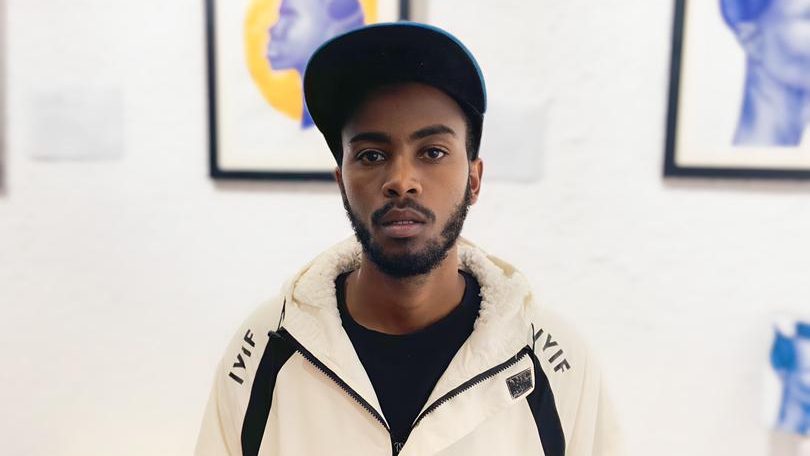
📍 Kigali, Rwanda
📧 munezerobenjamin59@gmail.com
Instagram:
- bennez.mr Instagram
- bennez.rw Instagram
LinkedIn:
- MUNEZERO Benjamin LinkedIn
Facebook:
- Bennez Facebook
Closing Reflection
In the work of MUNEZERO Benjamin, painting becomes more than image-making.
It becomes witnessing.
A way of protecting what still survives. A way of honoring landscapes that continue to shape identity. A way of reminding humanity that the distance between ourselves and the natural world may be far smaller than we imagine.
Through wildlife, memory, and emotional realism, Bennez paints not only Rwanda’s landscapes — but the fragile future shared within them.
Worldwide Art Advocacy
supporting artists and creative voices around the world.
 Worldwide Art Advocacy