
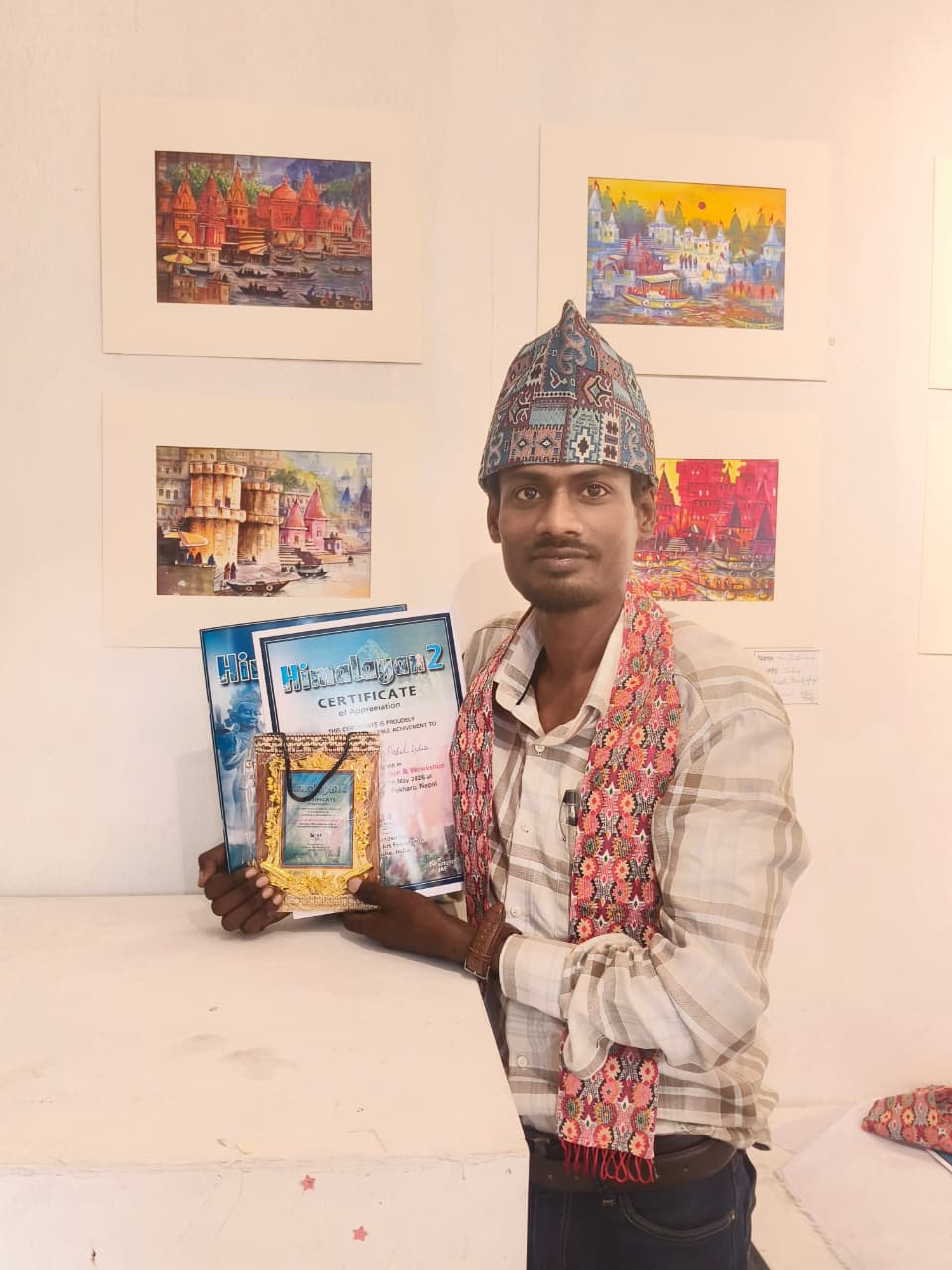
A Life Transformed Through Art and Determination
Before he ever held a brush with confidence, he held survival in his hands — and from that struggle, a painter was born.

— Published by Worldwide Art Advocacy
There are artists who choose art.
And there are artists whose lives slowly force them toward it.
For Indian painter Satish Kumar Patel, art was never part of an easy or predictable path. It emerged quietly—from hardship, survival, sacrifice, and the need to transform pain into something meaningful.
Born in September 1997 in a small village near Kashi (Varanasi), Satish grew up in conditions shaped by poverty and uncertainty. His family of five struggled financially, and many childhood memories were defined not by comfort, but by endurance.
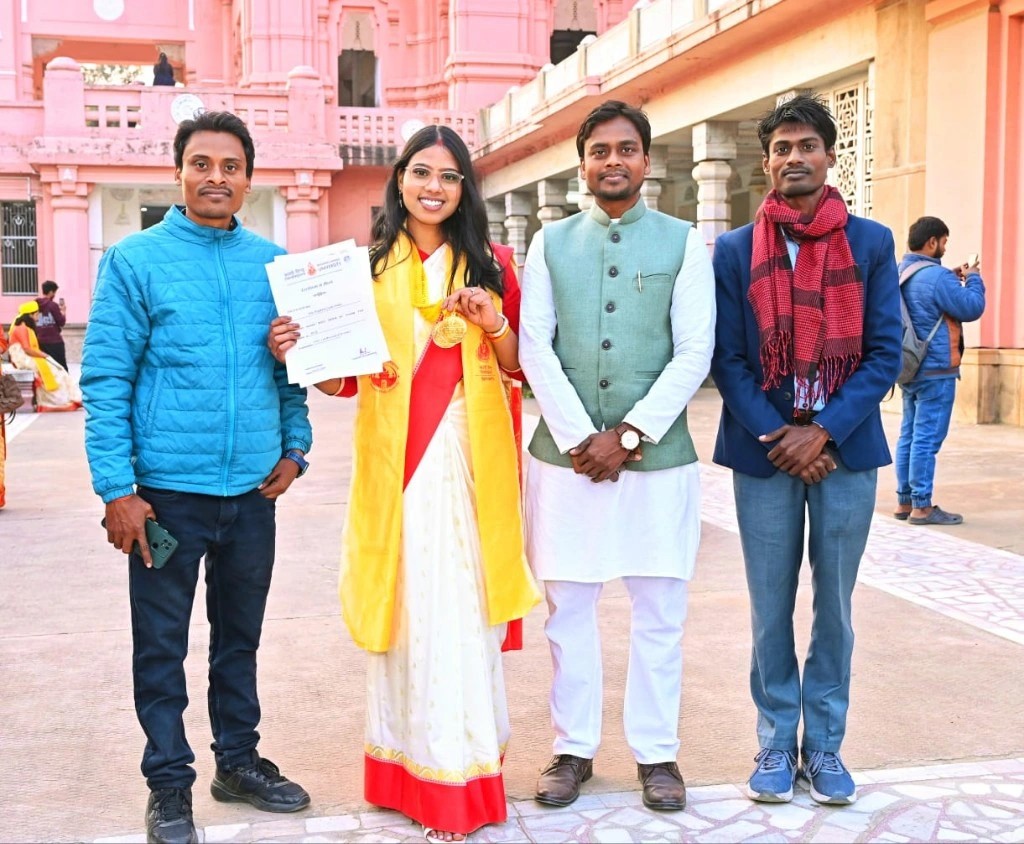
During rainy seasons, plastic sheets became protection from leaking roofs.
During winter, sacks replaced blankets.
His father worked as a laborer, doing whatever work he could find to support the family and ensure Satish could continue his education at least through secondary school.
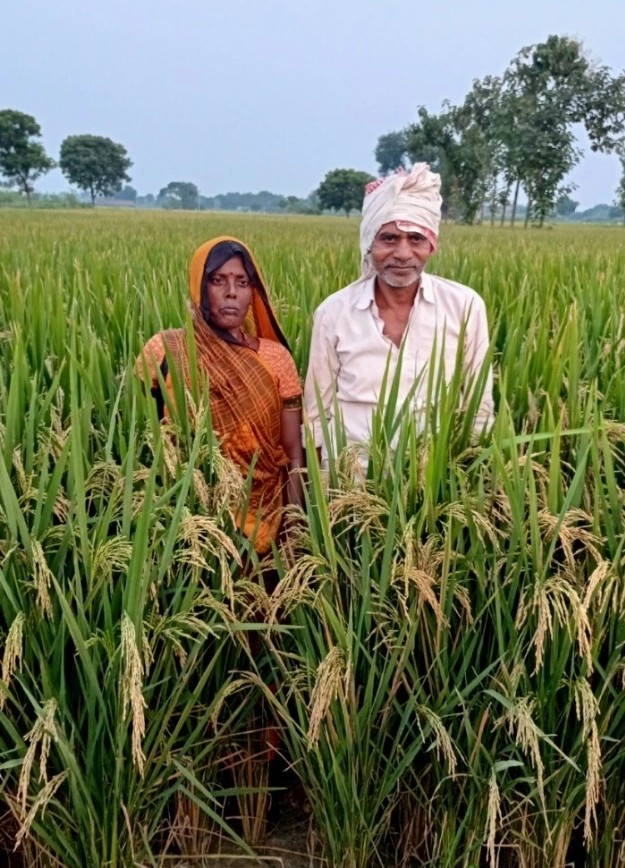
Like many young boys growing up in difficult circumstances, Satish once dreamed of becoming an engineer. But dreams often change shape when survival becomes more urgent than ambition.
Looking at the realities inside his home, he made a painful decision: to leave behind the dream of engineering and pursue something entirely different.
Art.

Not because it seemed practical. Not because it promised success. But because something inside him continued pulling him toward it. At that time, art was still unfamiliar territory.

As a child, Satish would casually draw lines on the ground, on walls, or on used metal plates using his fingers or small pieces of wood. There were no formal materials, no studio environment, and no artistic roadmap. In fact, he did not even see a proper art materials shop until 2015.
Yet what began as simple curiosity slowly transformed into obsession.
And eventually, into discipline.
That discipline carried him into Banaras Hindu University (BHU), where he pursued both undergraduate and postgraduate studies in painting. Through relentless hard work and academic excellence, he later received the prestigious BHU Gold Medal for achieving the highest marks in his class. But beyond awards and recognition, Satish’s work remained deeply tied to the emotional realities he had witnessed growing up.
His paintings often focus on:
- nature,
- abandoned streets,
- elderly people,
- struggling communities,
- hungry animals,
- and fragile environments shaped by human neglect.

In many ways, his paintings are quiet documents of survival.
As Satish explains:
“Every line in my paintings embraces someone’s silent pain.”
That emotional connection to suffering later expanded into larger environmental and social themes.

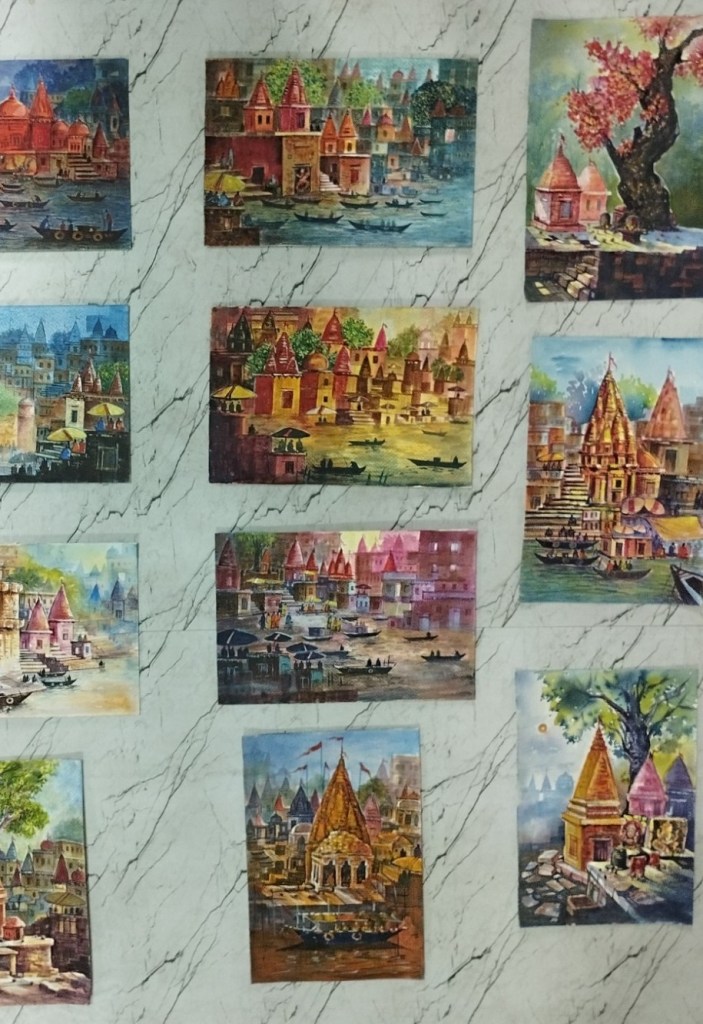
While pursuing his Ph.D. at BHU, Satish chose Banaras Ghats as his research subject and created one of the world’s largest Banaras Ghat paintings for a world record attempt—capturing 45 ghats along the Ganga River within a single monumental composition. The work became more than landscape painting.
It became an archive of memory, spirituality, movement, and cultural identity.
Earlier in his artistic journey, during his undergraduate years, Satish created a painting titled Jashn-e-Azadi (“Celebration of Freedom”), a work filled with the emotional colors of independence and social reflection.
The painting earned him First Prize from the State Lalit Kala Academy of Uttar Pradesh and helped establish him as a rising young artist.

He was also selected three separate times for the National Youth Festival, receiving further awards and recognition for his contributions. Yet despite these achievements, his story remained grounded in struggle.

Behind the exhibitions, medals, and public recognition was still a young man trying to create a future from extremely limited beginnings.

Satish continued pushing boundaries through experimentation, eventually creating a total of nine paintings exploring extreme scales—from some of the smallest to some of the largest formats. At the same time, he expanded into digital portraiture, creating works featuring notable figures such as:
- Sachin Tendulkar,
- Lata Mangeshkar,
- Dr. Manmohan Singh,
- Asha Bhosle,
- Narendra Modi,
- and Madan Mohan Malaviya.

He also contributed coin design concepts for institutions including:
- BHU,
- IIT BHU,
- and the Ram Mandir project.
Today, Satish Kumar Patel has participated in more than 15 national and international exhibitions, while receiving recognitions from institutions including:
- National Kala Manch,
- Himalayan-2 Nepal,
- Amar Ujala,
- Dainik Jagran,
- Sanskar Bharati,
- State Lalit Kala Academy,
- and the National Youth Festival.
His paintings are now part of collections held by:
- Bharat Kala Bhavan, Varanasi,
- BHU faculties,
- SPJM Rajasthan,
- and private collectors across India.
But perhaps one of the most important parts of his journey happens quietly outside public attention.

Alongside his studies and artistic practice, Satish uses income from his paintings to help support the education of underprivileged children.
Because for him, art is not only about recognition.
It is also about responsibility.
His journey reflects something larger than individual success: the possibility of transforming hardship into expression, pain into purpose, and silence into visual language.
Satish Kumar Patel’s story is not simply about becoming an artist.
It is about surviving long enough to become one.
Explore more artist stories, cultural narratives, and contemporary voices from around the world through Worldwide Art Advocacy.
Worldwide Art Advocacy
Supporting artists and creative voices around the world.
 Worldwide Art Advocacy