
The Building Blocks of Creativity
Art is more than colors on a canvas or lines on paper — it’s a language. Like every language, art has its alphabet, and these are called the Elements of Art. They are the fundamental tools that artists use to create visual harmony, express emotion, and communicate meaning. Whether you’re a painter, sculptor, photographer, or designer, understanding these elements will deepen your creative vision and refine how you see the world around you.
🌟 The Seven Elements of Art
1. Line
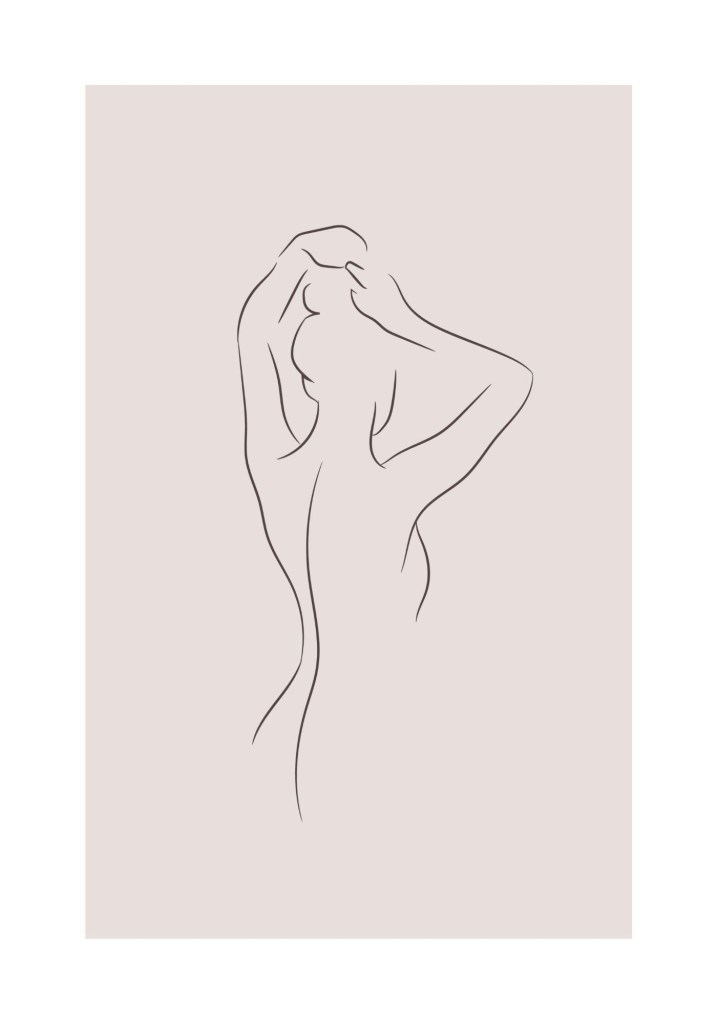
A line is the simplest and most direct element of art — a mark that connects two points. Lines can express movement, direction, and energy. They may be straight, curved, broken, or implied. Artists use lines to define shapes, create textures, and guide the viewer’s eye through a composition.
Try this: Create a drawing using only lines to show different emotions — calm, tension, joy, or chaos.
2. Shape
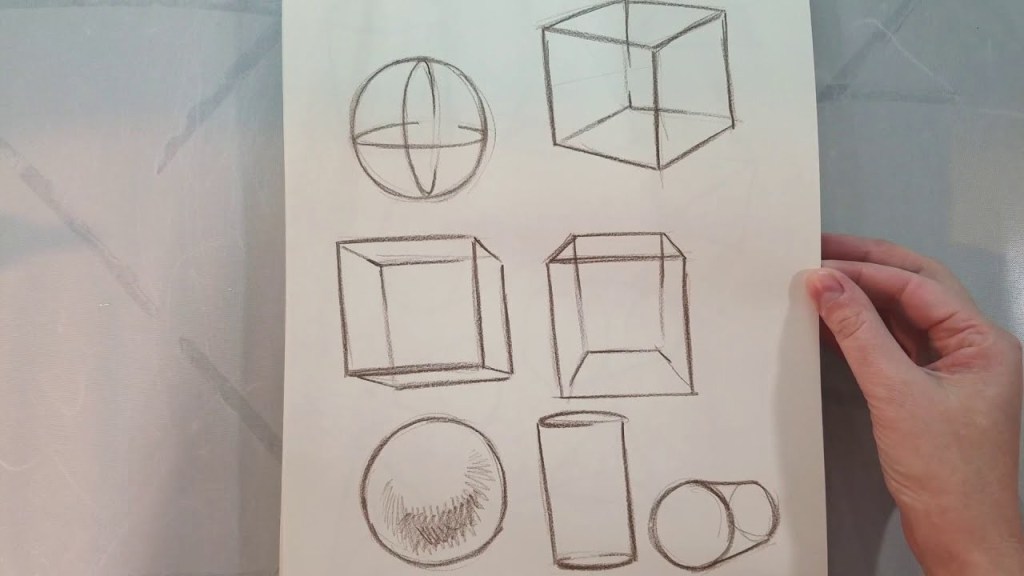
Shapes are flat, enclosed areas created by lines or contrasts in color and value. They can be geometric (squares, circles, triangles) or organic (free-form, natural shapes). Shapes form the foundation of all visual design and are crucial in balancing a composition.
Practice tip: Cut out different shapes from colored paper and arrange them into a collage that tells a story.
3. Form
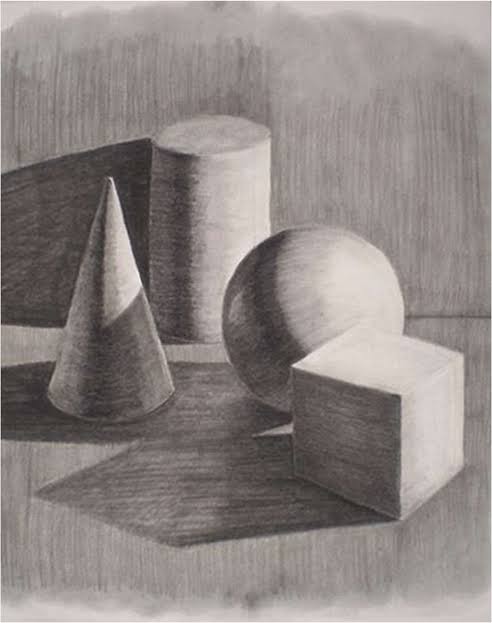
When a shape gains depth, it becomes a form. Forms are three-dimensional — they have height, width, and depth. In drawing or painting, artists create the illusion of form using light, shadow, and perspective. Sculptors, on the other hand, work with real form in space.
Explore: Practice turning a flat circle into a sphere by shading it from dark to light.
4. Color
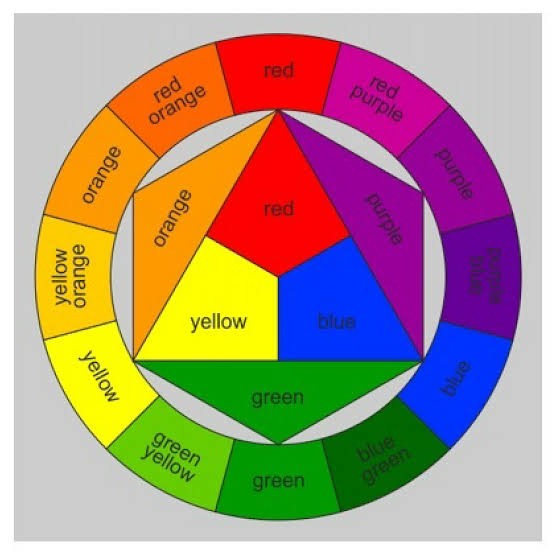
Color brings life and emotion to art. It’s created when light reflects off an object and reaches our eyes. Understanding the color wheel — primary, secondary, and tertiary colors — is key. Artists also study color theory to explore relationships such as complementary, analogous, or monochromatic schemes.
Fun experiment: Mix primary colors (red, blue, yellow) to see how many new hues you can create.
5. Value
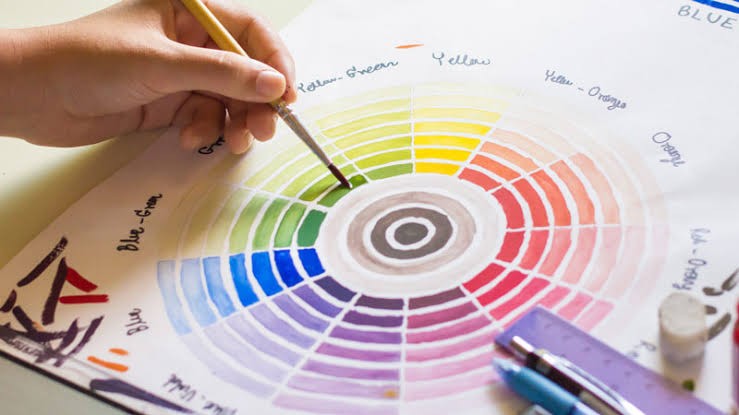
Value refers to the lightness or darkness of a color. It’s what helps create contrast and depth in art. A strong sense of value makes a work more visually engaging and realistic.
Tip: Try drawing a grayscale chart from white to black and use it to shade an object.
6. Texture
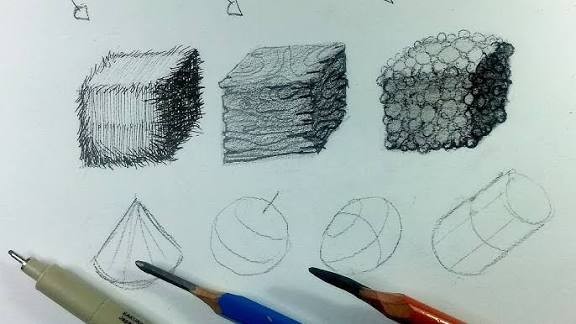
Texture describes how something feels or appears to feel. It can be actual (you can touch it) or implied (it looks textured but feels smooth). Artists use texture to add richness and realism or to convey emotion through surface quality.
Exercise: Collect natural materials like leaves, bark, or fabric and create a textured artwork.
7. Space
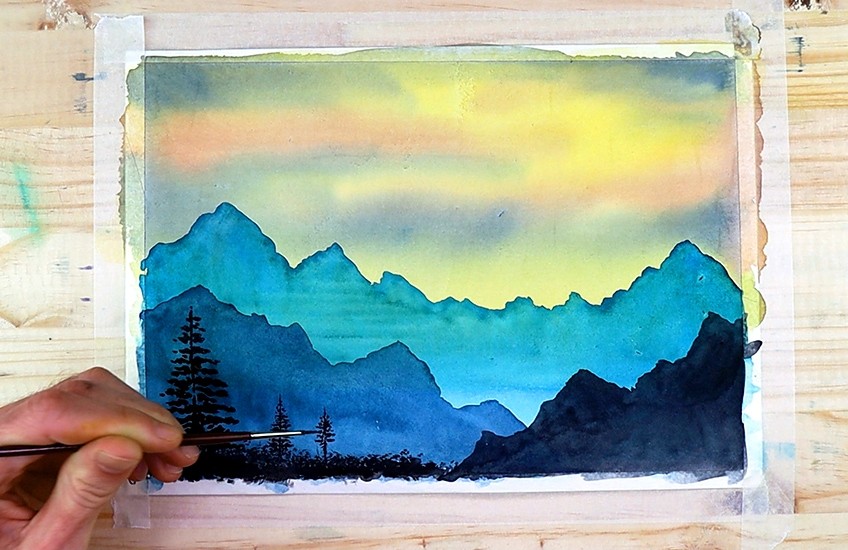
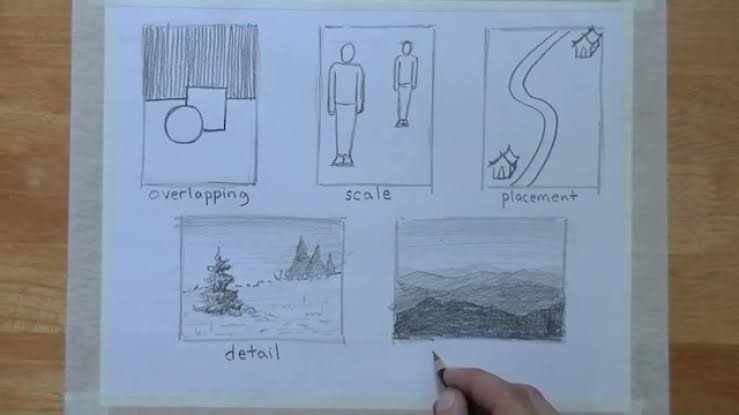
Space is the area around, between, and within objects. It can be positive space (the subject itself) or negative space (the background or empty areas). Understanding space helps artists create a sense of depth and focus.
Try this: Draw two overlapping objects and shade them to show which is closer to the viewer.
🧠 Why the Elements Matter
Each element on its own is powerful, but when combined, they form the foundation of visual storytelling. Great art isn’t just about talent — it’s about understanding how these elements work together to guide emotion, rhythm, and balance.
By mastering the elements of art, you develop not just technical skill but also the ability to see like an artist — to notice the play of light, the rhythm of lines, and the harmony of shapes in the world around you.
✍️ Explore More and Keep Learning
Continue your journey in art education by exploring other tutorials and creative resources on Worldwide Art Advocacy:
 Worldwide Art Advocacy