
Below is a concise, readable guide to ten painters whose names cross borders and generations. Each entry includes a short biography, a simple description of their style and themes, and a link where you can learn more about their life and work.
1. Leonardo da Vinci
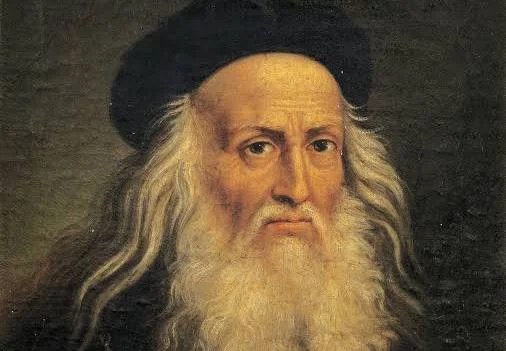
Biography: Born in 1452 in Vinci, Italy, Leonardo was a painter, inventor, scientist and draftsman. He mixed art and curiosity to make works that still feel alive.
Style & Theme: Renaissance realism fused with careful study of nature and human anatomy. His paintings emphasize soft light, subtle smiles, and deep observation of form.
2. Vincent van Gogh
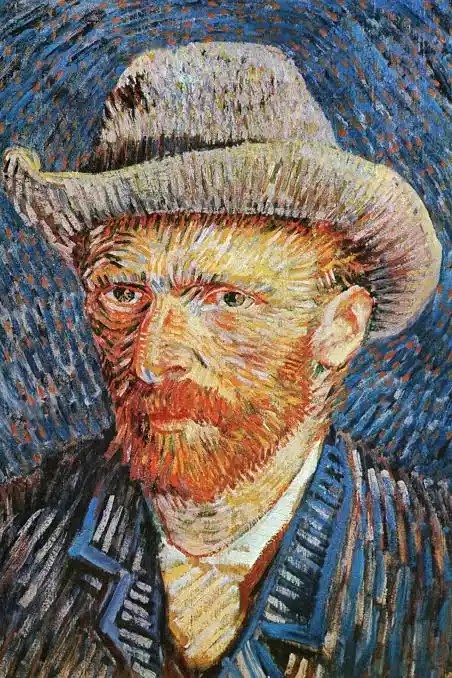
Biography: Vincent van Gogh (1853–1890) was Dutch and created bold, emotional works during a short but intense career. He painted while moving through the Netherlands, Belgium and France.
Style & Theme: Thick brushwork, bright color, and energetic lines. His art often explores emotion, memory, and the feel of everyday life: sunflowers, fields, and starry nights.
3. Pablo Picasso
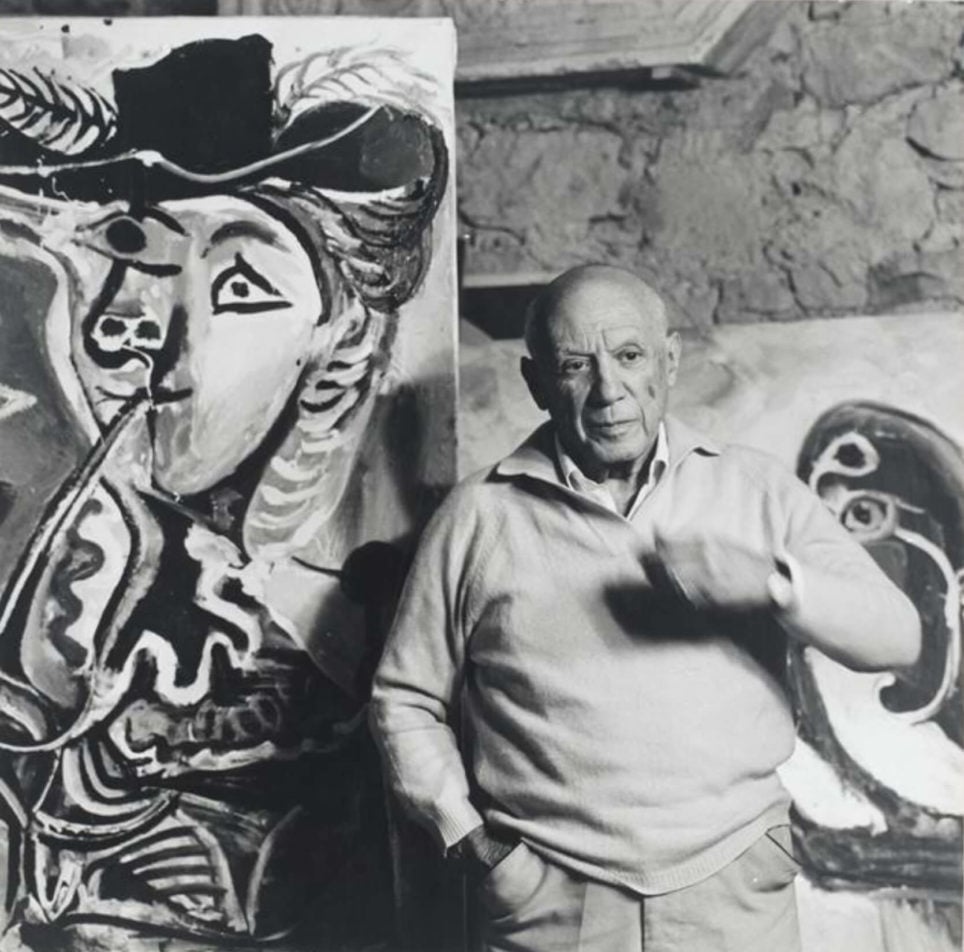
Biography: Picasso (1881–1973) was born in Spain and spent much of his life in France. He kept changing his approach and helped invent new ways of seeing in modern art.
Style & Theme: From blue and rose periods to Cubism and beyond. His work breaks figures into geometric parts and questions how we look at people and objects.
4. Claude Monet
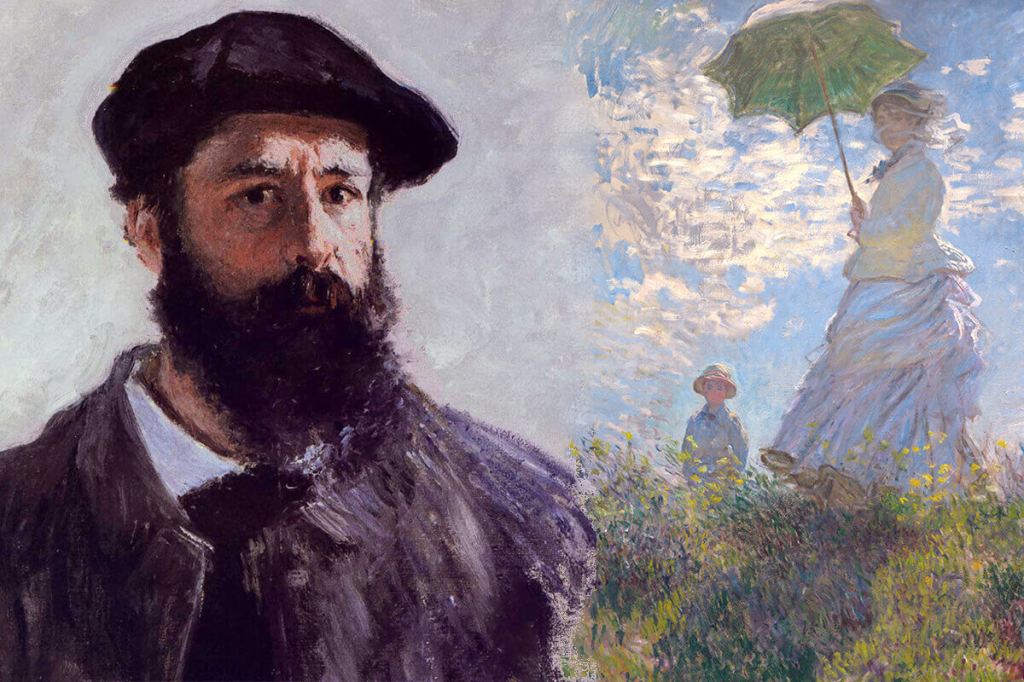
Biography: Claude Monet (1840–1926) was a French painter whose gardens at Giverny became both studio and model for many famous works.
Style & Theme: Impressionism: quick strokes, attention to light and atmosphere, and a love of changing weather, water, and gardens.
5. Rembrandt van Rijn
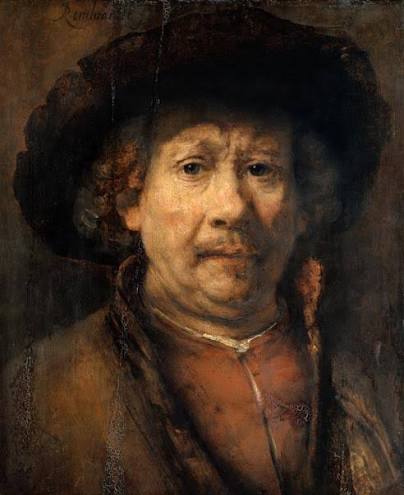
Biography: Rembrandt (1606–1669) was a Dutch master known for powerful portraits and dramatic biblical scenes. He worked mainly in Amsterdam.
Style & Theme: Deep, rich use of light and shadow (chiaroscuro). His paintings show human emotion and deep psychological insight.
6. Frida Kahlo
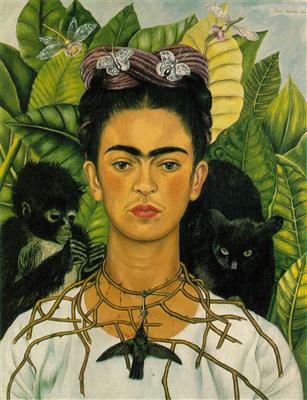
Biography: Frida Kahlo (1907–1954) was a Mexican artist known for personal, often painful self-portraits. She lived and worked in the famous “Blue House” in Coyoacán, Mexico City.
Style & Theme: Vivid, direct self-portraits that mix personal pain, Mexican culture, and surreal or symbolic imagery.
7. Jackson Pollock
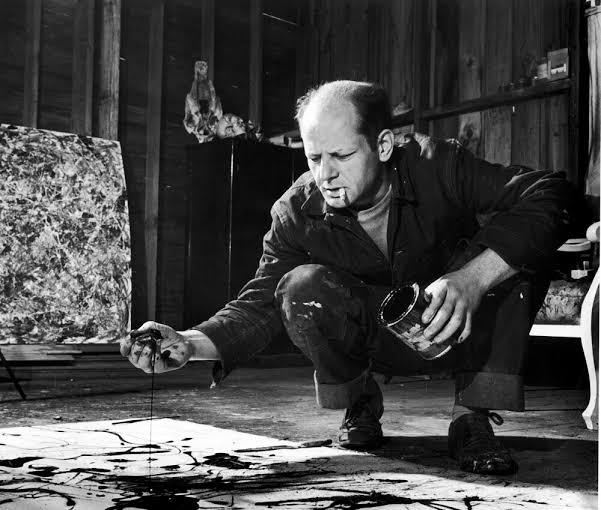
Biography: Jackson Pollock (1912–1956) was an American painter linked to Abstract Expressionism. He became famous for action painting and large canvases made in energetic gestures.
Style & Theme: Drip painting, poured paint, and all-over composition. His work focuses on movement, process, and raw emotion rather than clear subjects.
8. Georgia O’Keeffe
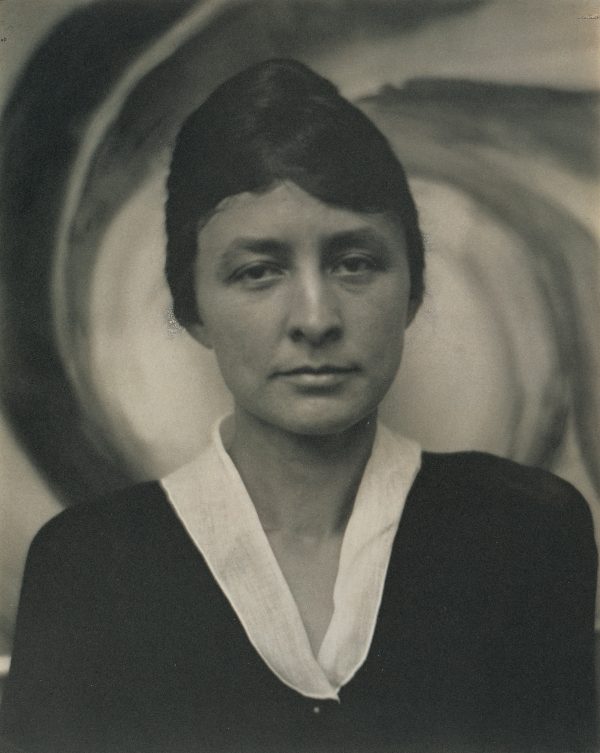
Biography: Georgia O’Keeffe (1887–1986) is an American modernist known for close-up flowers, New Mexico landscapes, and clean, simplified forms.
Style & Theme: Large-scale, simplified shapes and a quiet, clear palette. She explored the forms of flowers, bones, and desert vistas with calm power.
9. Michelangelo Buonarroti
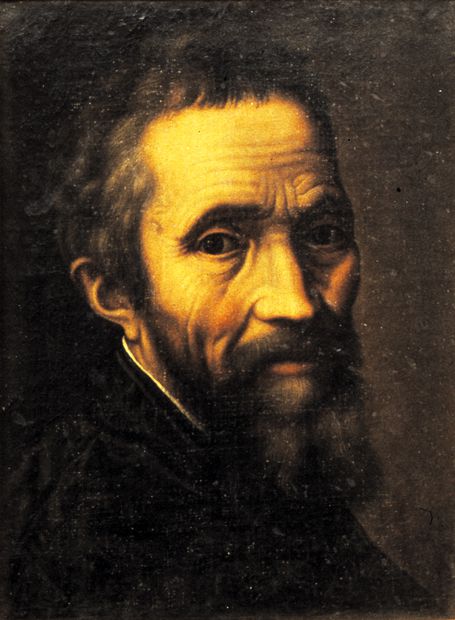
Biography: Michelangelo (1475–1564) was an Italian sculptor, painter and architect. He painted the Sistine Chapel ceiling and left a giant mark on the Renaissance.
Style & Theme: Monumental figures, muscular forms, and dramatic poses. His images combine deep human feeling with idealized anatomy.
10. Gustav Klimt
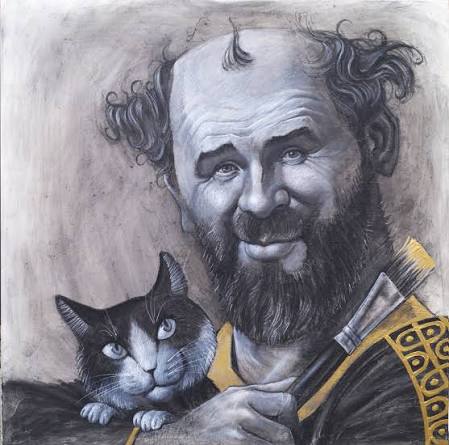
Biography: Gustav Klimt (1862–1918) was an Austrian painter known for gilded surfaces and decorative patterns, a leader in Vienna’s Secession movement.
Style & Theme: Rich ornament, symbolic figures, and use of gold leaf. His work balances sensual portraiture with symbolic, mythic themes.
These ten artists represent different eras and ideas. Some reshaped how we see form and light. Others changed what a painting can feel like.
Learn more:


 Worldwide Art Advocacy