
Mastering Hyperrealism in Pencil Drawing
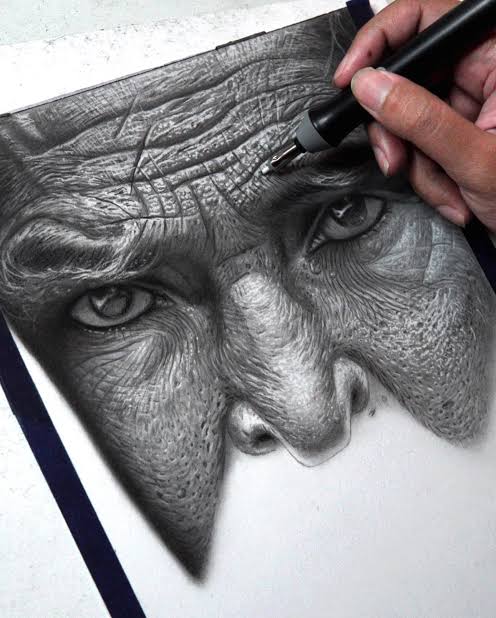
Hyperrealism isn’t just about drawing what you see—it’s about creating an image so lifelike that it feels like a photograph. This advanced pencil drawing technique demands patience, precision, and a deep understanding of textures, light, and detail. Whether you’re a seasoned artist looking to elevate your realism or aiming to enter the world of high-level portraiture and still life, this guide offers the techniques and mindset required to master hyperrealism.
What Is Hyperrealism?
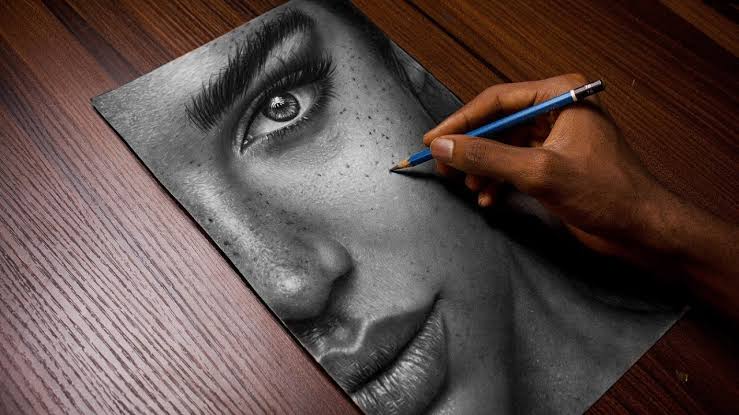
Hyperrealism is a genre of art where the final piece appears more precise than a photograph. It emphasizes the tiniest details—skin pores, reflections, hair strands, and subtle tonal shifts—to evoke emotion and realism that surpasses typical realism drawing.
Essential Tools for Hyperrealistic Drawing
- Graphite pencils (full range from 9H to 9B)
- Mechanical pencils (0.3mm and 0.5mm)
- Kneaded eraser and precision erasers
- Blending stumps and brushes
- Bristol board or smooth, high-quality drawing paper
- Reference photo with high resolution
Techniques to Take Your Drawing to the Next Level
1. Use a Grid Method or Tracing Light Box
Accuracy is key in hyperrealism. Use a grid system or a light box to map out precise proportions before you begin shading.
2. Layer Your Tones
Start light and build gradually. Hyperrealism isn’t rushed. Apply graphite in multiple layers to create subtle transitions and realistic textures.
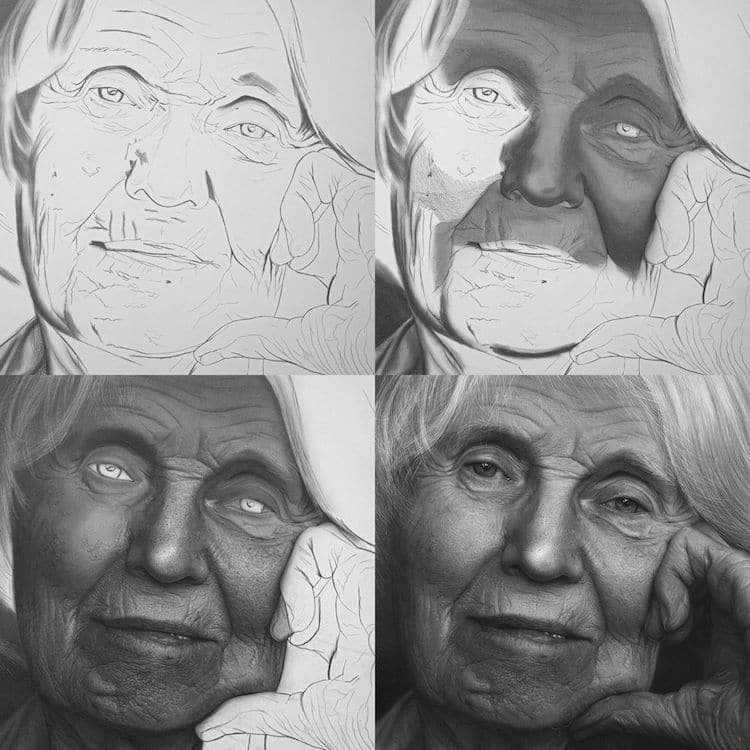
3. Work in Sections
Focus on one small area at a time—like an eye or a hand—so you can fully immerse yourself in the details.
4. Master Texture Rendering
From skin to fabric, learn how to mimic texture by observing how light interacts with surfaces. Use erasers to lift highlights and controlled pencil strokes for tiny shadows.
5. Use References—But Don’t Copy Blindly
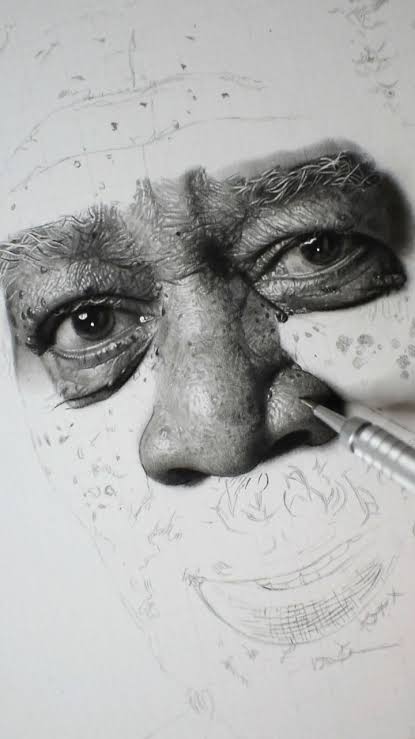
Study your reference image like a scientist. Notice every wrinkle, reflection, and shade. But also inject intention—decide what to emphasize or soften for a more powerful image.
Practice Challenge
Choose a close-up reference photo of a human eye. Focus on drawing the iris, reflections, skin texture, and fine eyelashes. Aim for 100% accuracy in shape and tone. This exercise alone can transform your approach to detail.
Mindset Tips for Hyperrealist Artists
- Patience pays off: Hyperrealism takes time—sometimes 20–100 hours per piece.
- Take breaks: Give your eyes rest to avoid overworking an area.
- Zoom in: Use a magnifying glass or zoom tool to analyze your reference photo.
- Document progress: Take pictures throughout your process to track growth and stay motivated.
Ready to Showcase Your Hyperrealistic Work?
Share your graphite masterpieces with a global audience. Visit the Global Art Forms page to be featured among leading pencil artists.
Submit your portfolio through our Portfolio Submission Form and let your realism speak volumes.
Explore more skill-boosting materials on our Art Books page—handpicked to support your creative journey.
 Worldwide Art Advocacy