
Color is more than just a visual element in art—it’s a powerful tool that influences mood, directs attention, and conveys meaning. Understanding color theory allows artists to create compelling compositions that evoke specific emotions and responses.
1. The Color Wheel: A Painter’s Guide
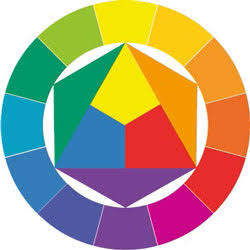
The color wheel is the foundation of color theory, categorizing colors into:
• Primary Colors: Red, blue, and yellow—colors that cannot be created by mixing others.
• Secondary Colors: Green, orange, and purple—formed by mixing two primary colors.
• Tertiary Colors: Blends of primary and secondary colors (e.g., red-orange, blue-green).
2. Color Harmonies: Creating Balance in Art
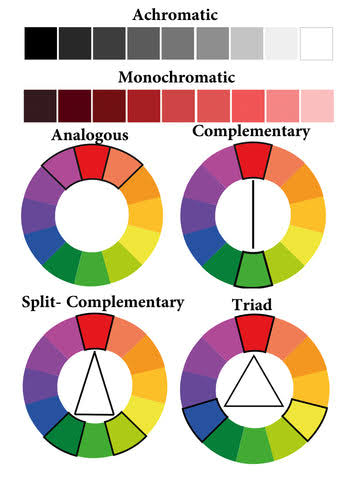
Artists use color harmonies to create visual appeal and emotional impact:
• Complementary Colors: Opposite on the color wheel (e.g., blue & orange), creating strong contrast and vibrancy.
• Analogous Colors: Next to each other (e.g., red, orange, yellow), offering a cohesive and soothing effect.
• Triadic Colors: Three evenly spaced colors (e.g., red, blue, yellow), ensuring dynamic balance.
• Monochromatic Colors: Variations of a single color, producing a unified, elegant look.
3. Warm vs. Cool Colors: The Psychology of Temperature
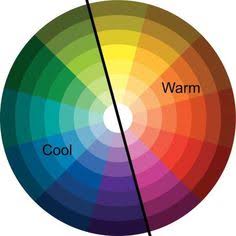
• Warm Colors (Red, Orange, Yellow): Evoke energy, passion, and warmth. Used to grab attention and create intensity.
• Cool Colors (Blue, Green, Purple): Convey calmness, tranquility, and depth. Often used in serene landscapes or emotional introspection.
4. The Emotional Power of Colors
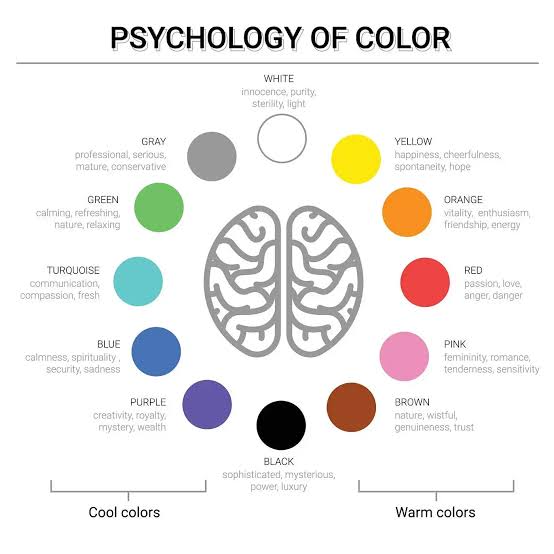
Different colors trigger specific emotional responses:
• Red: Passion, love, danger, urgency. (Used by artists like Mark Rothko for emotional depth.)
• Blue: Stability, peace, melancholy. (Seen in Picasso’s Blue Period.)
• Yellow: Joy, optimism, energy. (Used in Van Gogh’s Sunflowers.)
• Green: Growth, harmony, nature. (Prominent in landscape paintings.)
• Purple: Royalty, mystery, creativity. (Associated with surrealist works.)
• Black & White: Drama, simplicity, elegance. (Used in minimalism and photography.)
5. Color Symbolism in Different Cultures
• In Western Art: White symbolizes purity, while black represents mourning.
• In Chinese Art: Red signifies luck and prosperity.
• In African Art: Gold represents wealth and high status.
• In Hindu Art: Blue is linked to divinity (Krishna).

6. Color in Different Art Movements
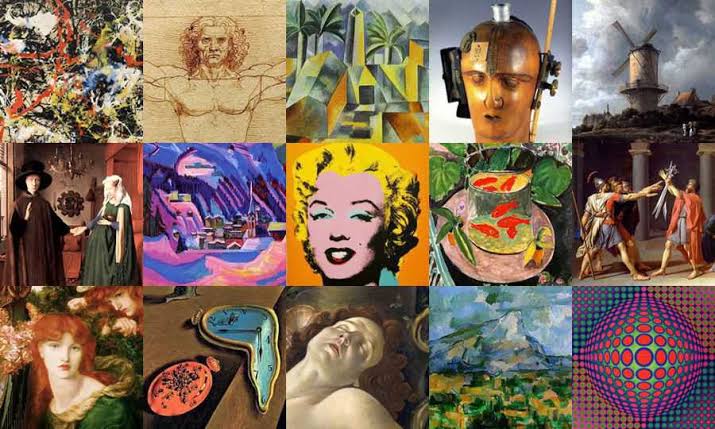
• Impressionism: Used bright, vibrant colors to capture light (e.g., Monet’s Water Lilies).
• Expressionism: Emphasized emotional color contrasts (e.g., Munch’s The Scream).
• Minimalism: Reduced color palettes for simplicity and impact (e.g., Rothko’s color field paintings).
7. Applying Color Theory in Your Art
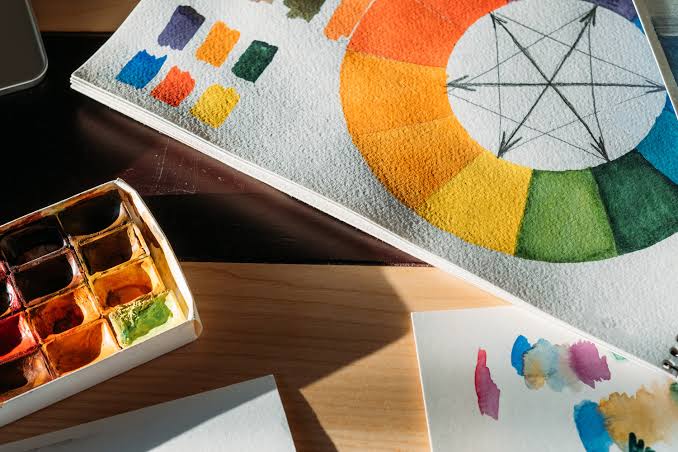
Experiment with color combinations to create specific moods.
Use color contrasts to highlight focal points.
Consider cultural meanings when choosing colors for storytelling in art.
Discover More Art Techniques
Explore a world of artistic styles and expressions in our Global Art Forms directory.
Are You an Artist? Showcase Your Work!
Join our network of global artists and feature your portfolio on Worldwide Art Advocacy. Submit your work here.
 Worldwide Art Advocacy