
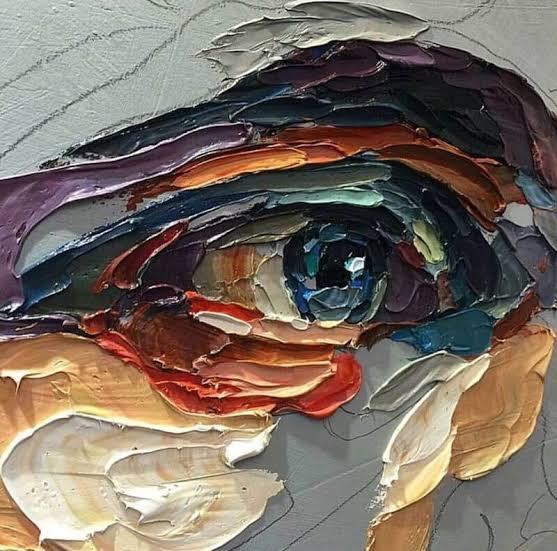
Painting is one of the oldest and most expressive art forms, allowing artists to translate emotions, ideas, and observations onto a surface. Whether you’re a beginner or a seasoned painter, mastering key techniques can elevate your work and expand your creative possibilities.
1. Blending for Seamless Transitions
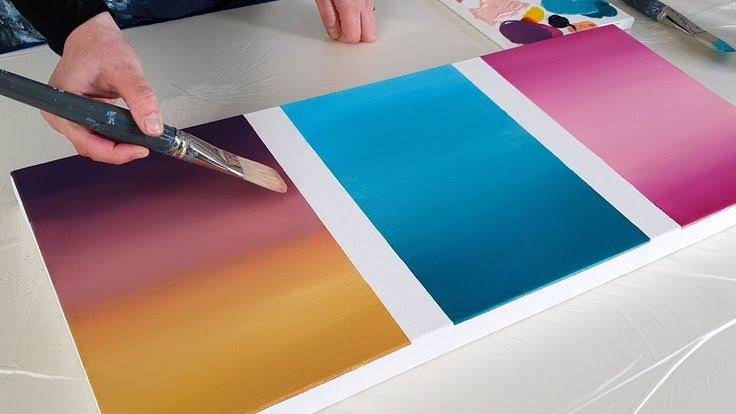
Blending allows colors to transition smoothly, creating depth and realism. Techniques include:
• Wet-on-Wet Blending: Applying wet paint onto a wet surface for soft transitions (common in oil and watercolor painting).
• Dry Brushing: Using a dry brush with minimal paint for a textured, scratchy effect.
• Layering Glazes: Applying thin, transparent layers to build up color depth and luminosity.
2. Impasto for Textured Effects
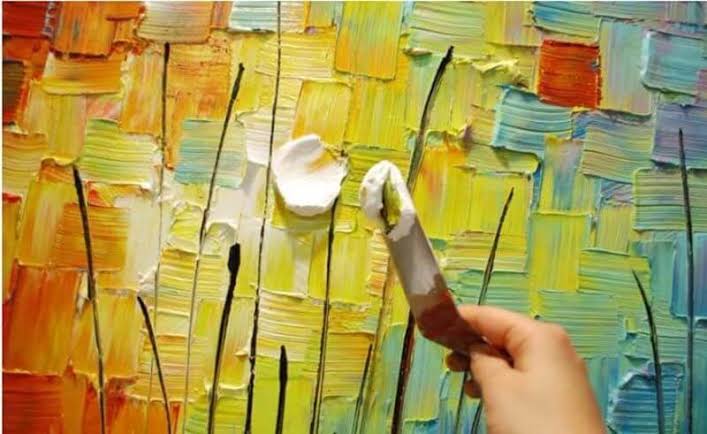
Impasto involves applying thick layers of paint, often with a palette knife, creating a three-dimensional effect. This technique adds energy and movement, as seen in works by Vincent van Gogh.
3. Underpainting: Building a Strong Foundation
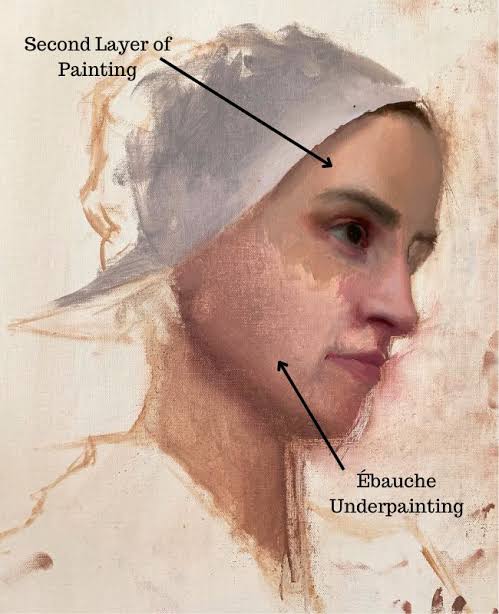
An underpainting is a monochrome base layer that guides composition, shadows, and values before adding color. Common approaches:
• Grisaille: A black-and-white underpainting for dramatic contrast.
• Verdaccio: A greenish-gray underpainting, historically used in Renaissance portraits.
4. Dry Brush Technique for Textural Details
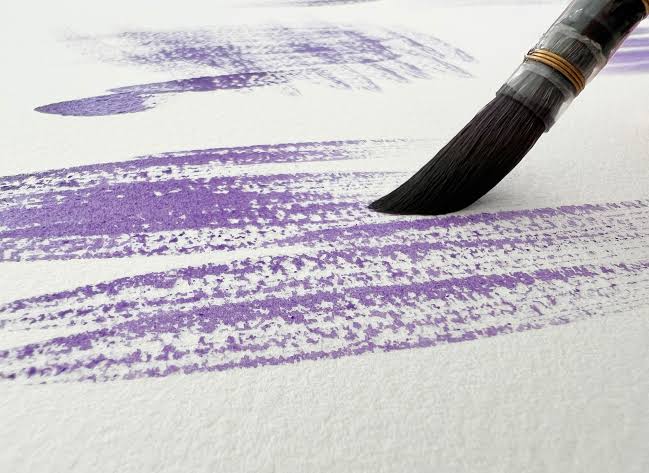
By lightly dragging a dry brush over a surface, artists can achieve texture in landscapes, hair, or fabric folds. This technique works well in both acrylic and oil painting.
5. Scumbling for a Soft Glow
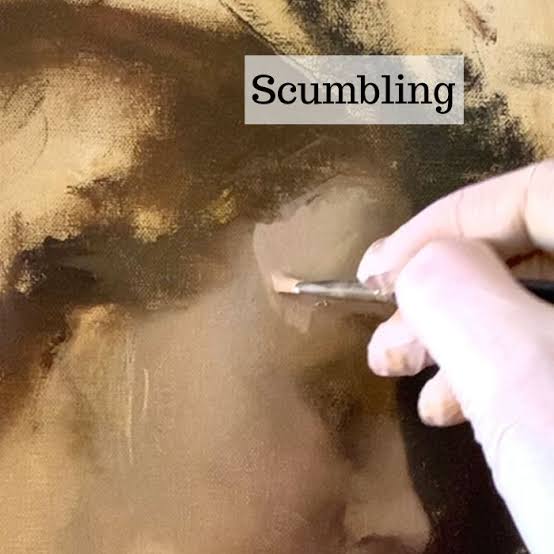
Scumbling involves applying a thin, opaque layer of lighter paint over a dry, darker color, allowing some of the underlying color to show through. This technique adds a hazy, atmospheric effect, often seen in classical paintings.
6. Glazing for Depth and Light
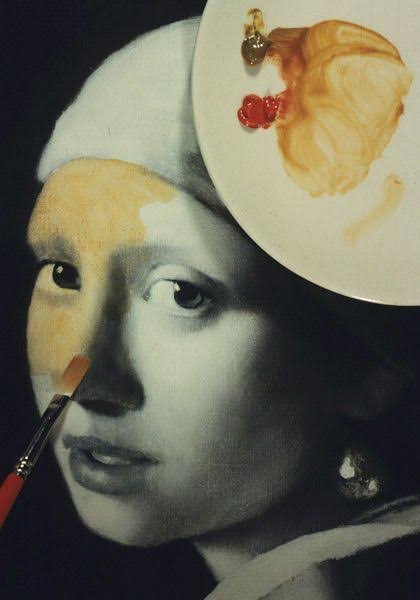
Glazing uses transparent layers of paint to modify the color and luminosity of a painting. Artists like Rembrandt used glazes to achieve rich skin tones and glowing effects.
7. Sgraffito for Expressive Marks
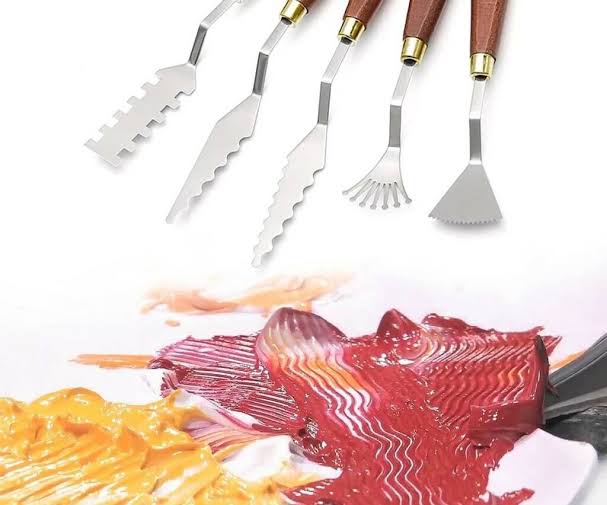
Sgraffito involves scratching through a layer of wet paint to reveal the color underneath. It’s commonly used for adding highlights, texture, or expressive details.
8. Grisaille and Chiaroscuro for Dramatic Contrast
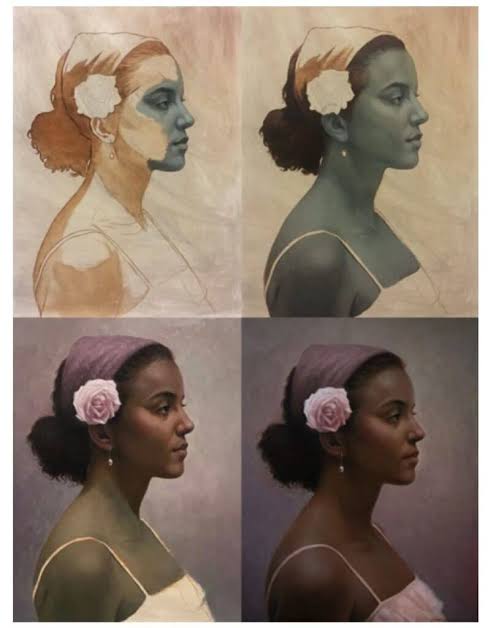
• Grisaille: Creating an entire painting in grayscale before adding color.
• Chiaroscuro: The strong contrast between light and dark to create volume and drama, famously used by Caravaggio.
Ready to Explore More Art Forms?
Discover diverse artistic techniques and styles in our Global Art Forms directory.
Are You an Artist? Feature Your Work!
We invite painters to showcase their portfolios on Worldwide Art Advocacy. Submit your work here to connect with a global audience.
 Worldwide Art Advocacy