
Sculpture is more than just an art form—it’s a dialogue between material and imagination. Whether you’re shaping clay, forging metal, or carving stone, the journey from raw material to finished piece is both technical and deeply personal. If you’ve ever wanted to bring your ideas to life in three dimensions, this guide will help you get started.
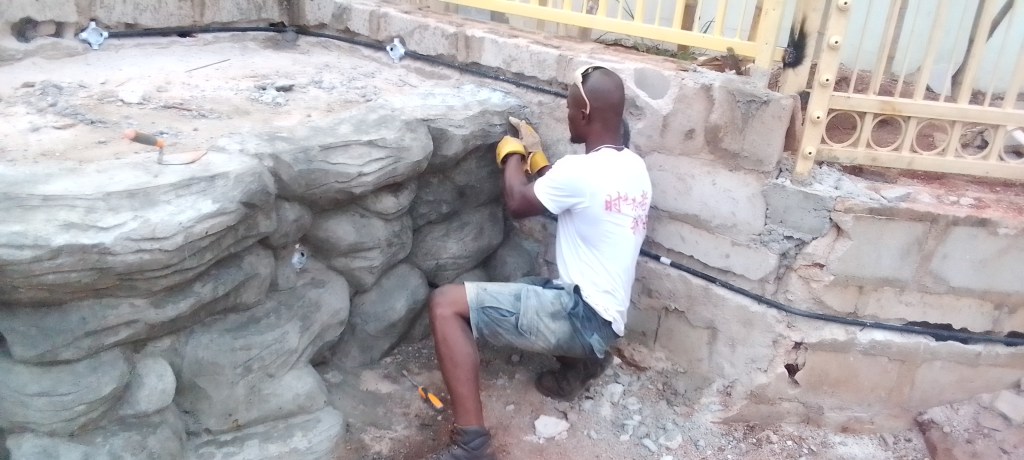
Why Choose Sculpture?
Unlike painting or drawing, which exist on a flat surface, sculpture engages with space, light, and touch. It allows artists to create something tangible—something that can be walked around, held, and felt. The challenge? Each material behaves differently, requiring a unique approach and skill set.
Getting Started: Choosing Your Medium
Before diving in, it’s important to choose a material that suits your artistic vision and level of experience. Here’s a breakdown of three popular sculpting materials:
1. Clay: The Most Versatile Medium
Clay is an excellent starting point for beginners because it’s soft, moldable, and forgiving. You can reshape and refine your work until you’re satisfied.
Basic Techniques:
• Hand-building: Pinching, coiling, and slab techniques for forming shapes.
• Carving: Removing clay to define details.
• Slip and Score: Applying a liquid mixture (slip) to join pieces securely.
Types of Clay:
• Air-dry clay: Hardens naturally, perfect for home projects.
• Polymer clay: Requires baking but allows for intricate details.
• Ceramic clay: Needs a kiln for firing, used in pottery and large sculptures.
Tools to Start With:
• Wire loop tools for carving
• Wooden modeling tools for shaping
• Sponges for smoothing
2. Metal: Strength and Structure in Sculpture
Metal sculpture requires more advanced tools, but it offers durability and industrial beauty. Artists working with metal often use welding, casting, or forging techniques.
Basic Techniques:
• Welding: Joining metal pieces together using heat.
• Hammering (Repoussé): Shaping metal sheets by hammering from the back.
• Casting: Pouring molten metal into a mold to create a solid form.
Metals Commonly Used in Sculpture:
• Bronze: Classic choice, used for centuries.
• Steel: Strong and modern-looking.
• Aluminum: Lightweight and corrosion-resistant.
Essential Safety Tips:
• Always wear protective gloves and a welding mask.
• Work in a well-ventilated area to avoid toxic fumes.
3. Stone: The Timeless Art of Carving
Stone carving is one of the oldest sculpting methods, requiring patience and precision. Unlike clay, mistakes in stone are difficult to correct, making it a more challenging medium.
Basic Techniques:
• Direct Carving: Working without a detailed model, letting the stone guide the form.
• Subtractive Sculpture: Removing material to reveal the final shape.
• Polishing: Using sandpaper and abrasives to achieve a smooth finish.
Types of Stone for Beginners:
• Soapstone: Soft and easy to carve.
• Limestone: Smooth and responsive to tools.
• Marble: More difficult but rewarding with its natural beauty.
Essential Tools:
• Chisels (point, claw, and flat)
• Mallets for controlled force
• Rasps and sandpaper for finishing
Bringing Your Sculpture to Life: Shaping, Detailing, and Finishing
Regardless of your chosen material, the final stages of a sculpture involve refining the form and adding textures or finishes.
• Use sanding and polishing for smooth surfaces.
• Apply patinas or paint for color variation in metal and stone.
• Consider glazing for ceramic works to add shine and durability.
Common Mistakes and How to Avoid Them
• Rushing the process: Sculpture takes time. Enjoy the journey.
• Ignoring structural balance: Ensure your piece is stable and well-supported.
• Skipping safety measures: Always wear protective gear when working with tools and materials.
Explore More Sculpture Techniques and Global Art Forms
Sculpture is just one of many ways artists express creativity. Discover other art forms and their rich traditions in our Global Art Forms directory.
Showcase Your Work with Worldwide Art Advocacy
Are you a sculptor or an artist? Feature your work on our platform and connect with a global audience. Submit your portfolio here.
 Worldwide Art Advocacy