
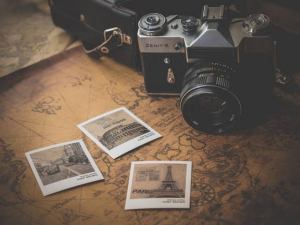
A celebration of the art and science behind photography.
What is Photography?
Photography is the art of capturing light to create images that tell stories, evoke emotions, or document moments in time. It bridges the technical and artistic worlds, blending precision with creativity to produce compelling visuals.
Forms of Photography
Photography is a diverse art form, offering unique ways to capture the world around us. Below, we explore some of the major forms of photography and their creative potential:
1. Wildlife Photography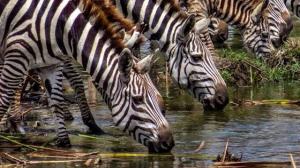
Capturing animals in their natural habitats, wildlife photography focuses on the beauty and behavior of the animal kingdom. This form often requires patience, specialized equipment, and an understanding of animal behavior to highlight biodiversity and conservation.
2. Landscape Photography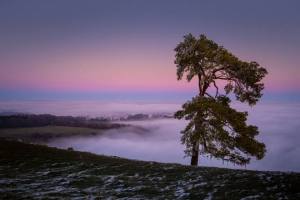
This form focuses on capturing the beauty of natural and urban landscapes. By exploring lighting, weather, and seasonal changes, photographers create dramatic compositions of mountains, forests, deserts, or city skylines.
3. Portrait Photography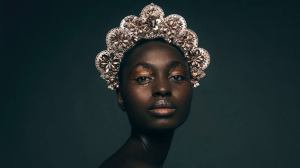
Portrait photography emphasizes capturing the essence, personality, and emotions of individuals or groups. It often involves a controlled setting, creative lighting, and post-processing to enhance the subject’s features.
4. Documentary Photography
Often used to tell stories or document real-life events, this genre focuses on authenticity. Subcategories include street photography, photojournalism, and cultural documentation.
5. Macro Photography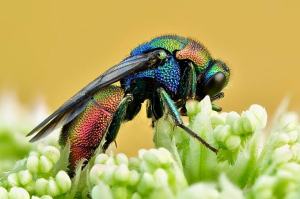
Macro photography involves extreme close-ups of small subjects, such as insects and flowers. It reveals intricate details that are often invisible to the naked eye, showcasing a hidden world.
6. Abstract Photography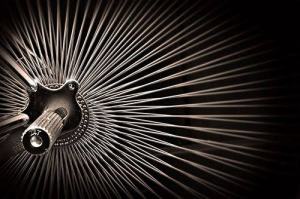
Abstract photography challenges perception by focusing on patterns, colors, shapes, and textures. It moves away from conventional subject matter to create a unique visual experience.
7. Fashion Photography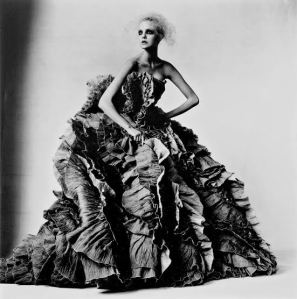
Fashion photography highlights clothing, accessories, and style. Shoots often take place in glamorous locations with dramatic lighting and stylized models.
8. Architectural Photography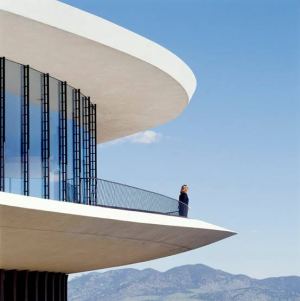
Architectural photography involves capturing buildings, bridges, and other structures. It emphasizes composition, symmetry, and lighting to highlight design and aesthetic appeal.
9. Sports Photography
Fast-paced and action-packed, sports photography captures athletes in motion. It requires quick reflexes and a deep understanding of the sport to anticipate the best moments.
10. Fine Art Photography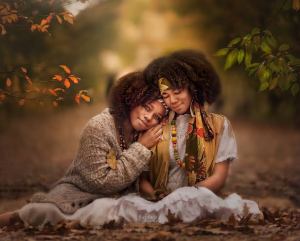
Fine art photography focuses on the artist’s vision and concept. Often involving surreal or conceptual elements, it is intended for galleries and exhibitions.
11. Underwater Photography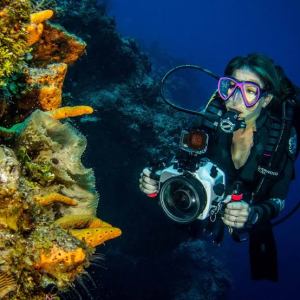
Using specialized equipment, underwater photography captures marine life and submerged landscapes, blending technical skill with artistic creativity.
12. Aerial Photography
With the advent of drones, aerial photography has gained popularity. It offers breathtaking perspectives of landscapes, cities, and events from above.
Photography is a versatile medium that allows individuals to express their creativity while documenting the world. Explore these genres, find your niche, and let your creativity shine through the lens!
The Evolution of Photography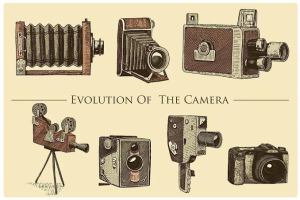
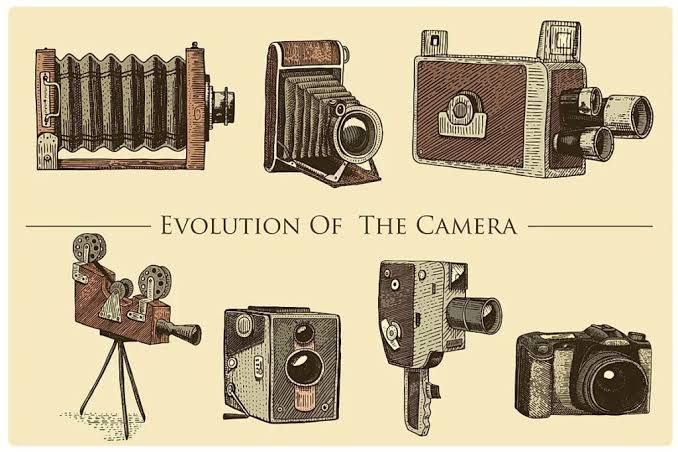
Photography has come a long way since its inception. From crude experiments with light and chemicals to the sophisticated digital systems we use today, the history of photography is a testament to human ingenuity and creativity. Let’s explore its evolution:
1. The Dawn of Photography (1820s–1830s)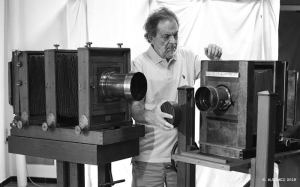
The journey began with the invention of the camera obscura, a tool that projected images onto a surface. In 1826, Joseph Nicéphore Niépce created the first permanent photograph using a technique called heliography. Soon after, Louis Daguerre introduced the daguerreotype in 1839, producing sharper images and revolutionizing the art of photography.
2. The Era of Wet Plate Photography (1850s–1880s)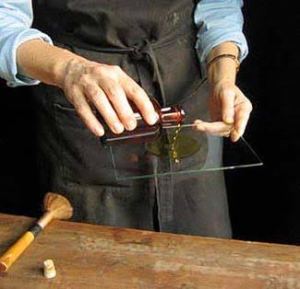
During this period, photographers used glass plates coated with chemicals to capture images. Techniques like the collodion process allowed for detailed photographs, but they required bulky equipment and immediate development on-site. Despite these challenges, this era produced iconic portraits and landscapes.
3. The Advent of Film Photography (1880s–1930s)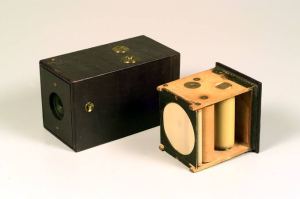
George Eastman introduced roll film and the Kodak camera in the late 19th century, making photography accessible to amateurs. With simpler equipment, people could capture everyday moments. This era also saw the rise of photojournalism, capturing historical events as they unfolded.
4. The Color Revolution (1930s–1960s)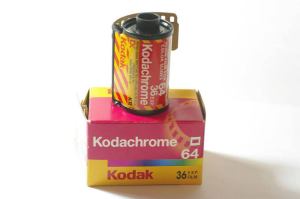
While early photographs were monochrome, advances in color photography began to emerge. Kodachrome, introduced in 1935, allowed vibrant and lasting color images. This period also saw the rise of artistic photography as a recognized art form, blending creativity with technology.
5. The Digital Transformation (1980s–2000s)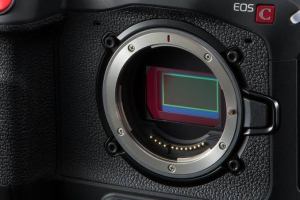
The late 20th century brought the digital revolution, with the invention of digital sensors replacing film. The first consumer digital cameras hit the market in the 1990s, and soon, digital photography became the standard. This transformation democratized photography, making it easier to capture, edit, and share images instantly.
6. The Smartphone Era (2000s–Present)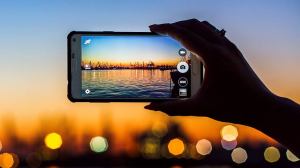
Today, almost everyone carries a camera in their pocket. Smartphones with advanced cameras have revolutionized how we capture and share moments. Apps and social media platforms have turned photography into a global language, enabling instant connection and creative expression.
7. Future of Photography
The future holds endless possibilities. Artificial intelligence, virtual reality, and computational photography are pushing the boundaries of what’s possible. As technology continues to evolve, so will the ways in which we tell stories through images.
Photography is more than just capturing light; it’s about preserving memories, expressing creativity, and documenting the world. Its evolution reminds us of the endless possibilities when art and technology intersect.
Essential Tools for Photographers
Cameras
From DSLRs to mirrorless and even smartphone cameras, the choice of equipment depends on your style and expertise.
Lenses
Different lenses offer unique perspectives. Wide-angle lenses are ideal for landscapes, while telephoto lenses excel in wildlife and sports photography.
Lighting Equipment
Natural light is invaluable, but artificial lighting tools like flashes, strobes, and reflectors help in controlled environments.
Editing Software
Software like Adobe Lightroom and Photoshop allow photographers to enhance and refine their images, ensuring the final product meets their vision.
Why Photography Matters
Photography is more than just capturing moments; it’s about preserving history, expressing creativity, and connecting people across cultures. Every photograph has the potential to tell a story, spark a conversation, or inspire change. Whether you’re an amateur or a professional, photography offers a canvas to explore the beauty of the world and share your perspective with others.
 Worldwide Art Advocacy