
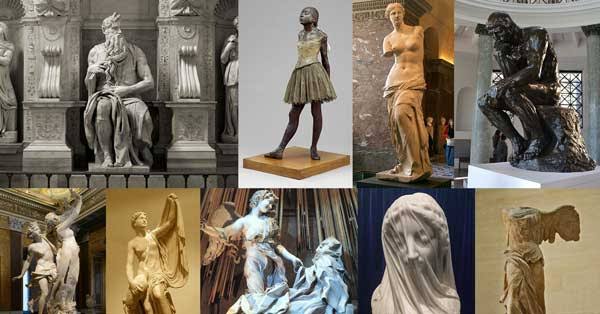
Sculpture: Giving Life to Form
What is Sculpture?
At its core, sculpture involves shaping materials into objects that exist in three dimensions. Unlike paintings, which are confined to flat surfaces, sculptures occupy physical space, inviting interaction from every angle. Whether carved from stone, molded in clay, or assembled from everyday items, sculptures are a testament to human creativity.
Forms of Sculpture
Sculpture comes in various forms, each offering unique ways to express creativity and emotion. Understanding these forms helps artists explore their ideas in new dimensions:
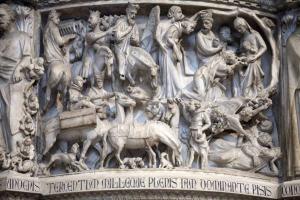
- Relief Sculpture: This form is carved or molded from a flat surface, creating raised or recessed designs. Common in ancient architecture, examples include intricate temple carvings or decorative friezes.
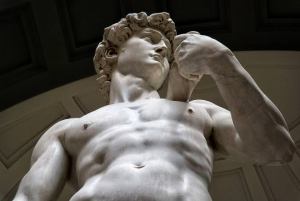
- Freestanding Sculpture: Also known as “in-the-round,” these sculptures are fully three-dimensional and can be viewed from all angles, such as Michelangelo’s iconic David.
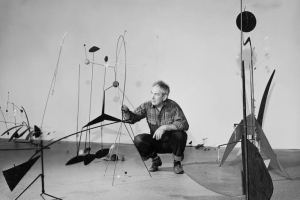
- Kinetic Sculpture: These sculptures incorporate movement, often powered by wind, water, or motors. Alexander Calder’s mobiles are prime examples of this dynamic art form.
- Installation Art: Often large-scale and immersive, these sculptures transform spaces and engage viewers interactively. Works by artists like Anish Kapoor redefine how we experience art.
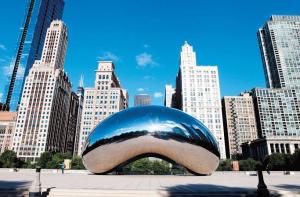
- Environmental Sculpture: These pieces are integrated into or made from natural surroundings, blending art with the environment. Andy Goldsworthy’s ephemeral works are a testament to this form.
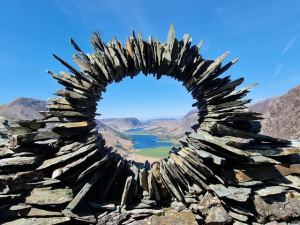
- Assemblage: This method involves combining found objects to create a sculpture. It emphasizes creativity and resourcefulness, as seen in the works of artists like Louise Nevelson.
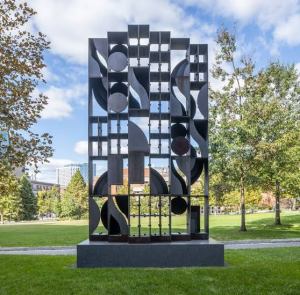
- Digital and 3D Sculpting: Utilizing modern technology, artists create virtual sculptures or use 3D printing to bring their designs to life, bridging the gap between tradition and innovation.
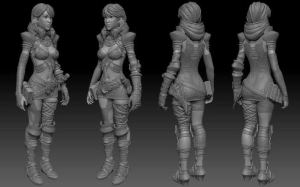
Each form of sculpture opens a world of possibilities, offering artists the freedom to explore and redefine their creative boundaries.
Transition of Sculpture Across Various Ages
The art of sculpture has evolved significantly over centuries, reflecting the cultural, religious, and technological advancements of humanity. Let’s explore how sculpture transitioned across various historical periods:
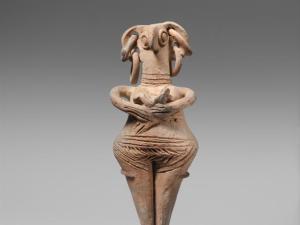
1. Prehistoric Sculpture
In prehistoric times, sculpture was predominantly utilitarian or ritualistic. Small figurines like the Venus of Willendorf were crafted to symbolize fertility or spiritual beliefs. Materials such as bone, stone, and clay were common, and the focus was on simplicity and symbolism.
2. Ancient Civilizations
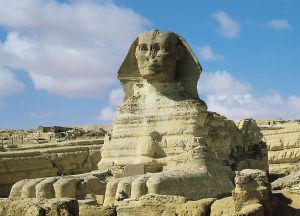
During this period, sculpture became grand and monumental. In Egypt, colossal statues like the Sphinx and intricate tomb carvings conveyed power and divinity. Mesopotamian sculptures depicted detailed narratives on reliefs, while Greek and Roman sculptures celebrated human form, realism, and mythology. Think of the Statue of Zeus or Laocoön and His Sons.
3. Medieval Period
The medieval period saw a shift towards religious expression. Gothic cathedrals like Notre Dame featured intricate stone carvings, gargoyles, and reliefs illustrating biblical stories. The emphasis was less on realism and more on spiritual symbolism.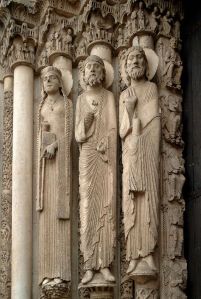
4. Renaissance
The Renaissance was a golden age for sculpture, marked by a revival of classical ideals. Artists like Michelangelo and Donatello pushed the boundaries of realism and emotion. Michelangelo’s David and Pietà remain iconic examples of this era’s artistic achievements.
5. Baroque and Rococo
Baroque sculptures were dramatic and dynamic, often depicting intense movement and emotion. Gian Lorenzo Bernini’s Ecstasy of Saint Teresa exemplifies this style. The later Rococo period introduced a more playful and ornate approach, with sculptures focusing on beauty and charm.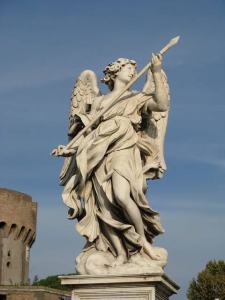
6. Modernism
The modern era broke away from tradition, embracing abstraction and innovation. Artists like Auguste Rodin and Constantin Brâncuși explored new forms and concepts. Rodin’s The Thinker bridged realism and modern experimentation, while Brâncuși’s Bird in Space Brâncuși’s Bird in Space emphasized simplicity and essence.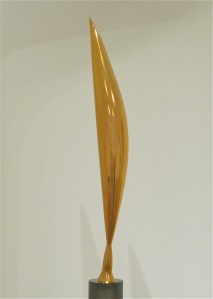
7. Contemporary Sculpture
Today, sculpture is a diverse and dynamic field, incorporating mixed media, technology, and social commentary. Artists like Anish Kapoor and Jeff Koons challenge traditional notions, creating works that spark dialogue and redefine the boundaries of art. Digital tools and 3D printing also play a significant role, making sculpture more accessible and innovative.
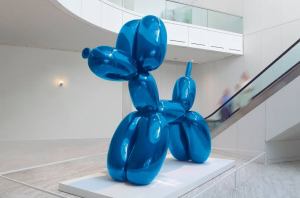
From primitive carvings to high-tech installations, sculpture’s journey mirrors humanity’s growth and creativity. It remains a vital medium for expressing ideas, emotions, and cultural identity across time.
Materials and Techniques
Sculptors work with an incredible variety of materials. Each material offers unique possibilities, and the choice often depends on the artist’s vision and the intended message.
- Stone: Marble and granite are timeless, symbolizing permanence and strength.
- Metal: Bronze and steel offer flexibility for creating bold, modern designs.
- Wood: Known for its warmth and organic beauty, wood has been used by cultures worldwide.
- Clay: Ideal for detailed modeling, clay is often used for prototypes or small-scale sculptures.
- Mixed Media: Contemporary sculptors frequently experiment with unconventional materials.
Techniques include carving (removing material), modeling (adding material), casting (pouring liquid into molds), and assembling (combining pieces into a whole). Each method requires patience, precision, and creativity.
Sculptural Tools According to Their Forms and Materials Used
The tools used in sculpture vary depending on the form of the artwork and the material being sculpted. Understanding these tools is essential for achieving precision and bringing creative visions to life. Below is a breakdown of sculptural tools based on the forms of sculpture and materials:
1. Tools for Stone Sculpture
Stone sculpture requires robust and durable tools to carve, shape, and polish hard materials like marble, limestone, and granite. Key tools include:
- Chisels: Point chisels, flat chisels, and toothed chisels are used to remove material and define details.
- Hammers: Mallets and heavy-duty carving hammers are essential for striking chisels and breaking large stone blocks.
- Rasps and Rifflers: These tools refine details and smooth surfaces after rough carving.
- Polishing Tools: Sandpaper, diamond pads, and polishing wheels create a smooth and glossy finish.
2. Tools for Wood Sculpture
Wood carving requires sharp, precise tools for cutting and detailing. These tools include:
- Carving Knives: Used for shaping and detailing soft and hard wood.
- Gouges: U-shaped and V-shaped gouges create curves, grooves, and patterns.
- Chisels: Flat and beveled chisels are used for cutting and leveling surfaces.
- Mallets: Provide controlled force to drive chisels into the wood.
- Saws: Hand saws and jigsaws are used to cut wood into rough shapes before carving.
- Sandpaper: Smooths and refines the wood’s surface for finishing.
3. Tools for Clay and Wax Sculpture
Soft and malleable materials like clay and wax require delicate tools for modeling and shaping. Common tools include:
- Modeling Tools: Wooden, metal, and plastic tools help shape, smooth, and add fine details.
- Wire Loop Tools: Remove excess material and create intricate details.
- Rolling Pins: Flatten clay into even sheets for larger sculptures.
- Cutters and Knives: Precision tools for cutting and sculpting edges.
- Sponge and Water Spray: Keep clay moist and workable.
- Armatures: Provide internal support for larger clay and wax sculptures.
4. Tools for Metal Sculpture
Metal sculpting involves cutting, welding, and assembling various metals. Essential tools include:
- Welding Tools: MIG, TIG, and arc welders join metal components.
- Plasma Cutters: Cut through thick metal sheets with precision.
- Grinders: Angle grinders and bench grinders smooth edges and surfaces.
- Hammers: Shape and texture metal by hand.
- Anvils: Provide a sturdy surface for shaping metal.
- Files: Refine and smooth smaller metal details.
5. Tools for Mixed Media and Assemblage
For sculptures combining diverse materials, a variety of tools are used, including:
- Hot Glue Guns: Quickly bond lightweight materials like fabric, plastic, or paper.
- Drills and Screwdrivers: Secure parts together with screws or bolts.
- Wire Cutters: Shape and trim wires for structural support.
- Adhesives: Epoxy resin and industrial glues for joining heavy materials.
- Paintbrushes and Sprayers: Add finishing touches with paint or coatings.
6. Digital Tools for Modern Sculpture
Technology has introduced tools that aid in designing and creating sculptures:
- 3D Modeling Software: Programs like Blender and ZBrush allow artists to design and visualize sculptures before physical creation.
- 3D Printers: Create intricate models and prototypes with precision.
- CNC Machines: Cut and shape materials with computer-guided accuracy.
- Laser Cutters: Engrave and cut precise patterns into various materials.
Each tool has a specific purpose, enabling artists to bring their creative visions to life. By understanding and mastering the right tools for the chosen material and form, sculptors can achieve both functionality and artistic excellence.
Why Sculpture Matters
Sculpture is more than just an art form; it is a reflection of culture, identity, and imagination. In public spaces, sculptures serve as landmarks and symbols of shared values. Consider the Statue of Liberty, a beacon of freedom and hope, or Christ the Redeemer in Brazil, embodying faith and unity.
On a personal level, sculptures often evoke deep emotions. Walking around a sculpture, feeling its texture, or seeing how light interacts with its surface can create a profound experience.
Modern Sculpture: Breaking Boundaries
Contemporary sculpture pushes boundaries, challenging traditional ideas of form and material. Artists like Anish Kapoor use massive installations to create immersive environments, while others incorporate technology, sound, or light to add new dimensions.
Digital sculpting has also transformed the art world. Tools like 3D printing allow artists to create intricate designs previously impossible with traditional methods. This blend of technology and art opens new doors for innovation.
Tips for Aspiring Sculptors
- Start Small: Begin with simple materials like clay or soap to practice shaping and modeling.
- Learn Anatomy and Proportions: Study the human body and natural forms to create realistic or expressive pieces.
- Experiment with Materials: Try different mediums to discover what suits your style.
- Visit Museums and Sculpture Gardens: Observe works by masters and contemporary artists for inspiration.
- Be Patient: Sculpture takes time and effort. Embrace the process and learn from every piece you create.
 Worldwide Art Advocacy