
Painting Tips to Help Improve Your Works
By Worldwide Art Advocacy
Introduction
Painting is a journey—sometimes exciting, sometimes challenging, but always rewarding. Whether you’re a beginner holding a brush for the first time or an experienced artist seeking fresh inspiration, there’s always room to grow. Let’s dive into some tried-and-true tips that can help you elevate your work and connect more deeply with your art.
1. Start with Quality Tools
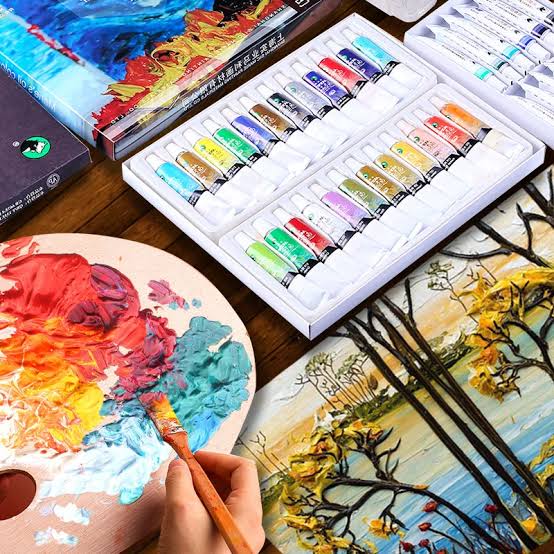
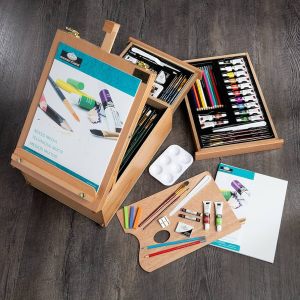
Investing in good materials is a game-changer. Using high-quality brushes, paints, and canvases may seem expensive, but they make a noticeable difference in the outcome. Think of it this way—would a chef use dull knives? Experiment with brands to find your favorites. For instance, I once tried a set of handmade brushes, and the way they laid paint was transformative!
2. Master the Basics
Before diving into complex pieces, get comfortable with foundational skills. Practice simple shapes, gradients, and shading techniques. Explore color theory—understanding how colors interact can elevate your work from good to stunning. For example, using complementary colors like blue and orange creates dynamic contrast, while analogous colors like green and yellow evoke harmony.
3. Understand Your Medium
Each painting medium has its quirks:
- Oil Paints: Perfect for blending and layering, but be patient—they dry slowly.
- Acrylics: Quick-drying and versatile, ideal for bold experiments.
- Watercolors: Great for ethereal effects, but require a light touch to avoid muddying.
Pick a medium that resonates with your style, and don’t shy away from experimenting with others to expand your skills.
4. Play with Lighting
Light can transform your painting. Practice observing how light hits objects in real life—this helps you add depth and realism. For instance, a still-life study of fruit can teach you a lot about shadows and highlights. Remember, light doesn’t just illuminate—it tells a story. Chiaroscuro
5. Layer Your Work
Start with broad strokes to establish composition and color. Then, build details in layers. This approach prevents your painting from feeling flat. For example, in a landscape, begin with the sky and background before adding trees and foreground elements.
6. Embrace Mistakes
Mistakes are part of the process. Some of my best works started as accidents—a misplaced stroke turned into a bold new direction. Don’t be afraid to experiment. Each piece is a step in your growth.
7. Take Inspiration from Around the World
Art transcends borders. Explore cultural styles to broaden your perspective. For example, the vibrant colors of Mexican folk art or the delicate brushstrokes of Japanese sumi-e painting can inspire fresh ideas in your own work.
8. Keep Practicing
Like any skill, painting improves with practice. Dedicate time to your craft regularly, even if it’s just 10 minutes a day. Keep a sketchbook for quick studies or jotting down ideas—it’s like a visual diary of your artistic journey.
9. Seek Feedback and Learn
Feedback is invaluable. Share your work with trusted friends, mentors, or online communities. Constructive criticism helps you grow, while positive reinforcement keeps you motivated. Remember, every artist started somewhere!
10. Enjoy the Process
At its core, painting should bring joy. Celebrate your achievements, no matter how small. It’s about expression, connection, and discovery—so relish the journey.
 Worldwide Art Advocacy
One thought on “Painting Tips to Improve Your Art”