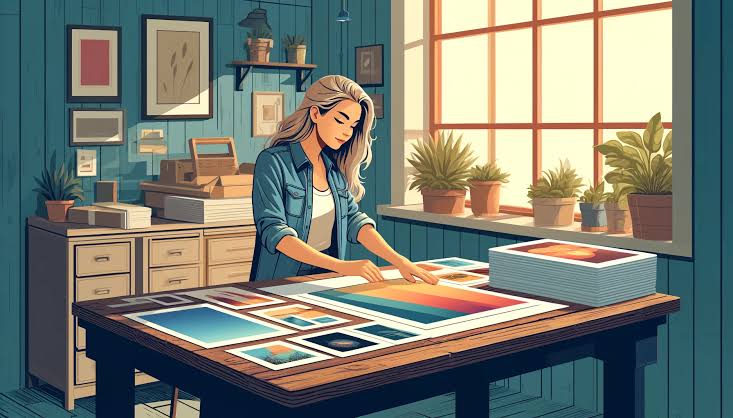
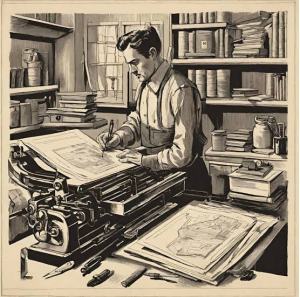
Printmaking is an extraordinary art form that combines technique, creativity, and craftsmanship to produce stunning visuals. It has a rich history and continues to be a medium through which artists express themselves in unique and compelling ways. Let’s dive into the fascinating world of printmaking!
What is Printmaking?
At its core, printmaking is the process of creating artworks by transferring ink from a prepared surface, known as a matrix, onto paper, fabric, or another medium. Unlike other forms of art, printmaking often allows for multiple original prints, giving it a unique place in the artistic world.
A Brief History of Printmaking
Printmaking dates back thousands of years, with roots in ancient China and Japan. Techniques like woodblock printing were used to produce text, images, and patterns. By the 15th century, European artists like Albrecht Dürer elevated printmaking to a fine art. The invention of the printing press further expanded its reach, making art and literature more accessible to the masses.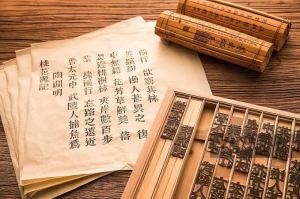
Techniques in Printmaking
Printmaking encompasses a variety of techniques, each offering distinct textures and effects. Here are some of the most popular methods:
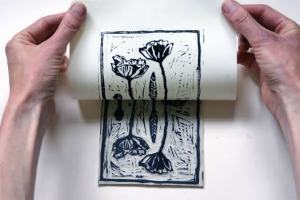
- Relief Printing: Techniques like woodcuts and linocuts involve carving away portions of the matrix, leaving raised areas to hold the ink.
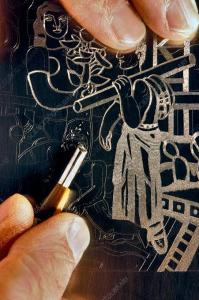
- Intaglio: In processes like etching and engraving, artists incise lines into a metal plate, which is then inked and pressed to transfer the design.
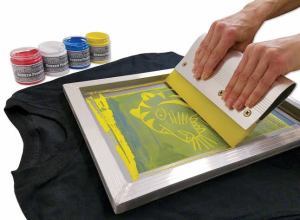
- Screen Printing: This modern method uses stencils and a fine mesh screen to create bold, colorful designs, commonly seen in posters and textiles.
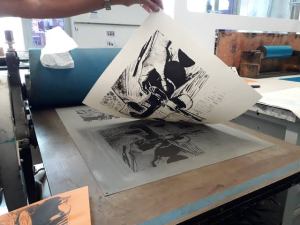
- Lithography: Based on the principle that oil and water do not mix, this technique allows for highly detailed and textured prints.
- Monoprinting: A highly experimental method where each print is unique, blending elements of painting and printmaking.
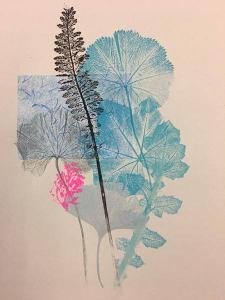
Why Printmaking Matters
Printmaking is more than a technique; it’s a way of storytelling. Through prints, artists have documented history, expressed social commentary, and explored abstract ideas. Today, printmaking continues to thrive, bridging the gap between tradition and innovation.
Artists like Katsushika Hokusai with his iconic “The Great Wave off Kanagawa” and Andy Warhol with his vibrant pop art prints have demonstrated the versatility and cultural significance of this art form.
Getting Started with Printmaking
If you’re inspired to explore printmaking, start small! Invest in basic tools like linoleum blocks, carving knives, ink, and a brayer. Experiment with simple designs and gradually expand your skills. Many community art centers offer workshops, providing a great way to learn under the guidance of experienced artists.
Remember, printmaking is as much about experimentation as it is about skill. Don’t be afraid to mix techniques, try new materials, or push the boundaries of traditional methods.
Materials Needed for Printmaking According to the Form
1. Relief Printing (e.g., Woodcuts, Linocuts)
Relief printing involves carving away parts of a surface, leaving raised areas to hold the ink.
Materials Needed:
Matrix: Woodblocks or linoleum blocks
Carving Tools: Gouges, chisels, and knives
Ink: Oil-based or water-based printing ink
Rollers: Brayers to apply ink to the matrix
Paper: Thin, absorbent paper such as Japanese rice paper
Printing Press (Optional): For even pressure or a baren for hand-pressing
2. Intaglio (e.g., Etching, Engraving)
Intaglio techniques involve incising lines into a metal plate to hold ink.
Materials Needed:
Matrix: Copper or zinc plates
Etching Tools: Needles, burnishers, and scrapers
Acid: Nitric acid or ferric chloride for etching
Ground: Hard ground and soft ground for coating the plates
Ink: Intaglio printing ink
Wiping Cloths: Tarleton cloth for wiping excess ink
Press: An intaglio printing press to transfer the design
3. Screen Printing (Silkscreen Printing)
Screen printing uses a stencil and a mesh screen to transfer designs onto a surface.
Materials Needed:
Screen: Mesh screen stretched over a frame
Stencil Materials: Paper, vinyl, or photo emulsion for creating stencils
Squeegee: For spreading ink evenly
Ink: Screen printing ink (fabric ink for textiles, acrylic-based ink for paper)
Surface: Paper, fabric, or other substrates
Light Source: For exposing photo emulsion screens (if applicable)
4. Lithography
Lithography relies on the principle of oil and water repelling each other.
Materials Needed:
Matrix: Limestone or aluminum plates
Grease-Based Drawing Tools: Lithographic crayons, pencils, or tusche
Etching Solution: Gum arabic and nitric acid mixture
Rollers: To apply ink to the matrix
Ink: Lithographic ink
Press: Lithography press for transferring the image
5. Monoprinting and Monotype
Monoprinting involves creating unique prints with each impression.
Materials Needed:
Matrix: Acrylic, glass, or gel plates
Ink or Paint: Water-based or oil-based printing inks or acrylic paint
Brushes or Rollers: For applying ink or paint to the matrix
Stencils or Textures (Optional): For adding unique elements
Paper: High-quality, smooth paper
Baren or Press: To transfer the image
6. Collagraphy
Collagraphy involves creating a textured plate using mixed materials.
Materials Needed:
Matrix: Cardboard, mat board, or hardboard
Textured Materials: Fabric, sandpaper, leaves, or string
Adhesive: Glue to attach textures to the plate
Ink: Oil-based or water-based printing ink
Rollers: Brayers for inking the plate
Paper: Absorbent paper for the final print
Press or Baren: To transfer the design
7. Digital Printmaking
Digital printmaking integrates traditional methods with technology.
Materials Needed:
Computer and Software: Graphic design programs like Adobe Illustrator or Photoshop
Printer: High-resolution inkjet or laser printer
Printing Paper: Fine art paper or specialty papers
Digital Tools (Optional): Drawing tablets for creating designs
By selecting the appropriate materials based on the printmaking form, artists can achieve optimal results while exploring the endless possibilities of this versatile art form.
The Future of Printmaking
With advancements in technology, printmaking has embraced digital tools. Digital prints and hybrid techniques are opening new avenues for artists. At the same time, traditional methods remain cherished, connecting us to the rich heritage of this art form.
Printmaking exemplifies the harmony of tradition and innovation, making it a timeless and evolving medium in the art world.
At Worldwide Art Advocacy, we celebrate the diversity and impact of art forms like printmaking. Whether you’re an aspiring artist or an art enthusiast, exploring printmaking can deepen your appreciation for creativity and craftsmanship.
 Worldwide Art Advocacy