
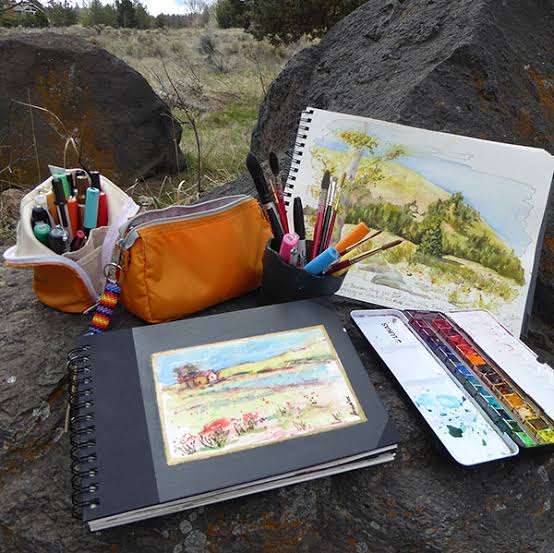
Travel and art share a unique connection. Both are journeys—one through the physical world, the other through creativity and self-expression. For artists, traveling isn’t just about seeing new places; it’s about experiencing them, translating sights, sounds, and emotions into something tangible. But how do you keep creating while on the move? Whether you’re a painter, a digital artist, or a sculptor, here’s how to make art while traveling without missing a beat.
—
1. Pack Light, But Smart
When traveling, less is more. The key is to strike a balance between having enough supplies to create and not feeling burdened by your gear.
Tips for Packing Art Supplies
Sketching Essentials: A small sketchbook, pencils, erasers, and pens are non-negotiable. Opt for compact tools like collapsible water brushes and travel watercolor sets.
Digital Art: If you work digitally, a lightweight tablet like an iPad with Procreate or a portable drawing pad like a Wacom One can be your studio-on-the-go.
Miniature Versions: Acrylic or watercolor tubes in travel sizes, foldable easels, and reusable palettes can save space.
I once met an artist in Morocco who carried a tiny watercolor kit that fit into her jacket pocket. She painted quick landscapes during tea breaks, capturing the bustling souks and serene deserts in vibrant detail.
—
2. Embrace Your Surroundings
Traveling provides endless inspiration. The trick is to slow down, observe, and let the environment guide your work.
Sketch What You See: From the intricate tiles of a Turkish mosque to the silhouette of mountains at sunset, each detail is a story waiting to be told.
Capture Moments: Sometimes, the vibe of a place—its energy, colors, or light—can inspire abstract pieces.
While in Kyoto, a painter sat by a quiet temple garden sketching the koi fish in the pond. He didn’t have much time, so he focused on their movements and patterns. Those sketches later became part of a larger mixed-media piece.
—
3. Adapt Your Process
Travel often comes with time constraints, limited supplies, or unexpected challenges. Flexibility is key.
Quick Studies Over Masterpieces
Instead of aiming for a polished piece, focus on quick studies. A five-minute sketch or a loose painting can capture the essence of a scene.
Mixed Media
Experiment with what’s around you—charcoal from a campfire, natural dyes, or even leaves and sand for texture. These add a unique connection to the place you’re in.
Example: On a road trip through the Southwest U.S., an artist I met used red desert sand mixed with acrylic gel to give his paintings a distinct texture that embodied the rugged terrain.
—
4. Carve Out Creative Time
Making art while traveling requires intentionality. It’s easy to get swept up in sightseeing and forget to create.
Set a Routine: Dedicate 30 minutes each morning or evening to your art.
Combine Travel and Creation: Paint while picnicking in a park or sketch during a long train ride.
—
5. Document Your Journey
Your art doesn’t have to be finished pieces. Use travel as an opportunity to document ideas, textures, and compositions you can refine later.
Photography: Take reference photos of landscapes, architecture, and people.
Journaling: Pair sketches with notes about the sights, sounds, and smells you experience. This adds depth to your work later.
Cultural Nuance: In India, documenting the vibrant colors of Jaipur’s markets—the marigold garlands, turmeric piles, and jewel-toned fabrics. Those sketches and notes can become a series exploring color psychology.
—
6. Connect with Local Artists
One of the most rewarding aspects of traveling as an artist is meeting like-minded creators.
Workshops and Classes: Join a pottery class in Bali or a plein air painting session in Paris.
Collaborations: Exchange techniques with artists from different cultures.
Example: In Ghana, collaborating with a local artist on traditional Kente weaving patterns can inspire a textile-themed series back home.
—
7. Be Open to Inspiration Everywhere
Art isn’t confined to a canvas. Sometimes, the most inspiring moments come from unexpected places.
Street Performers: Sketch musicians or dancers.
Markets and Cafes: Capture everyday life in its raw form.
Natural Wonders: Let the textures of rocks, waves, or foliage inspire abstract designs.
When hiking in Patagonia, you will be mesmerized by the jagged peaks and shifting light. Instead of trying to recreate the scene exactly, paint the mood—cold blues, sharp whites, and stormy grays.
—
8. Share Your Journey
Let your audience travel with you. Share your process and experiences through social media, blogs, or vlogs.
Behind-the-Scenes Content: Post time-lapse videos of your sketches or write about the cultural influences behind your work.
Storytelling Through Art: Let your pieces tell the story of your journey, from bustling cities to remote villages.
Example: An artist friend started a blog documenting her travels through Southeast Asia, pairing sketches with stories about the people she met. It not only boosted her following but also enriched her creative practice.
—
Final Thoughts: Art and Adventure
Creating art while traveling is about more than capturing beautiful scenery. It’s about immersing yourself in new cultures, finding inspiration in the unexpected, and allowing your experiences to shape your work.
So pack your tools, embrace the unknown, and let the world be your studio. Whether it’s a quick sketch on a napkin or a detailed painting by the sea, every piece becomes a part of your journey—one that you can share and cherish forever.
 Worldwide Art Advocacy