
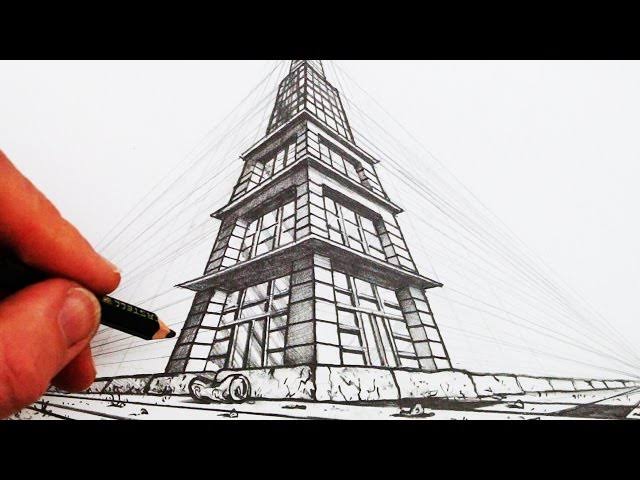
Perspective is one of the most transformative tools in an artist’s arsenal. It allows you to create depth, space, and a sense of realism in your work, guiding viewers into the world you’ve created on a flat surface. Mastering perspective is a journey, but with the right techniques, practice, and understanding, you can bring your artistic vision to life.
—
What Is Perspective in Art?
In art, perspective is the technique of representing three-dimensional objects on a two-dimensional surface to mimic reality. It’s what makes a road in a painting appear to stretch into the distance or a building seem to tower over the viewer.
The Main Types of Perspective
1. Linear Perspective
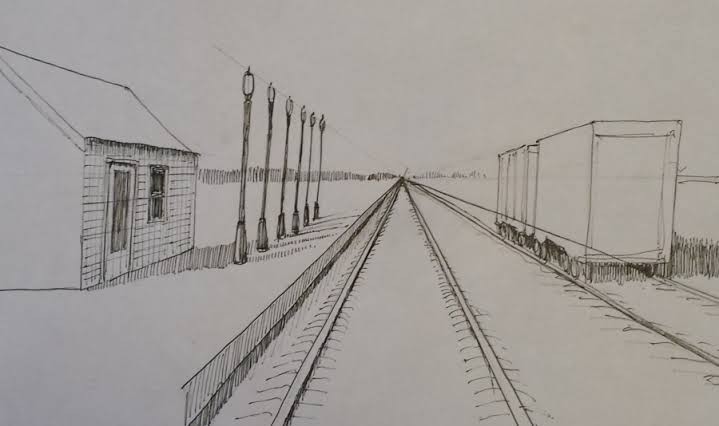
Uses converging lines and vanishing points to create depth.
Example: A road narrowing as it disappears into the horizon.
2. Aerial Perspective
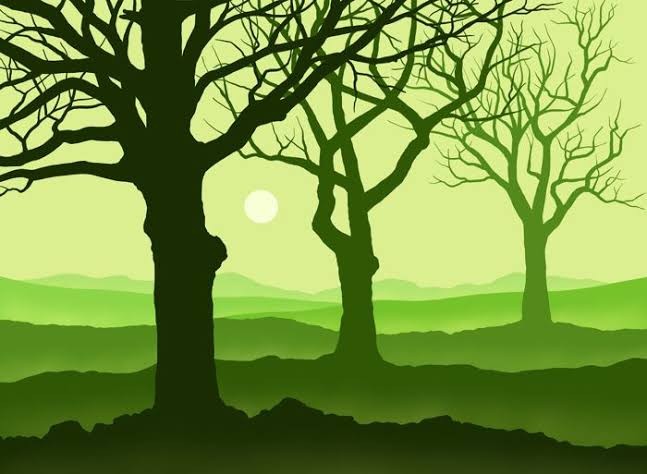
Captures the effect of atmosphere on distant objects, often using softer edges and muted colors.
Example: Mountains fading into a bluish haze as they recede.
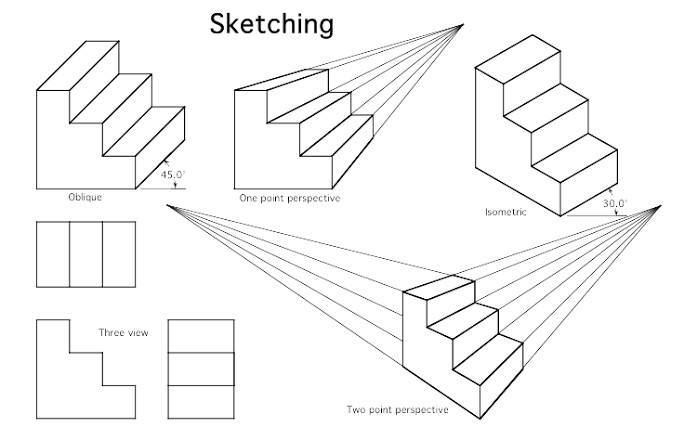
3. Oblique Perspective
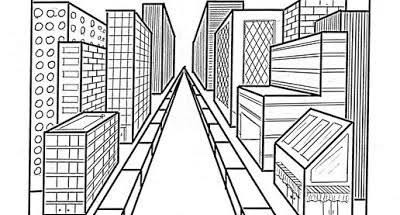
A less traditional method where objects are tilted or shown from unconventional angles.
—
The Basics of Linear Perspective
Linear perspective is the foundation of creating realistic spatial depth.
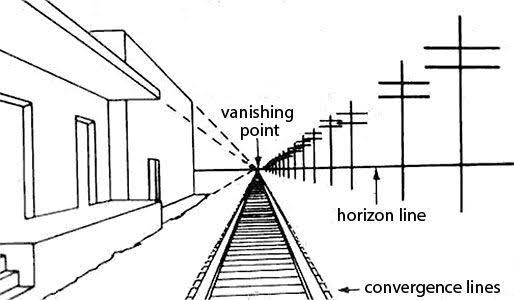
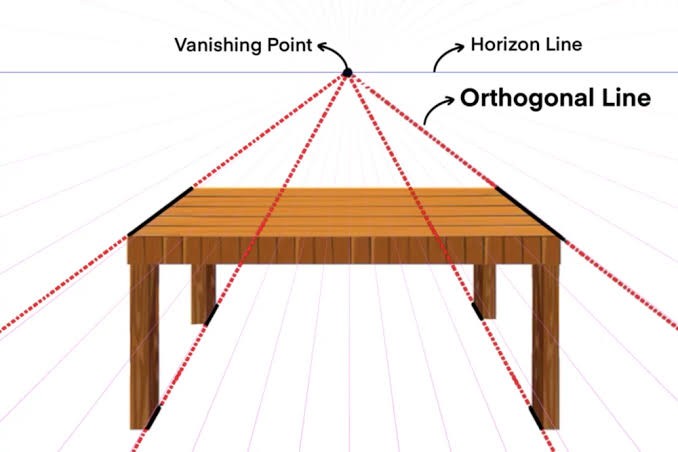
1. Horizon Line
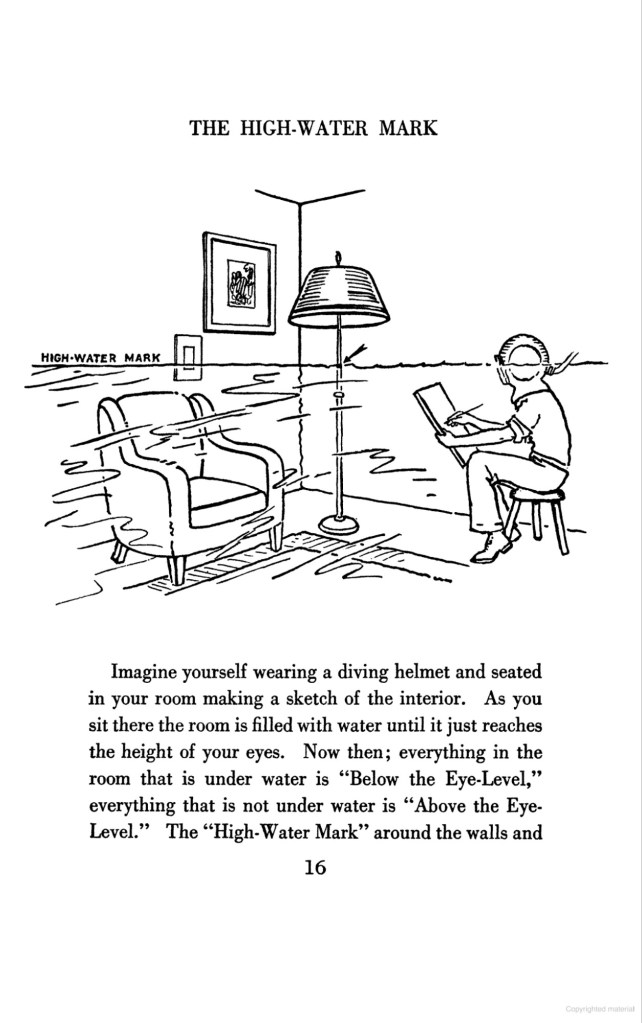
This is where the sky meets the ground. It represents the viewer’s eye level.
2. Vanishing Points
These are points on the horizon line where parallel lines appear to converge.
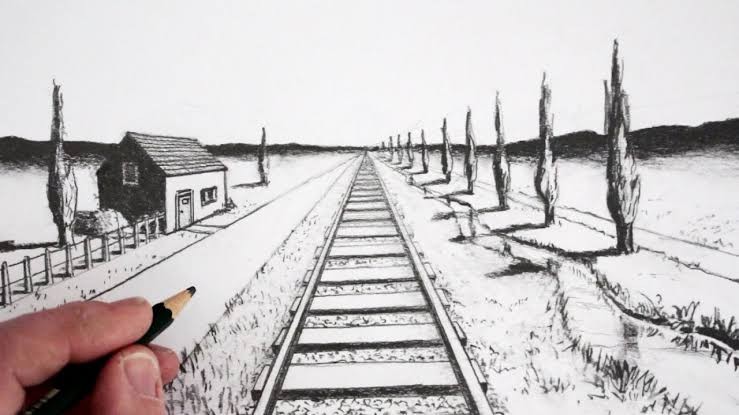
One-Point Perspective: All lines converge at a single point. Great for roads, hallways, or railways.
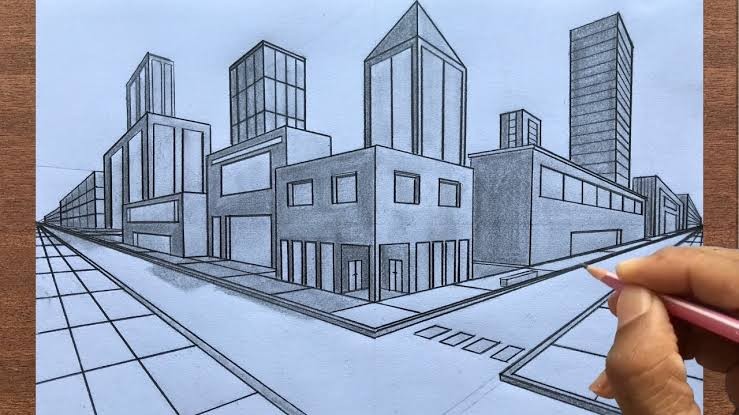
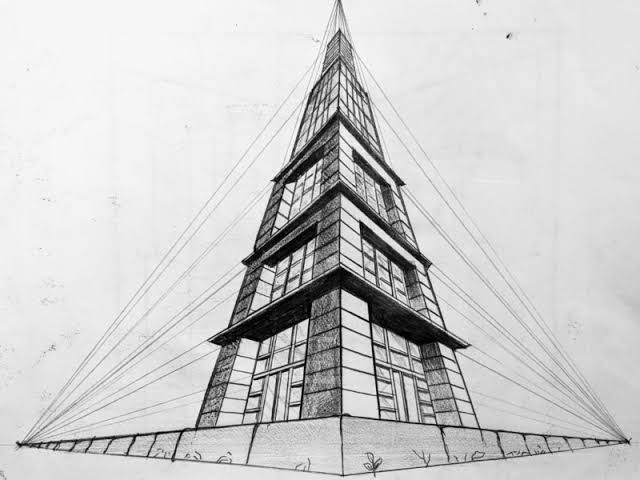
Two-Point Perspective: Two vanishing points are used, ideal for drawing buildings or streets.
Three-Point Perspective: Adds a third point, often used for dramatic angles, like looking up at a skyscraper.
3. Orthogonal Lines
These are the diagonal lines that lead to the vanishing point, creating the illusion of depth.
—
Tips for Mastering Perspective
1. Start with Simple Exercises
Begin with one-point perspective to build your confidence. Draw a cube, then progress to rooms, streets, and landscapes.
2. Observe Real Life
Study how objects look in relation to each other. For instance, notice how the height of a lamp post changes as you walk away from it.
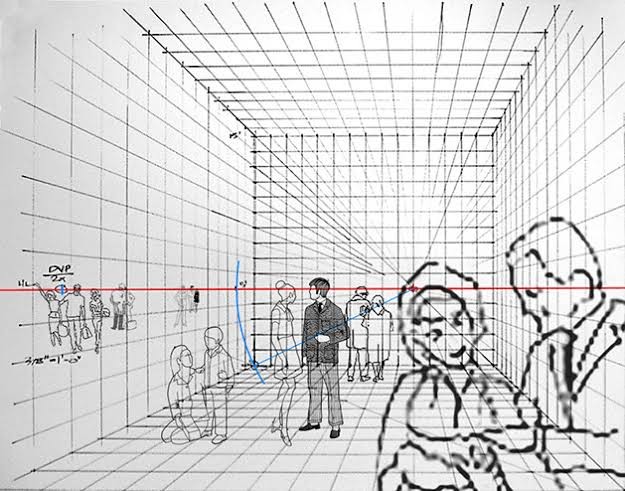
3. Use a Grid System
Many artists use grids to maintain accuracy. Digital tools like Procreate and Photoshop often have perspective guides to simplify the process.
—
Common Challenges and How to Overcome Them
1. Objects Look “Flat”
Solution: Add shading and texture to enhance the illusion of depth.
2. Perspective Looks Distorted
Solution: Double-check your vanishing points and horizon line. If they’re misplaced, your perspective will look unnatural.
—
Vivid Examples
Imagine you’re sketching a bustling marketplace.
In one-point perspective, you could position your vanishing point at the end of a long row of stalls. The stalls on either side would converge toward that point, drawing the viewer’s eye into the scene.
To enhance realism, use aerial perspective by making the figures in the background lighter and less detailed.
Another example: For a cityscape, use two-point perspective to draw towering buildings. Add reflections in the windows to emphasize their scale and modernity.
—
Resources to Deepen Your Knowledge
Books:
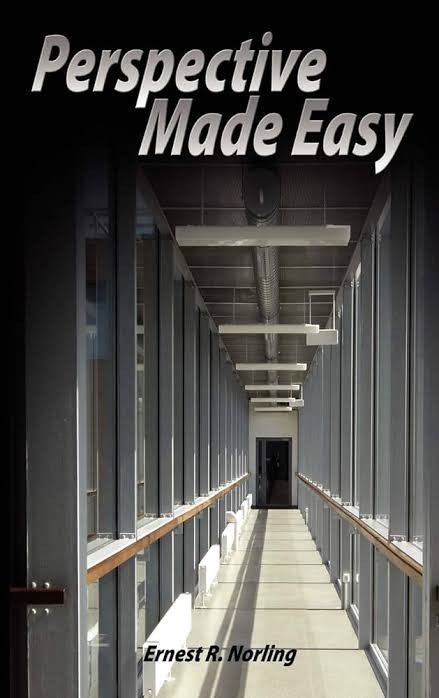
Perspective Made Easy by Ernest R. Norling
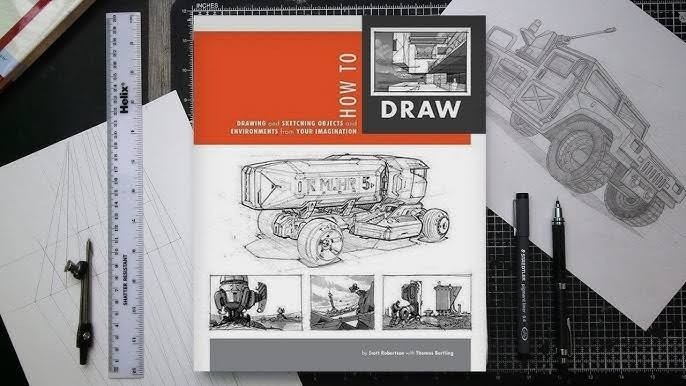
How to Draw: Drawing and Sketching Objects and Environments from Your Imagination by Scott Robertson
—
Perspective Beyond Realism
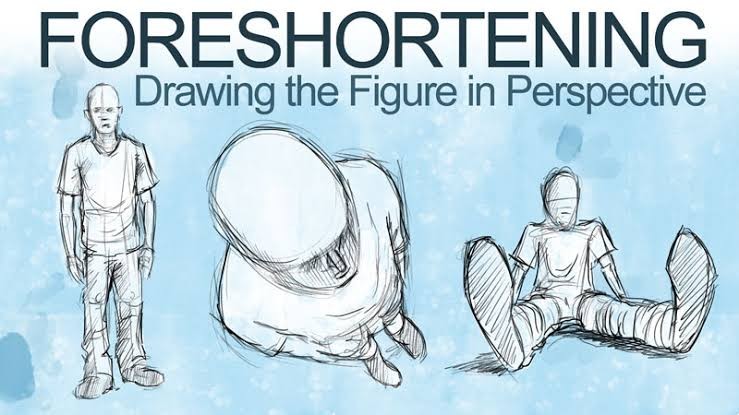
While perspective is often associated with realism, it can also be used creatively. Abstract and surrealist artists often distort perspective to evoke emotion or create otherworldly spaces.
For example, Salvador Dalí’s The Persistence of Memory uses warped perspectives to create a dreamlike atmosphere.
—
Final Thoughts: Make Perspective Your Ally
Mastering perspective opens the door to creating art that feels immersive and alive. It’s not just about technical skill—it’s about guiding your viewer’s journey through your work. With patience and practice, you’ll soon find yourself bending the rules of space to craft compelling, dynamic pieces.
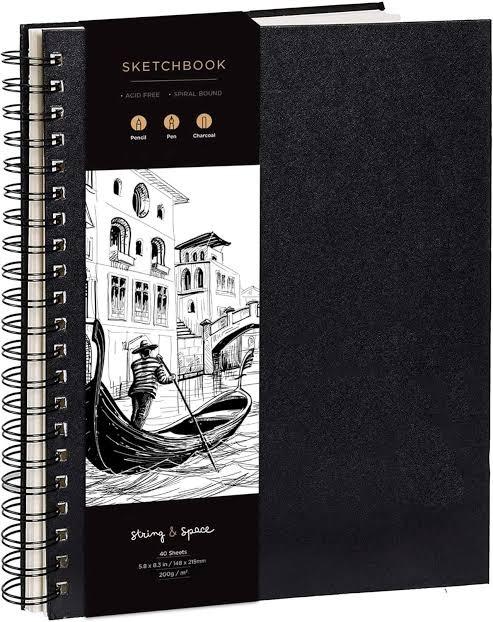
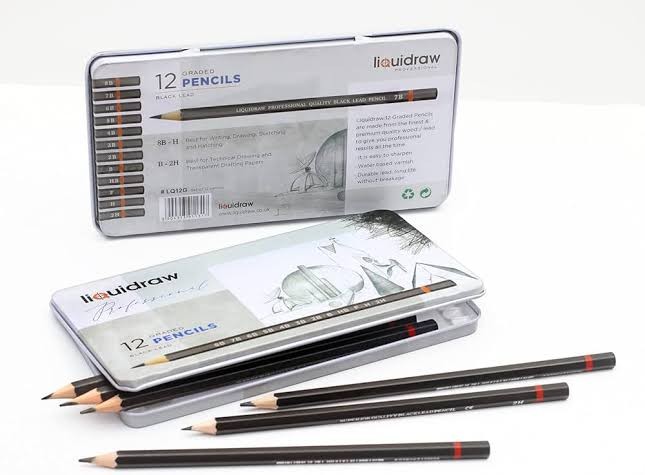
So grab your sketchbook, find a horizon line, and start creating worlds that pull your audience in.
 Worldwide Art Advocacy
Wonderful ♥️
LikeLike