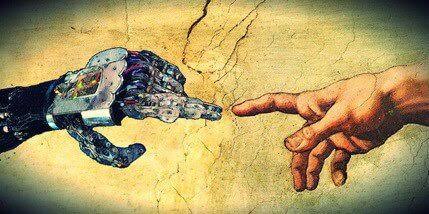
Technology has revolutionized every aspect of our lives, and the art world is no exception. From the way artists create to how their work is shared and consumed, technological advancements have opened up endless possibilities. Today, the fusion of art and technology has given rise to innovative practices, new mediums, and groundbreaking ways to engage with audiences. Let’s dive into how technology shapes modern art, offering both opportunities and challenges for creators and admirers alike.
—
Art in the Digital Era
Imagine Leonardo da Vinci with access to a tablet and stylus. The possibilities are exhilarating. In today’s world, artists aren’t confined to traditional brushes or clay. Digital tools like tablets, 3D printers, and artificial intelligence allow for infinite experimentation.
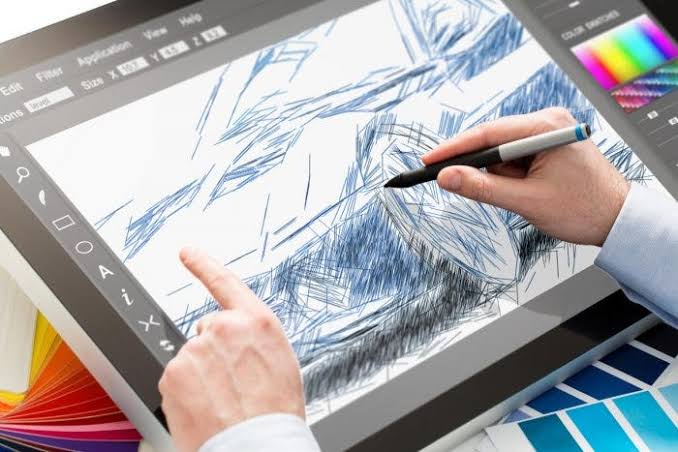
I remember exploring Adobe Photoshop for the first time as a traditional artist. What struck me most was the “undo” button—a liberating feature that made creative risks less intimidating. Suddenly, experimenting with bold ideas felt more accessible.
—
1. New Mediums for Expression
The rise of digital art platforms has birthed new art forms that were unimaginable just decades ago.
Digital Painting: Apps like Procreate and Adobe Fresco allow artists to paint with precision and freedom. Layers, blending tools, and an infinite palette make this medium incredibly versatile.
3D Modeling and Animation: Programs like Blender and Maya empower artists to create lifelike sculptures and animations that transcend physical boundaries.
Generative Art: Algorithms and artificial intelligence, such as MidJourney or DALL·E, assist artists in creating intricate, evolving pieces, blurring the line between human and machine creativity.
Example: Consider the digital artist Beeple, whose work combines surrealism and technology. His NFT piece, Everydays: The First 5000 Days, sold for a staggering $69 million, proving that digital art is not just a trend but a transformative movement.
—
2. Making Art More Accessible
Technology has democratized art, breaking down barriers that once kept creation and appreciation exclusive.
Online Tutorials and Courses: Platforms like YouTube and Skillshare offer free or affordable lessons in virtually every medium, from watercolor techniques to 3D animation.
Digital Galleries: Social media platforms like Instagram have become virtual galleries, where artists showcase their work to global audiences without needing traditional gatekeepers.
I once mentored a young artist in a rural community who had no access to formal training. Through YouTube tutorials, she mastered portrait painting, eventually selling her work online and connecting with clients worldwide.
—
3. Bridging Cultures Through Virtual Art
Technology transcends geographical boundaries, enabling cultural exchange like never before.
Virtual Reality (VR) Exhibitions: Museums and galleries now offer VR tours, allowing anyone with a headset to explore renowned collections from the comfort of their home.
Augmented Reality (AR) Art: Artists use AR to create interactive installations, where viewers can engage with pieces in dynamic, immersive ways.
Collaborative Platforms: Artists from different corners of the world collaborate on digital canvases in real-time, blending diverse styles and traditions.
In 2021, Kenyan artist Osborne Macharia used digital tools to create Afro-futuristic pieces that highlighted African heritage in a modern context. His work demonstrates how technology can honor and amplify cultural narratives.
—
The Challenges of Technology in Art
While technology offers incredible opportunities, it also presents challenges that artists must navigate.
Over-Saturation: With millions of artworks shared daily on social media, standing out can be daunting.
Authenticity Concerns: Digital tools make it easier to replicate and manipulate art, raising questions about originality and intellectual property.
The Digital Divide: Not all artists have equal access to technology, limiting participation in this new era of creativity.
Example: NFTs (non-fungible tokens) have sparked debates about environmental impact, as blockchain technology consumes significant energy. Artists are now exploring eco-friendly blockchain alternatives to address these concerns.
—
Technology as a Tool, Not a Replacement
It’s important to remember that technology is a means to an end, not the end itself. The essence of art remains rooted in human emotion, perspective, and creativity.
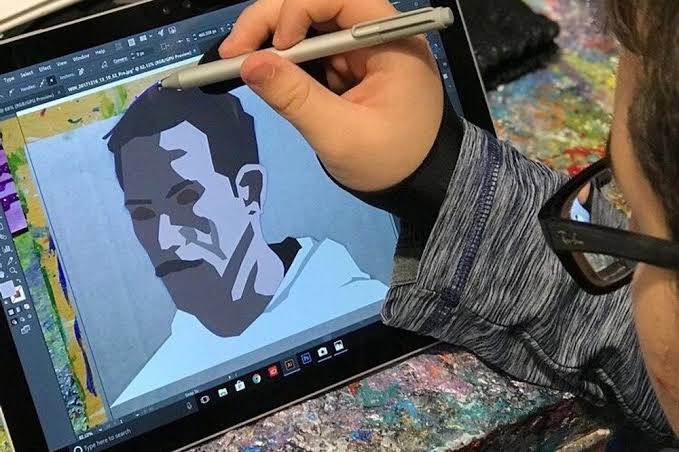
Traditional Meets Digital: Many artists blend traditional and digital techniques to create unique works. For instance, they might sketch on paper, scan their work, and add finishing touches digitally.
Handcrafted Aesthetic: Even in the digital realm, audiences often gravitate toward pieces that carry a sense of the artist’s hand and soul.
When I first tried digital painting, I missed the tactile experience of traditional art. To balance both worlds, I began sketching by hand and using digital tools to refine and colorize my work. This hybrid approach felt like the best of both worlds.
—
The Future of Art and Technology
As technology continues to evolve, so will its role in art. Emerging trends suggest a future where creativity knows no bounds:
AI-Enhanced Creativity: Artificial intelligence could become a collaborative partner, suggesting compositions or generating unique textures for artists to build upon.
Blockchain for Artists: Beyond NFTs, blockchain technology could offer secure ways to verify authenticity and provenance, protecting artists’ intellectual property.
Biotech and Art: Imagine wearable art or living sculptures made possible through advancements in biotechnology.
While some fear that technology might replace human creativity, the truth is far more inspiring—it amplifies what we’re capable of, pushing the boundaries of imagination.
—
Final Thoughts: The Infinite Canvas
Technology has given artists an infinite canvas, where the only limit is their imagination. Whether you’re a seasoned painter exploring digital tools or a tech-savvy creator redefining art forms, the fusion of art and technology is a testament to humanity’s boundless ingenuity.
In this ever-evolving landscape, one thing remains constant: art’s ability to connect, inspire, and transform. Technology is just the brush; it’s the artist who breathes life into the masterpiece.
 Worldwide Art Advocacy