
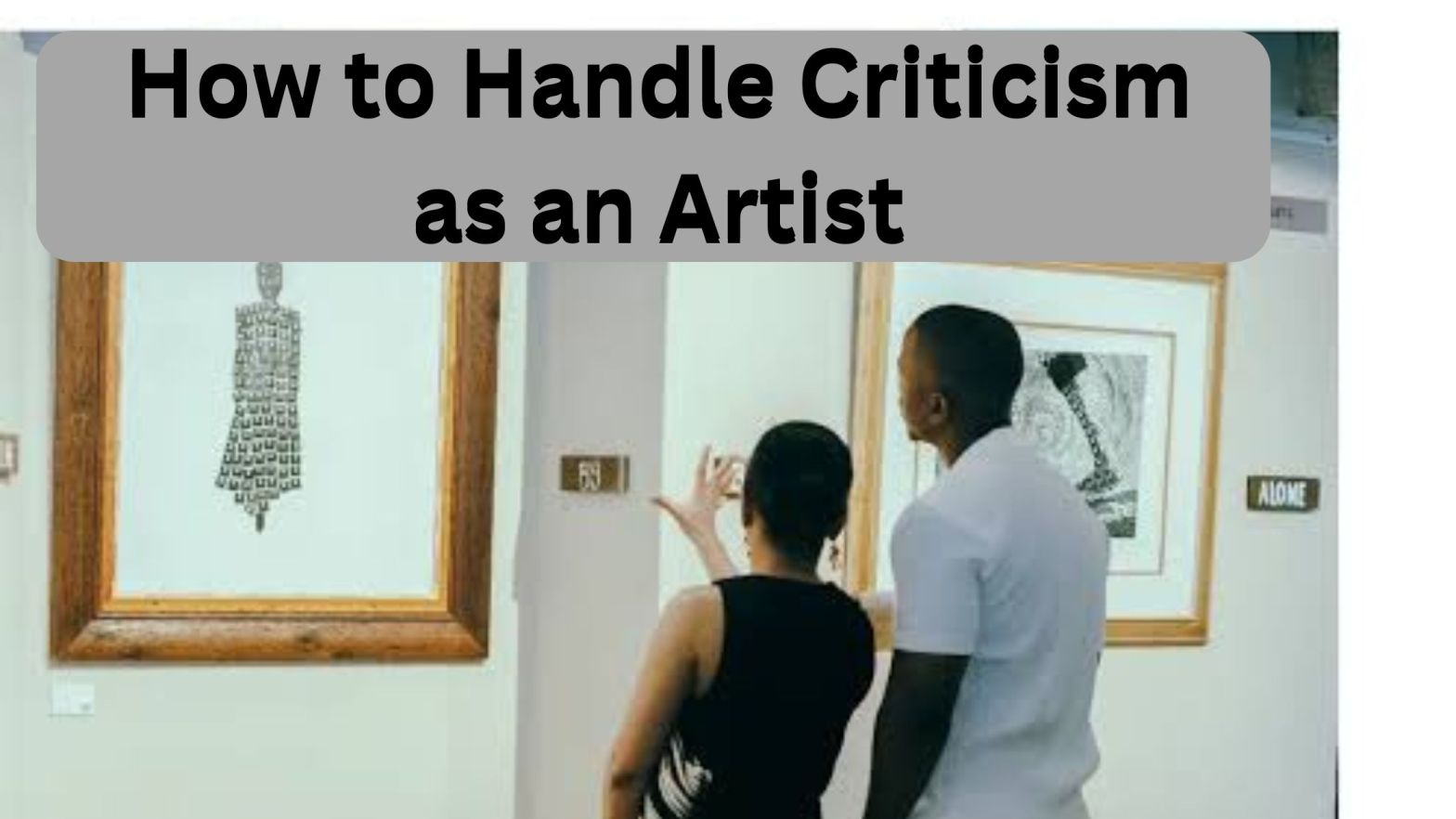
Criticism is an inevitable part of being an artist. Whether it’s a mentor’s feedback, a gallery’s rejection, or an online comment, facing criticism can feel like a hit to your creative spirit. But here’s the truth: criticism is also a powerful tool for growth. The key lies in how you handle it.
Let’s explore how to embrace critique, grow stronger from it, and maintain your creative passion.
Step 1: Separate Yourself from Your Work
It’s natural to feel personally attached to your art, but remember that a critique of your work isn’t a critique of your worth.
Example: Imagine a chef presenting a new dish. Feedback about the flavor isn’t about the chef—it’s about the food. Your art is the same.
Step 2: Identify Constructive Criticism
Not all feedback is created equal. Constructive criticism offers specific insights that help you improve, while unhelpful comments may lack depth or be overly negative.
Tip: Look for feedback that pinpoints areas of improvement: “The composition feels a bit crowded; have you considered simplifying the elements?” versus “I don’t like it.”
Step 3: Listen with an Open Mind
It can be tempting to defend your work immediately, but pause and truly listen. Take a moment to digest the feedback.
painter once shared how a harsh critique of her color palette stung at first. But after re-evaluating, she discovered a new combination of tones that became her signature style.
Step 4: Ask for Clarification
When feedback feels vague or confusing, don’t hesitate to ask questions. Understanding the critic’s perspective can open new doors to creativity.
Example: If someone says, “It feels unfinished,” ask, “What part stands out as incomplete to you?” Their insight might surprise you.
Step 5: Learn from the Critique
Criticism, even when hard to hear, often carries a nugget of wisdom. Use it as a chance to experiment and refine your skills.
Personal Insight: In one of my early works, a mentor pointed out that my focal point was unclear. At first, I was frustrated. But after reworking the piece with a defined focus, it became one of my best-received artworks.
Step 6: Recognize Cultural Nuances
Criticism can be influenced by cultural or personal perspectives. What’s bold and innovative in one culture might be seen as unconventional in another.
Tip: Consider the critic’s background and audience when evaluating feedback. It adds depth to your interpretation and helps you understand varying viewpoints.
Step 7: Build Resilience
Art is subjective. Not everyone will resonate with your work, and that’s okay. Focus on staying true to your vision while remaining open to improvement.
Emotional Appeal: Think of the greats—Vincent van Gogh sold only one painting in his lifetime but is celebrated today. Criticism is part of the journey, not the destination.
Step 8: Balance Feedback and Intuition
While feedback is invaluable, your artistic intuition is just as crucial. Learn to discern which critiques align with your goals and which do not.
Example: If your abstract piece is criticized for not being realistic, remember that abstraction is your style and not everyone will appreciate it.
Step 9: Create a Supportive Network
Surround yourself with fellow artists and mentors who provide constructive and encouraging feedback. A trusted circle can help you grow while softening the sting of harsh critiques.
Step 10: Keep Perspective
Every artist, from beginners to masters, faces criticism. It’s a sign that you’re putting your work out there—a brave and necessary step.
A sculptor once shared how a negative review pushed him to innovate. Years later, that same reviewer praised his evolution. Criticism, in hindsight, became a turning point.
Practical Exercises to Build Confidence
- Revisit Past Critiques: Look at old feedback and compare it to your current work. Celebrate how far you’ve come.
- Role-Play as the Critic: Review someone else’s work with constructive feedback. It can shift your perspective on receiving criticism.
- Keep a Journal: Document critiques and how you responded to them. Over time, you’ll notice growth in both your art and mindset.
Recommended Reading
- Art & Fear: Observations on the Perils (and Rewards) of Artmaking by David Bayles and Ted Orland.
- The War of Art by Steven Pressfield
Criticism can feel like a storm, but it often clears the path to new creativity. Embrace it as a tool for growth and remember: every critique brings you closer to becoming the artist you’re meant to be. Keep creating, keep learning, and let your art speak for itself.
 Worldwide Art Advocacy