
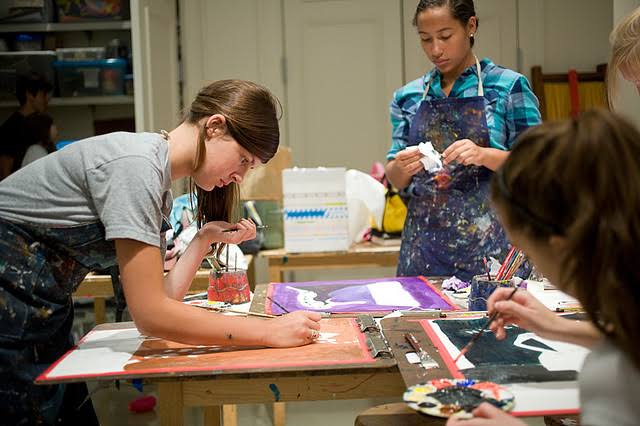
Teaching art classes is a rewarding journey that combines passion, patience, and a love for creativity. Whether you’re instructing children, adults, or advanced learners, your role as an art teacher goes beyond teaching techniques—you’re inspiring self-expression and fostering artistic growth. Let’s explore how to craft engaging, educational, and memorable art classes that leave a lasting impression.
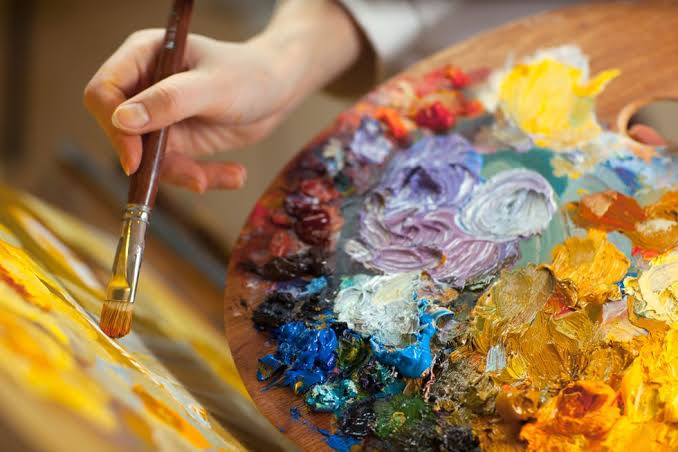
- Start with a Clear Vision
Before setting foot in the classroom, define your goals.
Are you teaching beginners who need foundational skills?
Do you aim to help advanced artists refine their techniques?
Will your classes focus on a specific medium, like painting, sculpture, or digital art?
Having a clear focus helps you structure lessons and ensures that your students know what to expect.
Personal Insight: When I started teaching art, I made the mistake of trying to cover too much in a single class. I quickly learned that focusing on one skill per session, like shading or composition, allowed students to truly absorb and practice.
- Know Your Students
Tailor your teaching style to the needs and experiences of your students.
Children thrive on playful exploration. Incorporate storytelling and hands-on activities to keep them engaged.
Teenagers might need encouragement to express themselves and feel confident in their unique styles.
Adults often seek relaxation or personal growth. Be patient and create a judgment-free zone.
Example: In one class, I noticed a shy teenager hesitant to share her work. I introduced a “gallery walk” where students anonymously displayed their art. Seeing others admire her work boosted her confidence tremendously.
- Create a Welcoming Space
The environment matters. A well-organized, inspiring space can set the tone for creativity.
Arrange Materials: Make supplies easily accessible. Group items like brushes, paints, and sketchbooks logically.
Incorporate Inspiration: Decorate the room with art from diverse cultures, famous artists, and even student work to inspire exploration.
Add Comfort: Good lighting, music, and a relaxed atmosphere can encourage creativity.
- Plan Engaging Lessons
A successful art class is a balance of structure and spontaneity.
Example Lesson Structure:
- Warm-Up Activity: Start with a quick exercise, like blind contour drawing or color mixing, to loosen up.
- Main Lesson: Introduce a new skill or concept, like perspective drawing or watercolor layering. Use demonstrations to clarify techniques.
- Practice Time: Allow students to experiment and apply what they’ve learned. Offer guidance without overstepping their creative process.
- Feedback and Sharing: End with a constructive critique session. Focus on positives and suggest improvements gently.
- Use Visual and Cultural References
Incorporate art history and cultural context into your lessons.
Show works by Vincent van Gogh to demonstrate expressive brushstrokes.
Highlight Frida Kahlo’s self-portraits to discuss emotional storytelling.
Explore African tribal art or Japanese woodblock prints for unique perspectives on form and style.
Encourage students to draw inspiration from their own backgrounds or the art of other cultures. This broadens their horizons and celebrates diversity.
- Encourage Experimentation
Art is as much about discovery as it is about technique. Create an environment where students feel safe to take risks.
Provide unconventional tools like sponges, palette knives, or even leaves for printing.
Challenge them to mix mediums—perhaps charcoal and watercolor or digital overlays on hand-drawn sketches.
- Offer Constructive Feedback
Feedback is a delicate balance of encouragement and critique.
Start with what’s working: “Your use of color really draws the eye.”
Gently suggest improvements: “What if you tried softening the edges here?”
Avoid overly harsh or vague comments, which can discourage students.
Tip: Tailor feedback to each student’s level. Beginners may need more praise to build confidence, while advanced students can handle more in-depth critiques.
- Incorporate Technology
Digital tools can enhance the learning experience, especially for tech-savvy students.
Use apps like Procreate or Adobe Fresco to teach digital painting.
Share YouTube tutorials or online resources for extra learning.
Create a digital gallery where students can upload and share their work.
- Be Flexible and Adaptable
Every class is different. Stay open to adjusting your plans based on the group’s energy or interests.
Personal Example: In a landscape painting class, I noticed students struggling with perspective. I shifted gears and spent the rest of the class on perspective exercises, which they found incredibly helpful.
- Celebrate Progress
Recognition goes a long way in motivating students.
Host an end-of-course exhibition to showcase their work.
Give out certificates or small awards for milestones like “Best Use of Color” or “Most Improved.”
Share their art on social media (with permission), tagging them for added encouragement.
Emotional Appeal: Seeing a student’s face light up when their work is celebrated is one of the most rewarding aspects of teaching art.
- Resources for Aspiring Art Teachers
The Art Teacher’s Survival Guide for Elementary and Middle Schools by Helen D. Hume
Teaching Artist Handbook: Tools, Techniques, and Ideas to Help Any Artist Teach by Nick Jaffe
Online courses on platforms like Skillshare or Coursera for teaching strategies
Teaching art is more than imparting skills—it’s about inspiring creativity, building confidence, and helping others see the world through new eyes. Every class you teach has the potential to shape a budding artist’s journey. Embrace the opportunity with passion, patience, and an open heart, and your students will thrive under your guidance.
 Worldwide Art Advocacy