
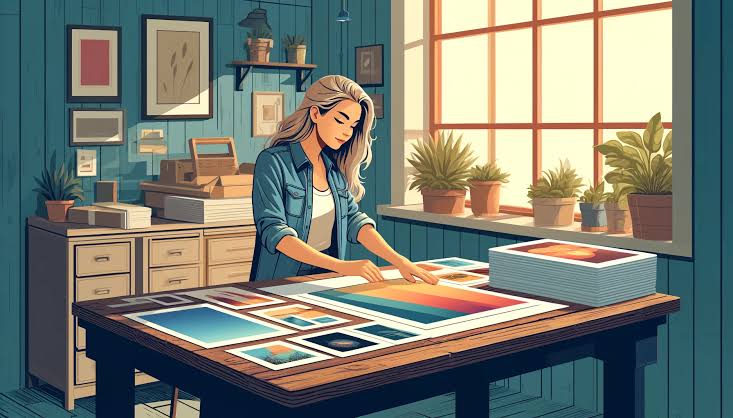
Imagine someone walking into their home after a long day and being greeted by the warmth of your art on their wall. Selling art prints allows your creativity to reach people in ways original works often cannot. If you’re wondering how to dive into this exciting venture, here’s a guide that combines practical steps with a touch of inspiration.
Step 1: Decide What to Print
Not all artworks translate well into prints. Choose pieces that evoke emotion, have a broad appeal, or showcase intricate details that shine in reproduction.
Tip: Start with a few popular pieces and experiment. Listen to what your audience loves.
Example: If you’re a watercolor artist, choose vibrant, balanced works. Detailed pencil sketches and digital illustrations often make stunning prints, too.
Step 2: Select the Right Printing Method
Printing is as much an art as creating the piece itself. Choose between giclée prints for gallery-quality reproductions or digital printing for budget-friendly options.
Step 3: Source Quality Materials
Your prints represent your brand. Invest in high-quality paper or canvas that enhances your art. Acid-free materials ensure the colors stay vibrant over time.
A friend once sold prints on standard paper, only to receive complaints about fading. Upgrading to archival paper not only solved the issue but also doubled their sales!
Step 4: Price Your Prints Fairly
Pricing can feel daunting, but here’s a formula:
Production cost + Packaging and shipping + Profit margin = Selling price.
Example: If a print costs $10 to produce and $5 to ship, aim to sell it for at least $30. This leaves room for profit while covering expenses.
Step 5: Create an Online Store
Today, selling online is a must. Platforms like Etsy, Shopify, and BigCartel make it easy. Social media marketplaces and your own website are also great options.
A wildlife artist I know built her Shopify store with vibrant product images and personal stories about her creative process. Her sales skyrocketed after adding behind-the-scenes videos.
Step 6: Masterful Presentation
Presentation sells prints.
Use high-resolution images for online listings.
Add detailed descriptions about size, material, and the inspiration behind the piece.
Package prints securely with acid-free sleeves or cardboard mailers to ensure they arrive in pristine condition.
Step 7: Market Your Art
Marketing is where the magic happens. Use social media to showcase your work. Share time-lapse videos, behind-the-scenes shots, or customer testimonials.
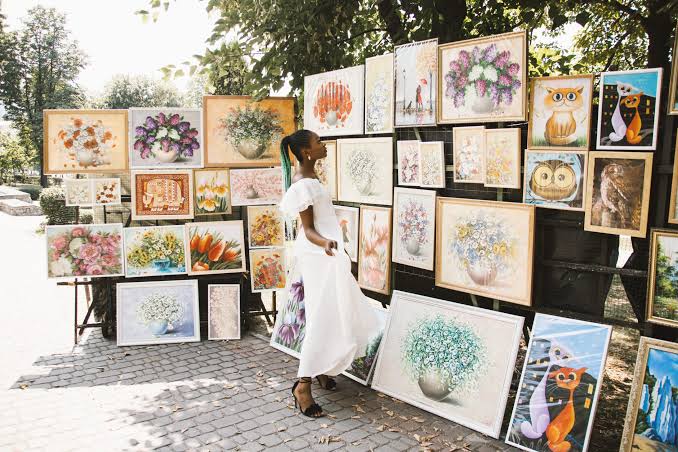
In some regions, attending local art fairs or joining artist collectives is a powerful way to connect with buyers.
Step 8: Offer Limited Editions
Creating a sense of exclusivity can elevate your art prints. Numbered and signed editions make buyers feel they own something truly special.
Step 9: Build Relationships with Buyers
Include handwritten thank-you notes with each order. These small gestures turn first-time buyers into loyal fans.
One artist included a tiny sketch with every thank-you note. Customers shared these online, creating a ripple of free publicity.
Step 10: Stay Patient and Persistent
Success doesn’t happen overnight. Keep refining your process, engaging your audience, and sharing your journey.
Remember, every sale isn’t just money earned—it’s your art finding a home, touching lives, and spreading joy.
Recommended Resources
- Tool: Canva – For creating promotional materials for your prints.
- Course: “Selling Art Online” on Skillshare – Learn from successful artists who’ve been in your shoes.
Starting your art print journey is not just about making sales; it’s about sharing your vision with the world in a more accessible way. Take it one step at a time, trust in your work, and let your art speak for itself.
 Worldwide Art Advocacy