
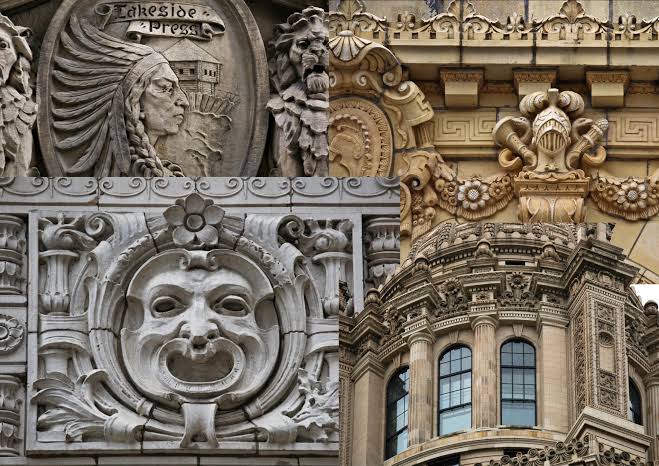
Architecture is frozen music, and ornamentation is its rhythm.
Architectural ornamentation has always been more than mere decoration—it’s a language of identity, status, belief, and craftsmanship. From ancient temples to modern-day facades, ornamentation reflects human ingenuity and cultural pride. In this post, we’ll dive into the world of architectural ornamentation, from the most delicate moldings to robust cement trims, exploring both traditional and modern styles across cultures.
Whether you’re an artist, architect, cultural researcher, or curious creative, this guide will open your eyes to the remarkable details that often go unnoticed in our built environment.
🏛️ What Is Architectural Ornamentation?
Architectural ornamentation refers to decorative elements added to buildings—externally or internally—for aesthetic, symbolic, or cultural purposes. These can be made of cement, stone, wood, metal, plaster, clay, or even glass. They not only beautify structures but also tell stories, signify regional heritage, or fulfill symbolic and religious roles.
🧱 Categories of Architectural Ornamentation
1. Moldings
These subtle yet elegant elements enhance transitions between surfaces, adding visual rhythm to interiors and facades:

- Cornice
- Crown molding
- Baseboard molding
- Panel molding
- Chair rails & picture rails
2. Reliefs
Sculpted artwork projecting from or sunk into surfaces:

- Bas-relief (shallow)
- High relief (prominent)
- Sunken relief (carved inward)
3. Columns & Pilasters
Vertical elements with strong sculptural and symbolic presence:

- Capitals (Corinthian, Doric, Ionic)
- Fluted shafts
- Pilasters (flat columns)
- Ornate bases

4. Friezes & Banding
Horizontal decorative bands:

- Friezes (often narrative or patterned)
- String courses
- Architraves
5. Decorative Cement & Concrete Work
Popular in contemporary African and South Asian architecture:

- Precast cement moldings
- Run mold cement artwork
- Facade trims for windows, parapets, and edges
6. Tracery & Latticework
Intricate cut-outs and framework:

- Stone tracery in Gothic windows
- Jali screens in Indian and Islamic design
7. Sculptural Ornamentation
Functional and symbolic:

- Gargoyles & grotesques
- Keystones
- Cartouches
8. Roofline & Gable Elements
Adding flourish at the highest architectural points:

- Finials
- Parapet coping
- Corbels
9. Door & Window Embellishment
Creating grand entrances and visual depth:

- Pediments
- Lintels
- Decorative trims & beads
10. Ceiling & Wall Features
Interior elegance through shape and texture:

- Ceiling medallions
- Rosettes
- Plaster ornamentation
11. Cultural & Regional Patterns
Unique to various world cultures:

- Arabesques (Islamic)
- Terracotta tiles (Indian, African)
- Nok-inspired reliefs (West Africa)
- Baroque/Rococo motifs (Europe)
- African cement facade murals
🌍 Why It Matters: Ornamentation as Cultural Identity
Many modern architectural movements favored minimalism, but ornamentation is experiencing a comeback—especially in regions where traditional crafts are celebrated. In African and South Asian architecture, window trims, jali screens, parapet designs, and cement-based wall art remain popular.
These forms of artistry preserve cultural heritage, foster local craftsmanship, and offer a platform for expression—making them a vital part of global art advocacy.
🛠️ Explore Artists Specializing in Architectural Ornamentation
We’re curating a growing list of global artists specializing in:
- 🪟 Window Trims & Frames
- 🏛️ Pillar Designs
- 🧱 Parapet & Balcony Ornaments
- 🪜 Arch & Dome Ornamentation
- 🎭 Traditional & Cultural Patternwork
- 🌬️ Jali Screens & Ventilation Grilles
- 🚪 Door Surrounds & Entryway Designs
- 🌆 Facade Reliefs
Each page features artists from around the world and provides a space for new submissions.
📩 Are You an Architectural Ornamentation Artist?
Do you work with facade reliefs, trims, cement crafts, sculptural pillars, or traditional ornamentation?
👉 Submit your portfolio here to be featured on our Global Art Forms pages.
🔗 Related Pages
- 🌐 Global Art Forms – Explore art by medium, technique, and style.
- 📚 Books on Architecture & Ornamentation – Recommended reads for artists and scholars.
- 🧰 Art Supplies & Tools – Find materials for your craft.
 Worldwide Art Advocacy