
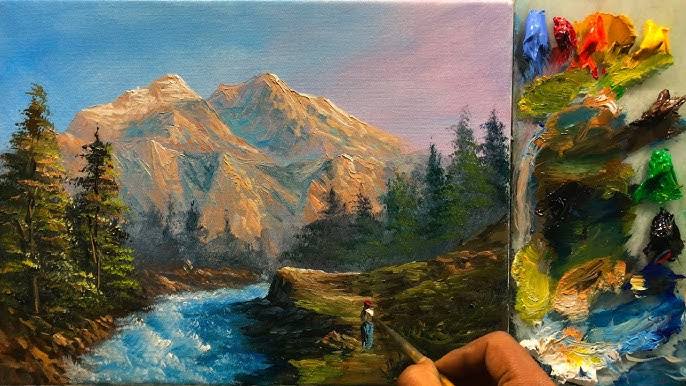
A Step-by-Step Guide for Beginners
Imagine capturing the calm of a misty morning, the glow of a golden sunset, or the quiet majesty of mountains—all on canvas. With acrylic paint, creating beautiful landscape art becomes accessible even to beginners. This guide breaks down the essentials into simple, creative steps to help you paint your first acrylic landscape with confidence.
Why Choose Acrylics for Landscapes?
- Quick-drying: Perfect for layering without long waits.
- Beginner-friendly: Easy to handle and forgiving for mistakes.
- Versatile: Works well on canvas, paper, wood, and more.
Materials You’ll Need
– Acrylic paints (basic colors: white, black, blue, red, yellow, green)
– A few flat and round brushes
– Canvas or thick acrylic paper
– Palette for mixing colors
– Cup of water and paper towels
– Pencil (for sketching outline)
Step-by-Step Instructions
1. Choose Your Scene
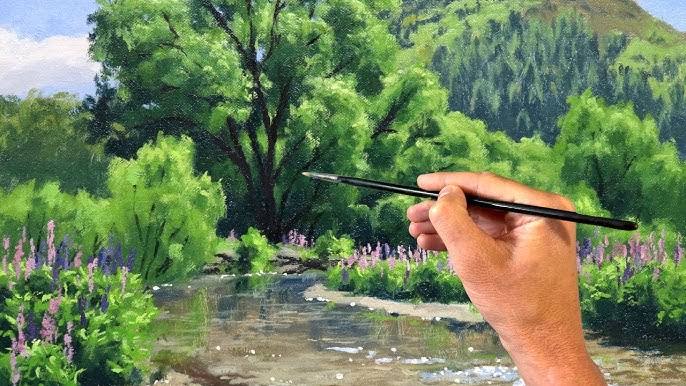
Start simple. A serene field, distant hills, or a beach with a horizon line is great for first-timers. You can use a reference photo or imagine your own scene.
2. Sketch the Basic Layout
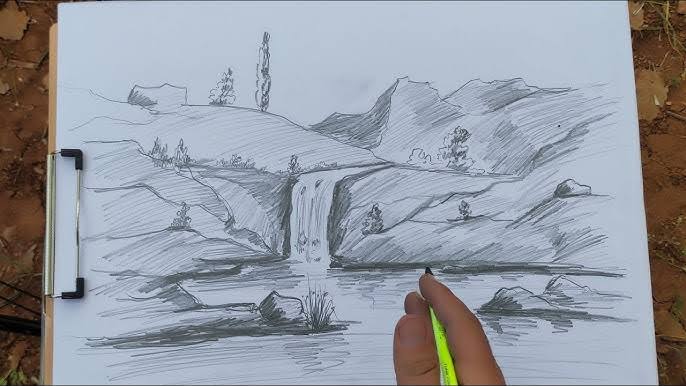
Use a pencil to lightly sketch the horizon line and major elements—like trees, mountains, or a river. Keep the composition balanced and not too detailed.
3. Block in the Sky and Background
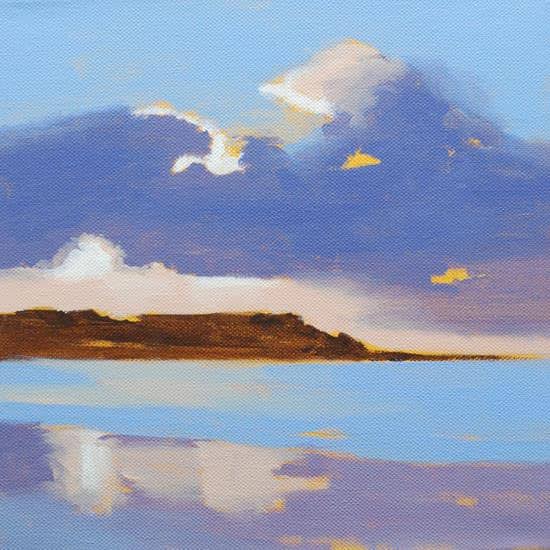
Begin with the lightest area—usually the sky. Use a large flat brush to apply soft blues or warm tones, blending as needed. Work your way from background to foreground.
4. Add Layers for Depth
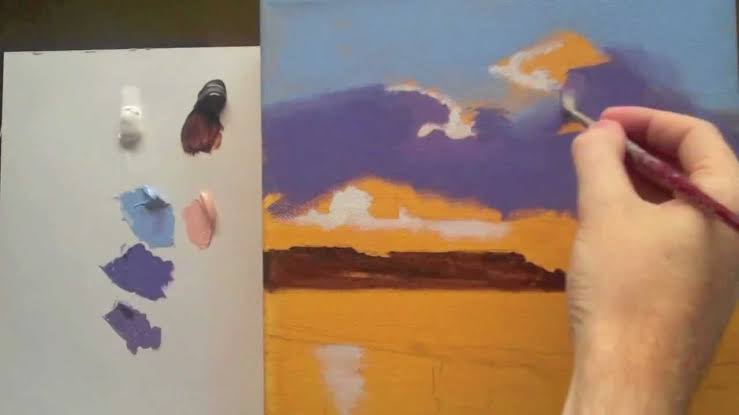
As acrylic dries quickly, you can layer colors to create depth. Paint distant mountains with muted colors and foreground elements with bolder tones.
5. Mix Colors Creatively
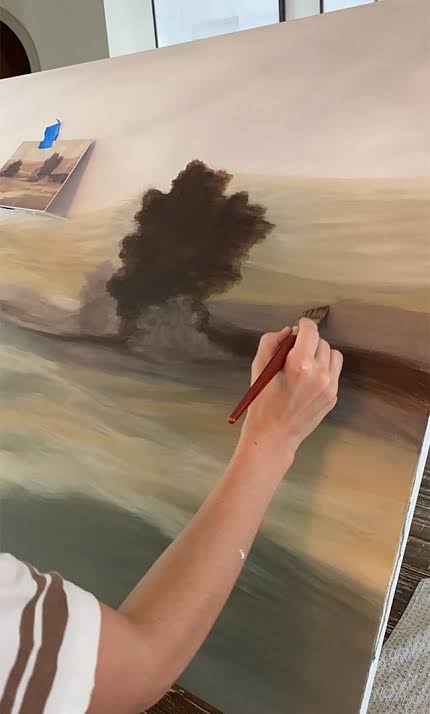
Don’t rely on colors straight from the tube. Mix blues and yellows for a range of greens, or reds and browns for earthy tones. Experiment—it’s part of the fun.
6. Work on Details Last
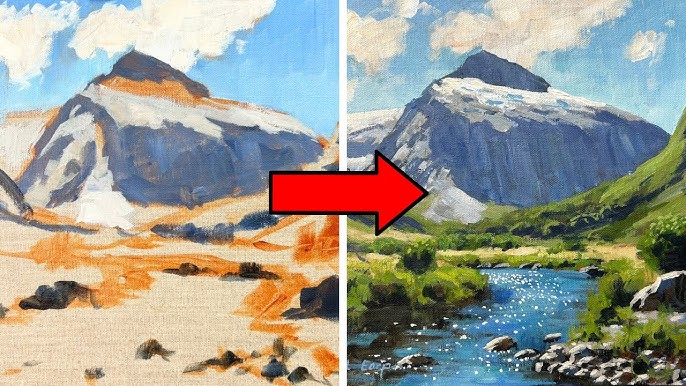
Once your base is dry, add texture with small brushes: grass strokes, tree leaves, reflections on water, or highlights where the sun hits. Details bring the scene to life.
7. Final Touches and Highlights
Use white or lighter tints to enhance highlights and shadows for contrast. These final strokes add realism and atmosphere to your piece.
Pro Tips
- Keep a spray bottle to mist your palette and prevent acrylics from drying out too fast.
- Use a dry brush technique to create texture in clouds or grass.
- Don’t overwork your painting—sometimes less is more.
Want to Share Your Landscape Art?
Join the Global Art Forms platform and showcase your acrylic landscapes to a worldwide audience. Artists from every region are invited to participate.
Ready to be seen? Submit your landscape artwork through our portfolio submission form today.
Also discover inspiring residencies to elevate your landscape painting journey: Global Art Residencies.
 Worldwide Art Advocacy