
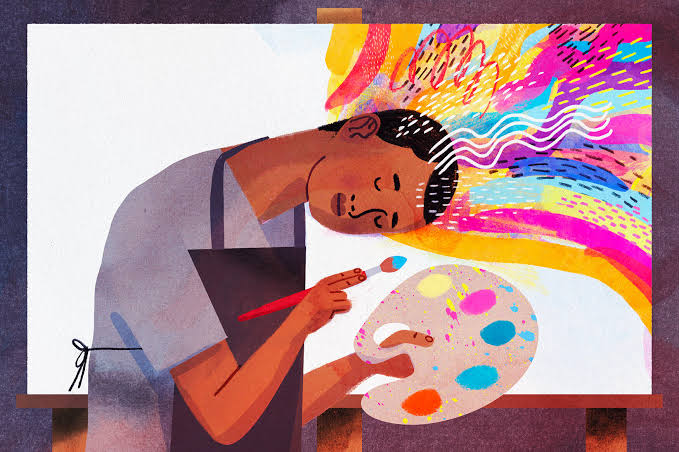
In a world that often feels overwhelming, art provides a space where emotions can find expression without words. Whether through painting, sculpting, writing, or simply doodling, creative activities have the power to soothe the mind and heal the soul. For centuries, art has not only been a form of self-expression but also a profound tool for mental health—a concept that has evolved into what we now call art therapy.
Let’s explore the transformative relationship between art and mental health and how creativity serves as a bridge to emotional well-being.
Art as a Universal Language
Art transcends language, culture, and background. Think about it—whether it’s a child drawing with crayons, an elder weaving intricate patterns, or a graffiti artist spray-painting a wall, art speaks directly to the heart. It communicates joy, sadness, anger, or hope in ways that words often fail to.
For example, in many Indigenous cultures, art is used to preserve stories, celebrate life, and process grief. From the intricate sand mandalas of Tibetan monks to the vibrant papel picado of Mexico, art has always played a central role in emotional and communal healing.
What Is Art Therapy?
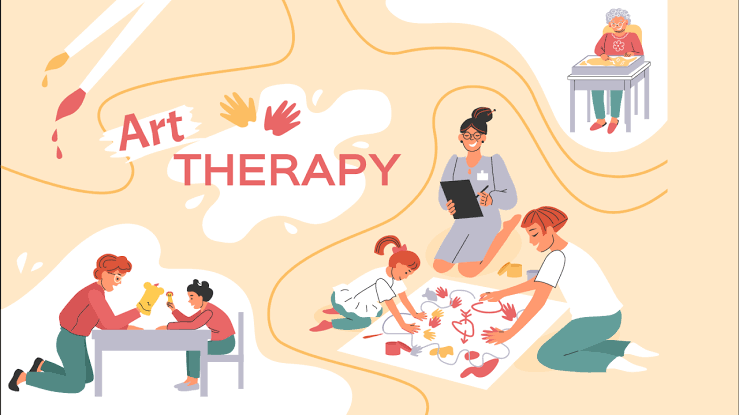
Art therapy is a form of psychotherapy that uses creative activities to help people explore their feelings, reduce anxiety, and improve mental well-being. It’s not about creating museum-worthy pieces—it’s about the process, not the product.
An art therapy session might involve drawing, painting, sculpting, or collage-making. The goal is to express emotions in a safe, nonjudgmental space. Even something as simple as scribbling on paper can help unlock deeply buried emotions, offering relief and clarity.
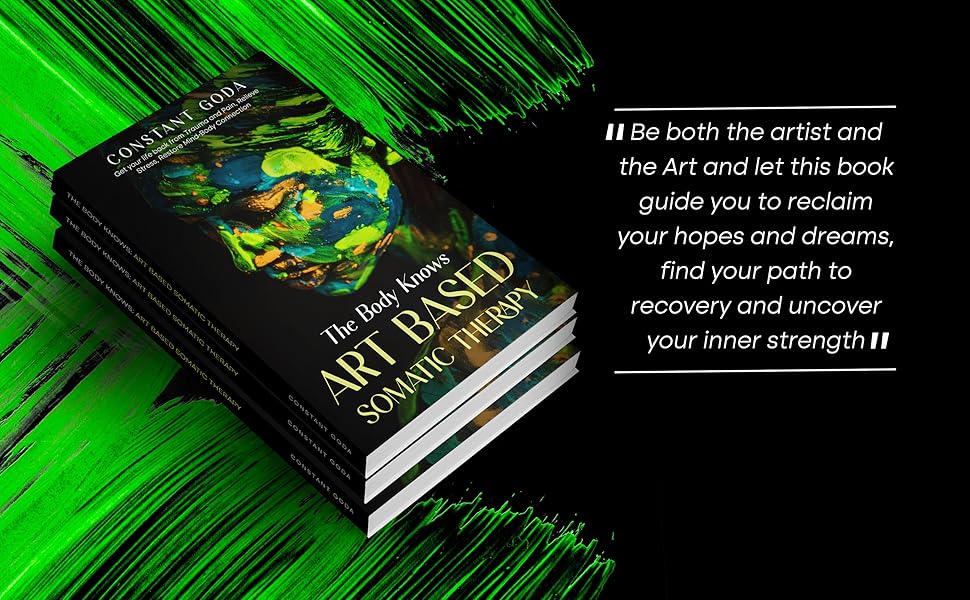
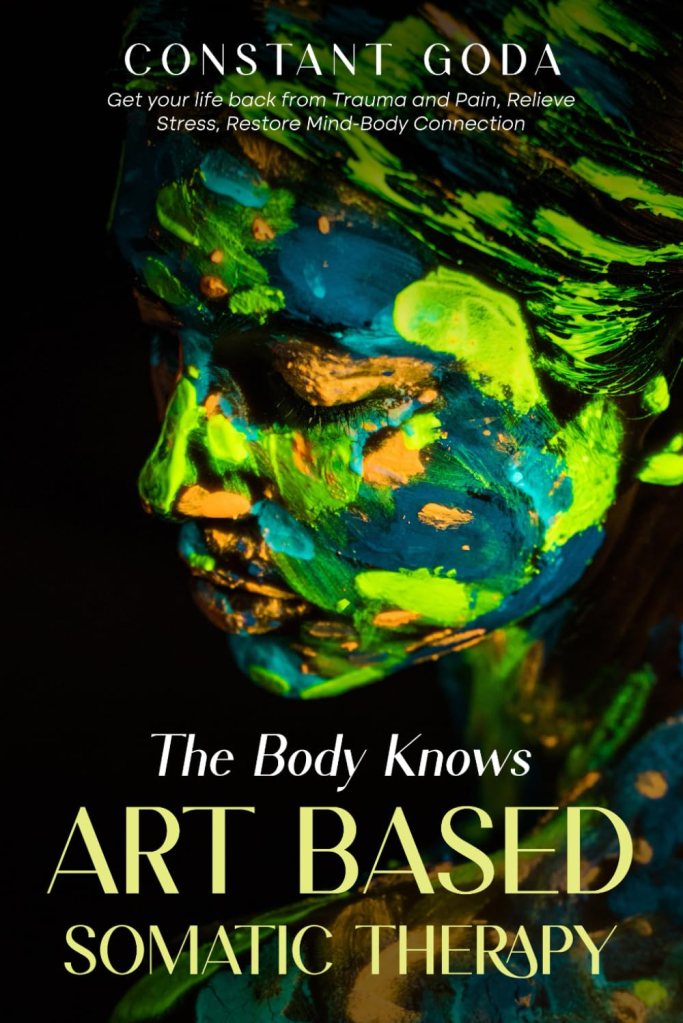
Author: GODA CONSTANT
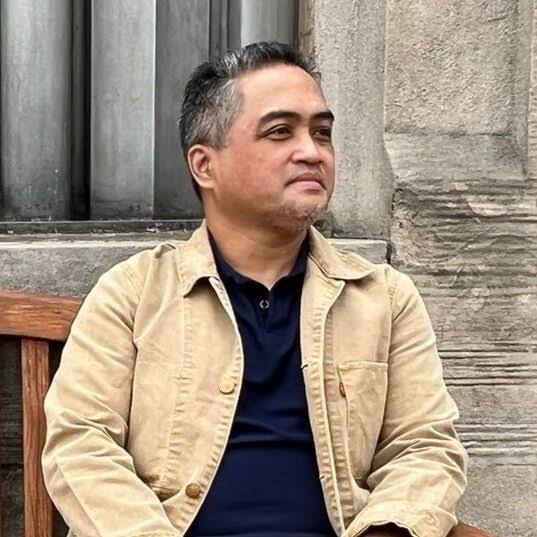
“I first discovered the power of Somatic Exercises during a particularly challenging period in my life. Juggling the demand of a high-stress job and personal responsibilities. I felt a constant sense of being overwhelmed. My body ached, my mind raced, and i struggled to find a sense of peace. It was during this time that i stumbled upon Somatic Exercises. Through gentle movements and mindful practices. I began to reconnect with my body, release stored tension and find a sense of calm I hadn’t experience in years. This personal journey inspired me to create this book and to share this powerful technique with others who may be struggling with the same challenges.”
Constant Goda is a seasoned Medical Laboratory Scientist with over 25 years of experience in Healthcare. He has been an avid advocate of Somatic Techniques, passionately promoting their benefits for mental and physical well-being. He has also published several books on topics ranging from personal development to somatic art therapy. Today Constant is married with 2 children and lives in the dynamic city of Kansas City, Missouri.
The Science Behind Art and Mental Health
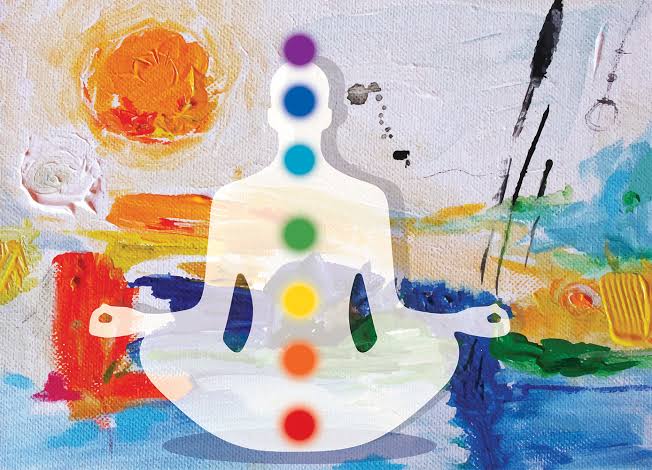
Creating art has measurable benefits for the brain. When we engage in creative activities:
Stress hormones decrease. Studies show that making art lowers cortisol levels, the hormone associated with stress.
Endorphins are released. Like exercise, art stimulates the release of feel-good chemicals.
Mindfulness increases. The act of focusing on colors, shapes, and textures keeps us present, helping to quiet racing thoughts.
Personal Insights: Finding Calm in Creativity
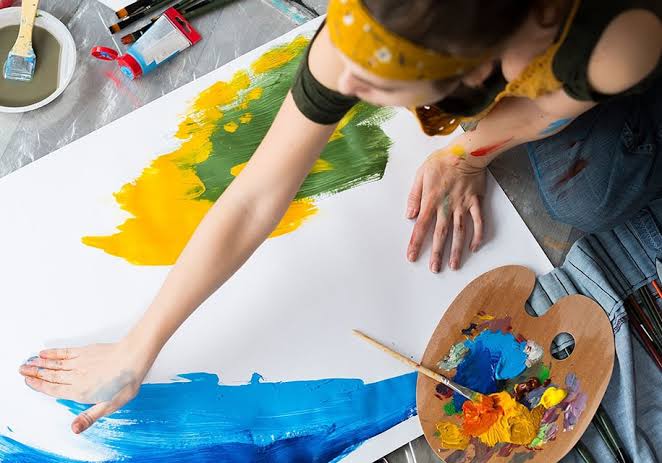
I remember a friend who was struggling with anxiety after losing a loved one. She picked up a sketchbook on a whim and began drawing every day. At first, it was just abstract lines and shapes, but gradually, her sketches became more detailed, reflecting her emotions. She later told me, “Drawing became my therapy. It helped me process my grief in a way that talking never could.”
This is the magic of art—it allows us to externalize internal struggles. When emotions are too tangled to verbalize, a canvas or sheet of paper becomes a safe space to explore them.
Examples of Art Therapy in Practice
- Healing Trauma
For trauma survivors, expressing emotions through art can be less intimidating than talking. Veterans with PTSD, for example, have found relief in programs where they create masks or murals that reflect their inner experiences.
- Managing Anxiety and Depression
Mandala coloring books are popular for a reason. The repetitive patterns and soothing colors help calm the mind and reduce anxiety. Similarly, journaling with sketches or mixed media can provide a daily outlet for emotions.
- Supporting Mental Health in Children
In pediatric hospitals, art therapy is often used to help children cope with illness or medical procedures. Drawing their feelings can empower kids to express fears they might not fully understand.
Practical Tips: Using Art for Emotional Well-Being
- Start Small
Don’t worry about being “good” at art. Begin with simple activities like doodling, watercolor washes, or clay modeling. - Focus on the Process
Enjoy the act of creating rather than fixating on the outcome. Play with textures, colors, and mediums without judgment. - Create a Routine
Set aside 10–15 minutes a day for art. Over time, it can become a meditative practice. - Explore Guided Activities
Look for art therapy books or online prompts. For example, The Artist’s Way by Julia Cameron offers exercises to reconnect with creativity. - Join a Community
Consider group art sessions or community workshops. Sharing your creative journey with others can foster connection and reduce feelings of isolation.
Cultural Perspectives on Art and Healing
In Japan, the art of kintsugi—repairing broken pottery with gold—symbolizes finding beauty in imperfection and healing. Similarly, African tribal art often incorporates storytelling elements that provide catharsis and preserve history.
By understanding these cultural nuances, we see how art is universally intertwined with emotional resilience and healing.
Why Art Matters for Mental Health
Art reminds us that we’re not alone. It’s a form of self-care that connects us to our emotions, to others, and to something greater than ourselves.
Whether you’re navigating a challenging period or simply seeking a creative outlet, art has the power to heal. It doesn’t require fancy tools or a degree in fine arts—just a willingness to pick up a brush, pen, or needle and let your emotions flow.
So, the next time life feels overwhelming, turn to art. Paint your stress, draw your dreams, or sculpt your fears. In the process, you might just discover a pathway to peace.
Recommended Book
 Worldwide Art Advocacy