
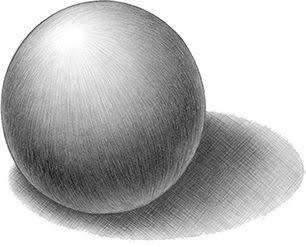
Chiaroscuro is one of the most evocative techniques in art, a centuries-old method that breathes life into paintings, drawings, and even photography by creating dramatic contrasts between light and shadow. Derived from the Italian words chiaro (light) and scuro (dark), chiaroscuro allows artists to shape form, evoke emotion, and guide the viewer’s eye through the composition.
Let’s delve into the world of chiaroscuro, exploring its origins, impact, and how you can use it to elevate your art.
A Brief History of Chiaroscuro
The concept of chiaroscuro dates back to the Renaissance, when artists like Leonardo da Vinci and Caravaggio revolutionized how light and shadow were used to create depth and realism.
Renaissance Beginnings
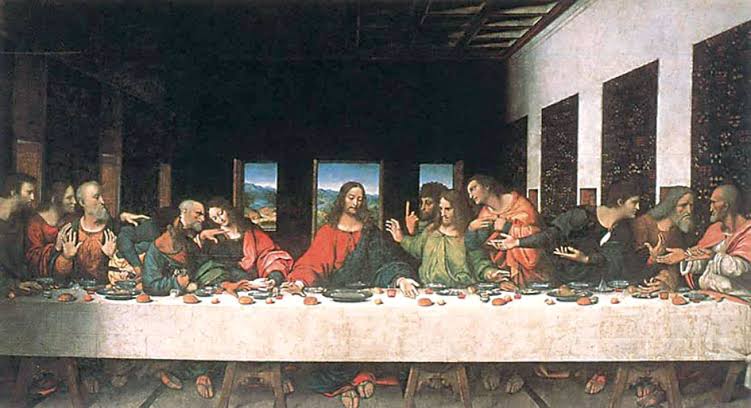
Leonardo da Vinci was among the first to explore chiaroscuro in depth. His sketches and paintings, such as The Last Supper, demonstrate his mastery of shading, where light softly reveals contours and creates a lifelike presence.
Baroque Drama
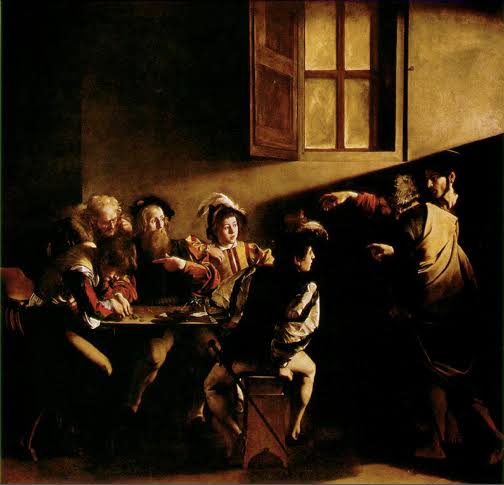
The technique reached its dramatic zenith during the Baroque period. Artists like Caravaggio and Rembrandt used chiaroscuro to craft intense, theatrical scenes. Caravaggio’s The Calling of Saint Matthew, for example, is a masterclass in directing the viewer’s attention through the interplay of light and dark.
Why Chiaroscuro Matters in Art
Chiaroscuro is more than a visual effect—it’s a storytelling device. By manipulating light and shadow, you can:
- Add Depth: Make flat surfaces appear three-dimensional.
- Evoke Emotion: Dark shadows and bright highlights create tension, mystery, or intimacy.
- Focus Attention: Lead the viewer’s eye to key elements in your work.
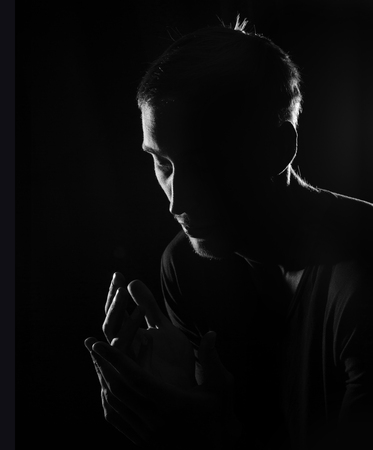
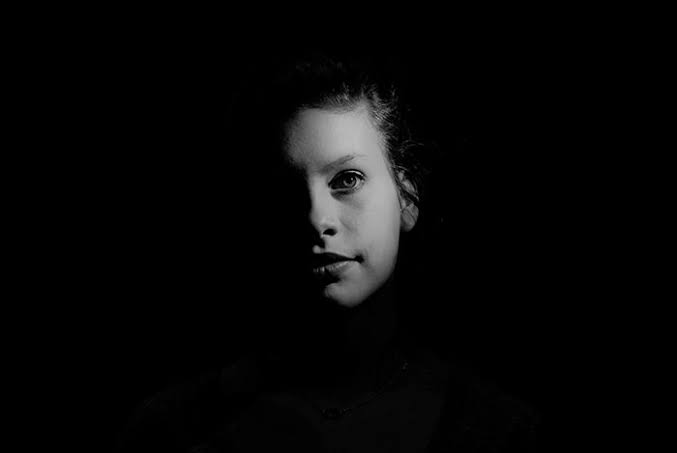
Imagine a portrait: soft shadows contour the cheekbones, while a beam of light emphasizes the subject’s eyes. The result? A dynamic, emotionally charged image that captivates the viewer.
How to Use Chiaroscuro in Your Art
- Observe Light in the Real World
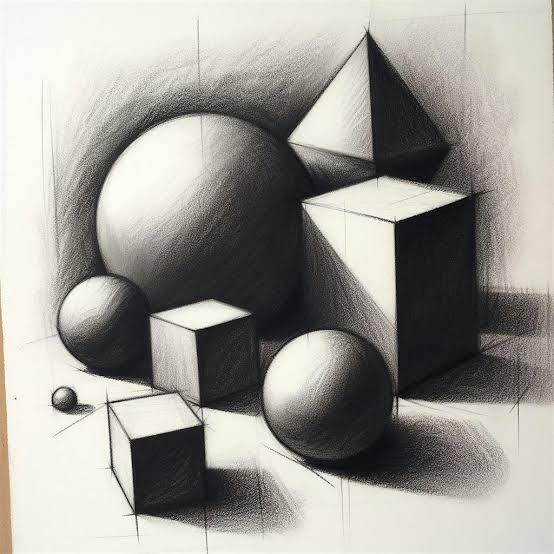
Study how natural and artificial light interacts with objects around you. Pay attention to the transition from light to shadow, and notice how it defines shape and texture.
- Set Up a Lighting Experiment
Place an object under a single light source in a dark room. Move the light around and observe the changes. This simple exercise will help you understand how light direction affects shadow placement and intensity.
- Sketching with Light and Shadow
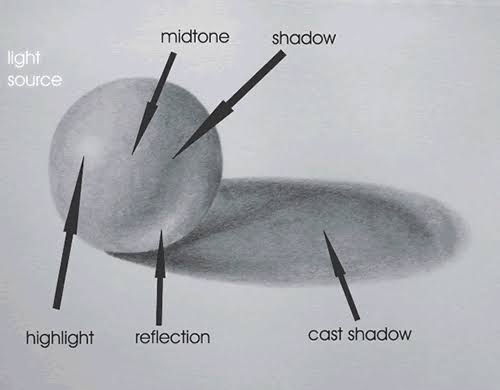
Start with pencil or charcoal to practice shading. Focus on:
Highlights: The brightest areas where light hits directly.
Core Shadows: The darkest parts, away from the light source.
Midtones: The transitional areas between light and dark.
Cast Shadows: Shadows created by an object blocking the light.
- Experiment with Composition
Incorporate light and shadow as compositional elements. For example:
Use shadows to frame a subject or lead the viewer’s eye.
Place the brightest highlight on your focal point to draw attention.
- Apply in Different Mediums
Painting: Use oil paints to blend smooth gradients, or acrylics for crisp contrasts.
Photography: Shoot in controlled lighting conditions to capture chiaroscuro effects, or use post-editing tools to enhance contrasts.
Sculpture: Play with light placement to cast dynamic shadows that interact with the piece.
Famous Examples of Chiaroscuro
- Caravaggio’s The Calling of Saint Matthew
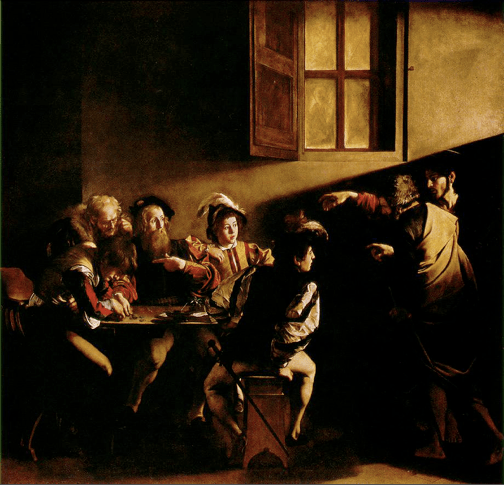
This masterpiece is a hallmark of chiaroscuro. The sharp beam of light illuminating Matthew amidst a dark background heightens the drama and spiritual intensity of the moment.
- Rembrandt’s Portraits
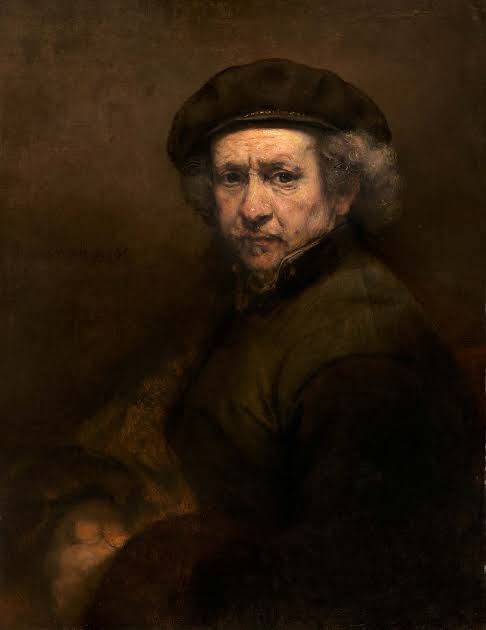
Rembrandt’s self-portraits showcase his ability to use light and shadow to reveal not just physical features, but also emotion and character.
- Vermeer’s Girl with a Pearl Earring
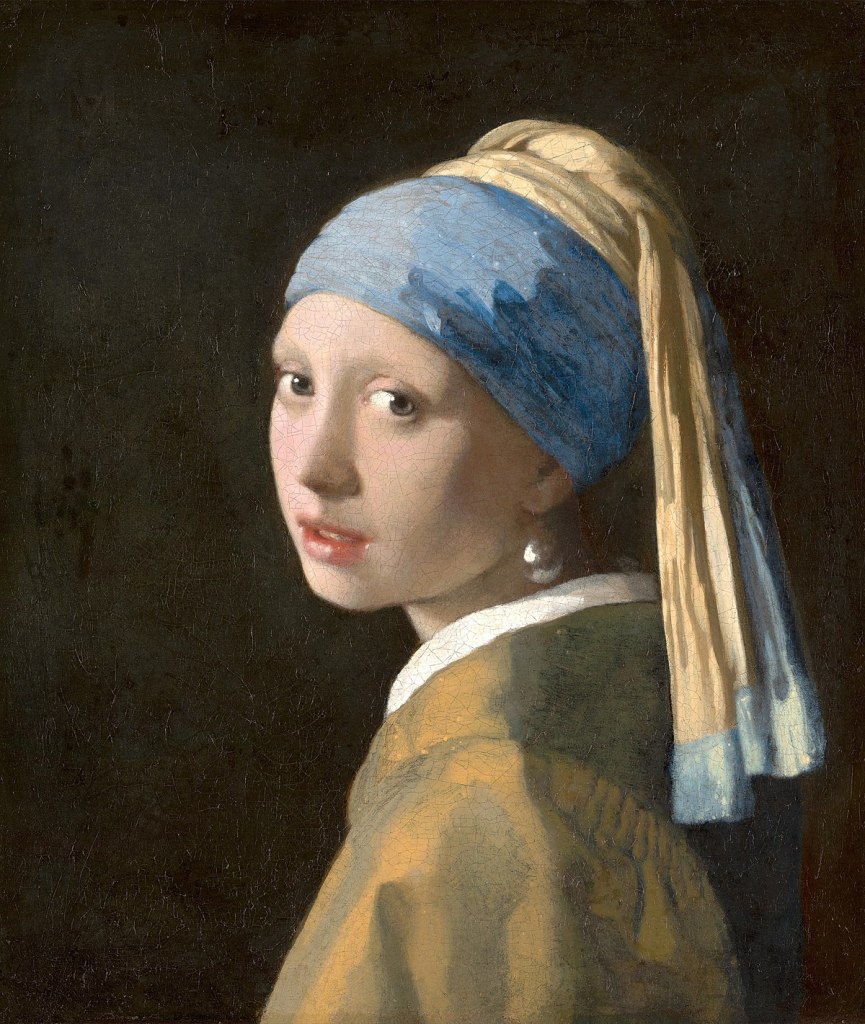
Though subtler, Vermeer’s use of light on the girl’s face and the soft transition into shadow creates an intimate, timeless feel.
Modern Applications of Chiaroscuro
The technique isn’t confined to classical art—it’s alive in modern works.
Cinema: Directors like Alfred Hitchcock and Christopher Nolan use chiaroscuro lighting to craft suspenseful, visually striking scenes.
Graphic Novels: The bold contrasts of light and dark in comics like Sin City echo classical chiaroscuro techniques.
Photography: Black-and-white photography, in particular, thrives on the dramatic interplay of light and shadow.
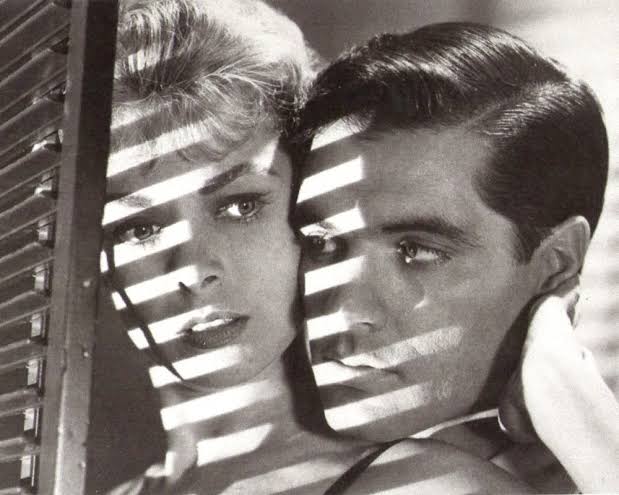
Embracing Chiaroscuro in Your Work
Chiaroscuro invites you to think beyond color and focus on the interplay of light and shadow. Here’s how to get started:
Practice Daily: Create quick sketches focusing solely on light and shadow.
Seek Inspiration: Study the works of chiaroscuro masters and analyze their techniques.
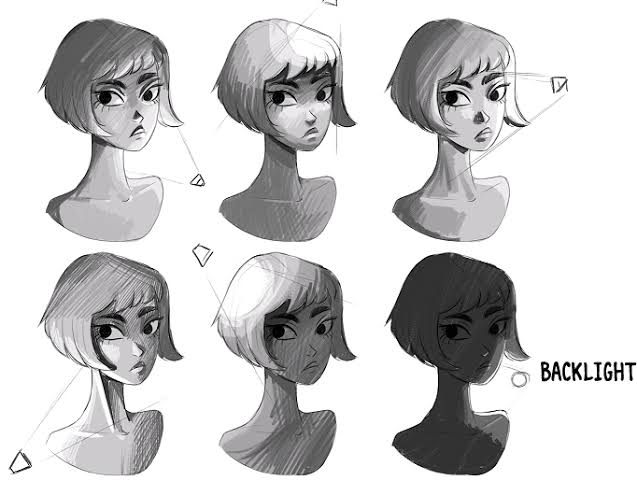
Experiment Fearlessly: Don’t be afraid to push contrasts to their extremes.
Recommended Book
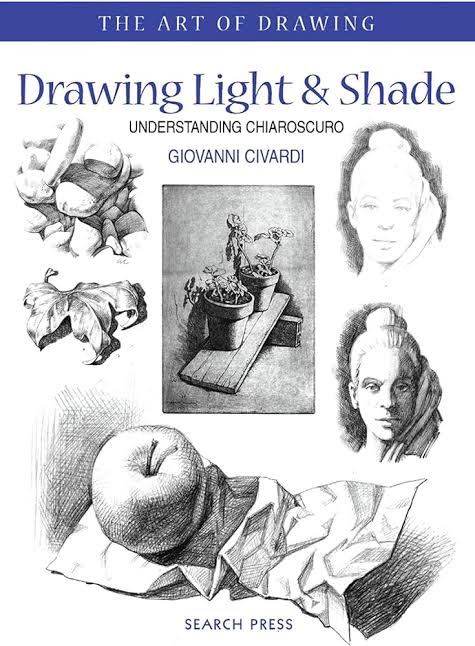
Art of Drawing: Drawing Light and Shade: Understanding chiaroscuro: Amazon.co.uk:
Conclusion
Chiaroscuro is a timeless technique that bridges the gap between realism and drama. Whether you’re a painter, photographer, or sculptor, mastering the dance of light and shadow can transform your art into a compelling visual narrative.
So, next time you pick up your brush, camera, or chisel, think about how light can be your silent collaborator, shaping your work and telling your story.
 Worldwide Art Advocacy
One thought on “The Art of Chiaroscuro: Mastering Light and Shadow in Your Work”