Art has always been more than a reflection of the world—it is a call to action, a voice for the voiceless, and a force capable of shaping societies. Across history, artists have used their creativity to challenge injustices, inspire movements, and connect people around shared visions for a better future. Let’s explore how art becomes a catalyst for social change, weaving through cultures, moments, and emotions to leave an indelible mark on humanity.
Art as a Mirror and a Megaphone
Art has a unique ability to both reflect society and amplify its struggles. Unlike words alone, visual art, music, theater, and literature can cut through the noise, reaching hearts before minds.
Example:
Take Picasso’s Guernica. Created in response to the bombing of a Spanish town during the Spanish Civil War, this stark, chaotic masterpiece didn’t just depict suffering—it screamed it. The fragmented figures and haunting expressions brought global attention to the horrors of war, fueling anti-fascist sentiments worldwide.
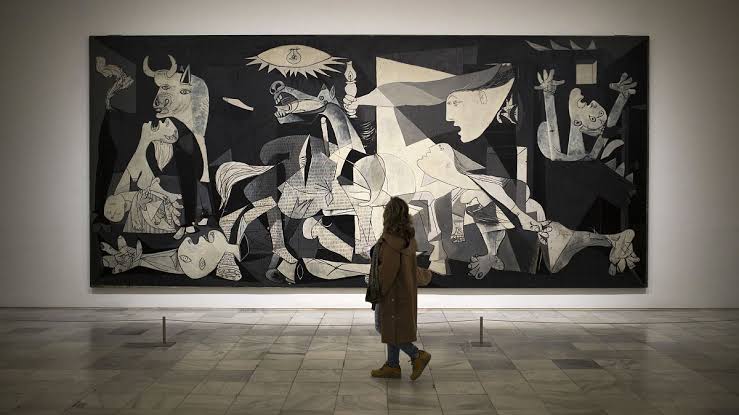
Seeing Guernica in person, is felt as though the painting itself was breathing—its pain and outrage radiating from every corner. It reminded us that art isn’t passive; it demands a reaction.
A Universal Language for Advocacy
Art transcends cultural and linguistic barriers, making it an ideal medium for advocacy.
Consider the quilts of the Gee’s Bend community in Alabama. Created by African American women, these quilts weren’t just functional—they were stories stitched from scraps of fabric, speaking to generations of resilience and oppression. Today, they are celebrated globally, reminding us of art’s ability to preserve and share history.
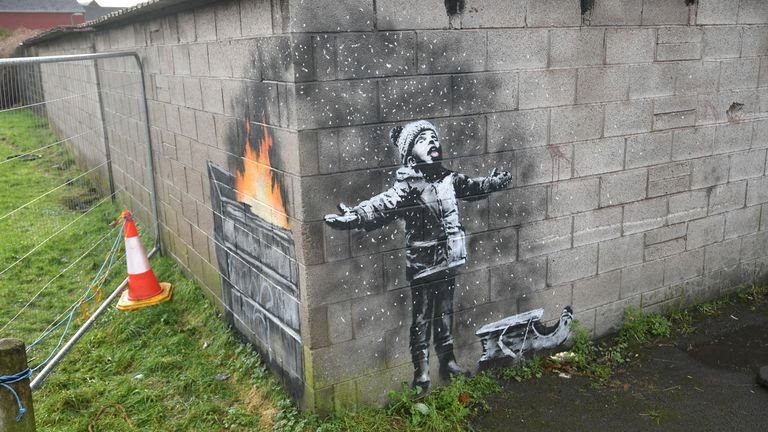
Similarly, Banksy’s street art often comments on social issues, from consumerism to refugee crises. His murals, appearing overnight in unexpected places, grab attention and provoke thought in ways that lengthy essays might not.
Art Fuels Movements
From the civil rights era to today’s climate change protests, art has been at the heart of social movements.
The Civil Rights Movement:
Artists like Jacob Lawrence and singers like Nina Simone provided visuals and soundtracks for the fight against racial injustice. Simone’s Mississippi Goddam became a rallying cry for change, blending pain and anger into a powerful anthem.
The LGBTQ+ Movement:
The rainbow flag, designed by Gilbert Baker in 1978, is more than a symbol—it’s a beacon of pride and hope. Paired with works like The Normal Heart by Larry Kramer, art has driven conversations about equality and acceptance.
Culturally, In Indigenous communities worldwide, art often plays a dual role: as resistance and preservation. The paintings of Australian Aboriginal artists, for instance, not only celebrate their connection to the land but also protest its exploitation.
Empathy Through Storytelling
Art fosters empathy by allowing us to step into someone else’s shoes, if only for a moment.
Example:
Films like 12 Years a Slave and books like The Kite Runner transport audiences into lives shaped by systemic oppression or cultural divides. These stories don’t just entertain—they educate, challenge prejudices, and inspire action.
Empathy isn’t just felt; it’s sparked, ignited by art’s ability to translate the abstract into the tangible.
Art and Modern Activism
In the digital age, art has found new platforms. Social media, for example, has become a gallery for grassroots activism.
Viral Visuals:
Remember the haunting photo of Alan Kurdi, the Syrian toddler washed ashore during the refugee crisis? Artists around the world transformed this tragic image into illustrations and installations, reigniting discussions on migration policies.
Collaborative Creations:
Murals like the ones painted during the Black Lives Matter protests in 2020 turned city streets into canvases of solidarity.
Participating in a community mural project focused on climate change. Watching people of all ages paint side by side, their stories merging on a single wall, is a testament to how art unites us in purpose.
The Emotional Power of Art
What makes art so effective in driving social change is its emotional resonance.
Example:
El Anatsui, a Ghanaian artist, creates massive sculptures from discarded bottle caps. His work speaks to waste, consumerism, and the impact of colonialism, but it also inspires awe with its beauty and scale.
Art connects us to causes in ways facts and statistics cannot. A report on deforestation might inform us, but a photograph of a lone orangutan in a felled forest breaks our hearts—and spurs us to act.
Art as a Tool for Healing
Social change often follows collective trauma, and art plays a vital role in healing communities.
Example:
After the 2011 earthquake and tsunami in Japan, projects like The Memory Salvage involved artists restoring damaged photographs for survivors. This blend of art and restoration helped people reclaim their histories and move forward.
Practical Ways Artists Can Drive Change
Collaborate: Partner with organizations or activists aligned with your values.
Create Public Art: Use accessible spaces like streets, parks, or public buildings to reach broader audiences.
Educate: Host workshops, talks, or exhibits that highlight social issues.
Donate or Fundraise: Use your art to raise money or awareness for causes you believe in.
Final Thoughts
Art doesn’t just reflect society; it shapes it. Whether through a mural, a protest song, or a novel, it has the power to ignite change and build bridges across divides.
Every time you pick up a brush, a pen, or a camera, you have the opportunity to contribute to a more just, empathetic, and connected world. So, what cause moves you? Let your art become its voice.
 Worldwide Art Advocacy