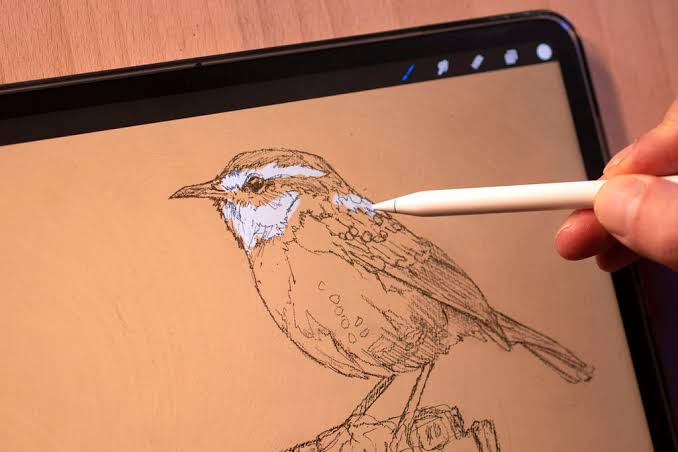
The art world is vast and ever-changing, blending tradition with technology in ways that spark creativity like never before. If you’re a traditional artist, the idea of integrating digital tools into your process might seem intimidating—or even unnecessary. But here’s the exciting part: digital tools aren’t here to replace traditional methods. They’re here to enhance them. Imagine combining the tactile beauty of brushstrokes with the limitless possibilities of digital design. Exciting, right?
Let’s explore how you can use digital tools to enrich your traditional art practice without losing the magic of your craft.
Why Use Digital Tools for Traditional Art?
Think of digital tools as a versatile toolbox that can help you:
- Expand Your Creative Boundaries: Explore ideas without the fear of wasting materials.
- Refine Your Techniques: Perfect compositions, test color palettes, or tweak details before committing to a canvas.
- Share Your Art Globally: Create high-quality reproductions, build an online presence, and connect with a broader audience.
When I first dabbled in digital tools, I worried it might dilute the authenticity of my traditional work. Instead, it did the opposite—it gave me a fresh perspective and more confidence to experiment.
Essential Digital Tools for Traditional Artists
You don’t need to invest in expensive software right away. Start with accessible, user-friendly tools and gradually explore more advanced options.
- Procreate
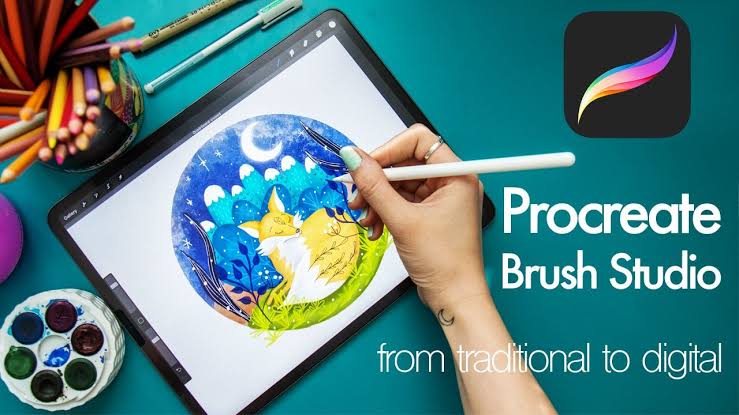
Perfect for sketching and planning compositions.
Offers customizable brushes that mimic traditional mediums like charcoal, watercolor, and oil paint.
Example: Before starting a large canvas painting, use Procreate to sketch your idea and experiment with colors.
- Adobe Photoshop
Ideal for photo editing, layering, and creating mock-ups.
Example: Scan your pencil sketch and refine it digitally, adjusting proportions or adding layers of texture.
- Canva
Great for creating promotional materials or mock-ups for clients.
Example: Design a poster featuring your artwork or draft an exhibition flyer.
- Artivive
This app bridges traditional art and augmented reality (AR).
Example: Bring your painting to life by layering an AR animation over it. Imagine a landscape where clouds move or a portrait that winks at the viewer.
- Drawing Tablets
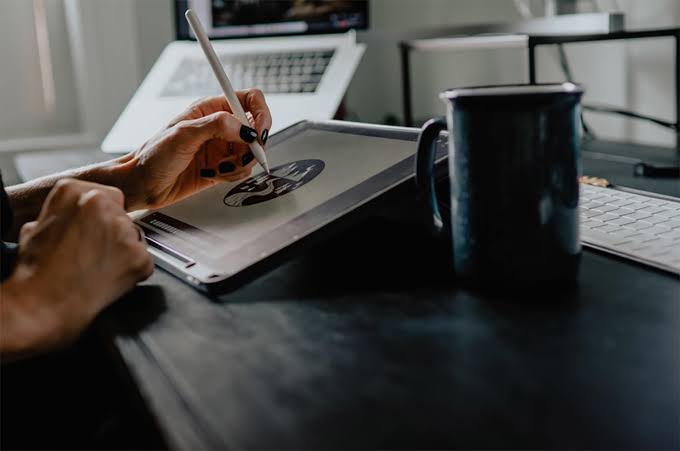
Tools like Wacom or iPad with Apple Pencil provide a natural drawing experience.
Example: Use a tablet for quick digital drafts or enhancements, then transfer your design to a physical medium.
How Digital Tools Complement Traditional Techniques
Planning and Experimentation
Digital tools are like your sketchbook, but with an undo button! You can test out:
Compositions: Arrange elements digitally before committing them to your canvas.
Color Schemes: Experiment with color harmonies to find the perfect palette.
Insight:
If you are going to paint a mural for a community project, start by designing the entire piece digitally before picking up a single paintbrush. This approach allows you to adjust proportions and fine-tune the color balance until everything feels just right, making the process much smoother.
Mixing Digital and Physical
You can seamlessly blend traditional and digital techniques:
Digital-to-Traditional Workflow: Create a digital sketch, print it, and use it as a base for your painting.
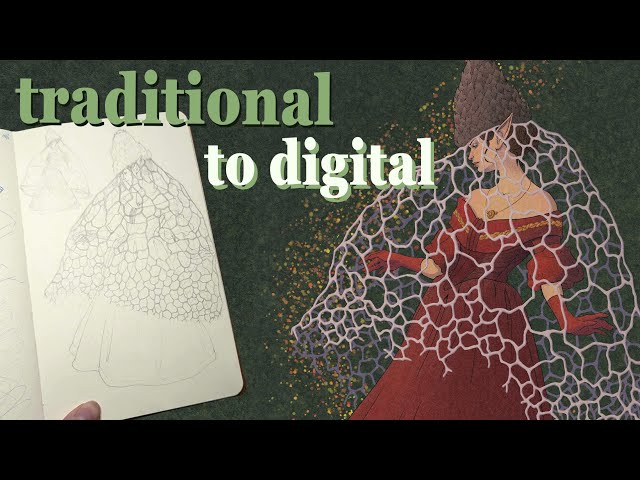
Traditional-to-Digital Workflow: Paint traditionally, scan your work, and add enhancements like lighting effects or textures digitally.
Example: Many watercolor artists scan their paintings to tweak saturation or remove blemishes digitally, ensuring a polished final product.
Sharing and Promoting Your Art
The digital age has revolutionized how we share art. Here’s how digital tools can help:
Create an Online Portfolio: Use platforms like Behance or Adobe Portfolio to showcase your work professionally.
Social Media Presence: Tools like Canva can help you design engaging Instagram posts or Pinterest pins to attract followers.
Print-On-Demand Services: Convert your traditional art into digital files for printing on products like tote bags, mugs, or posters.
Example: A friend of mine turned her traditional ink drawings into a digital collection for Etsy, reaching customers worldwide without leaving her studio.
Overcoming the Learning Curve
Let’s be real—learning digital tools can feel overwhelming. But it’s worth it. Start small:
Dedicate an hour each week to exploring a new app or feature.
Watch tutorials on YouTube or enroll in affordable courses on platforms like Skillshare or Udemy.
Experiment without judgment. The beauty of digital is that nothing is permanent—you can always hit undo!
Tip: Don’t aim for perfection right away. Think of it as playtime to spark creativity.
Artists worldwide are blending traditional styles with digital innovation in unique ways:
African Artists: Digital tools are being used to preserve and reimagine tribal patterns and textiles.
Japanese Artists: Combining traditional woodblock printing aesthetics with digital animation techniques.
Indigenous Artists: Using digital platforms to share ancestral art and stories globally.
Embracing cultural heritage through digital tools can create powerful, meaningful work.
Final Thoughts: A Harmonious Blend
Digital tools don’t diminish the value of traditional art—they enhance it. They’re like a supportive partner, helping you refine your vision and expand your reach. By combining the tactile joy of physical creation with the boundless possibilities of technology, you can unlock new dimensions in your work.
So, why not give it a try? Whether you’re sketching on Procreate, perfecting a composition in Photoshop, or simply digitizing your masterpiece for an online audience, the possibilities are endless. Embrace the fusion, and let your creativity flourish in this vibrant intersection of tradition and innovation.
 Worldwide Art Advocacy