
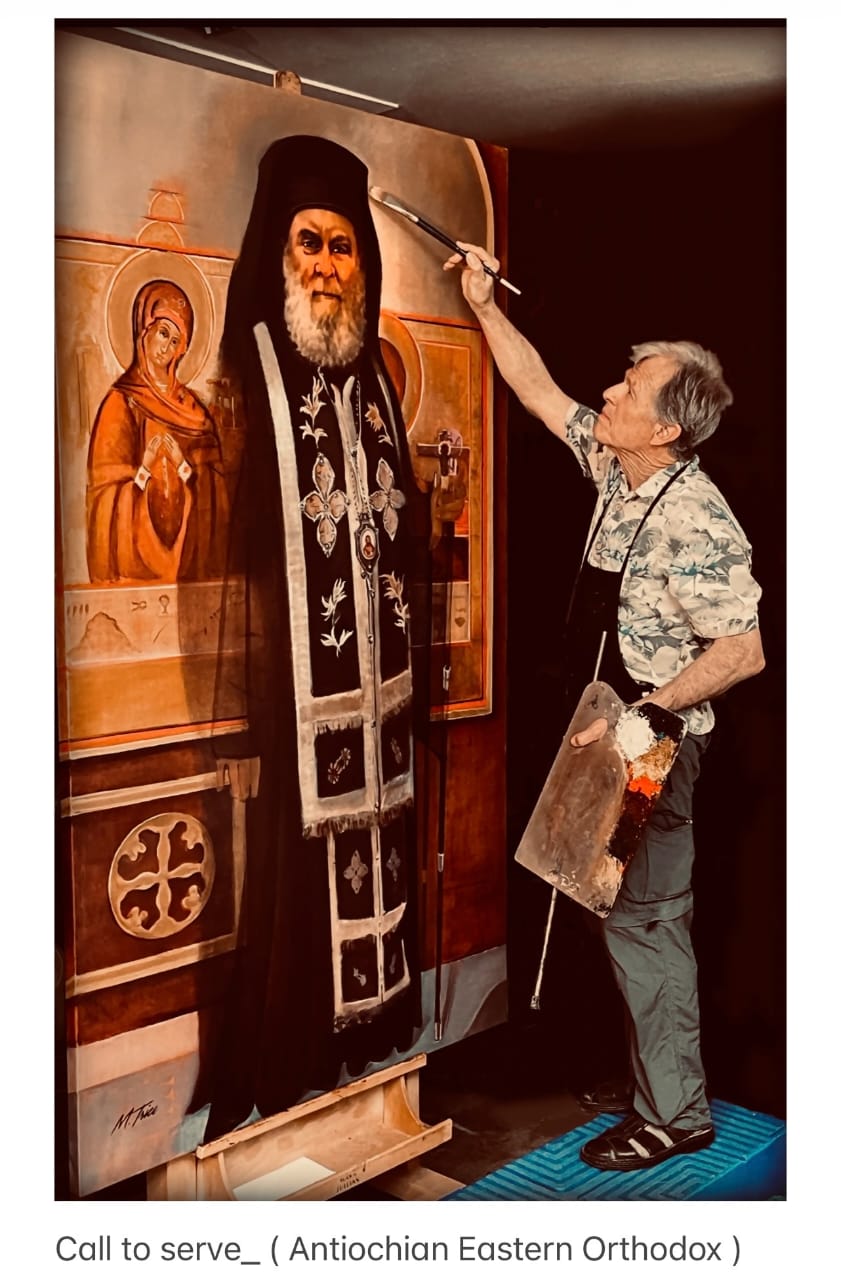
Artist: Milton R. Trice
Movement: Stereo-Realism
Milton R. Trice: Painting Beyond the Picture Plane
For most artists, the canvas is a boundary. For Milton R. Trice, it became a space to be broken, expanded, and reimagined.
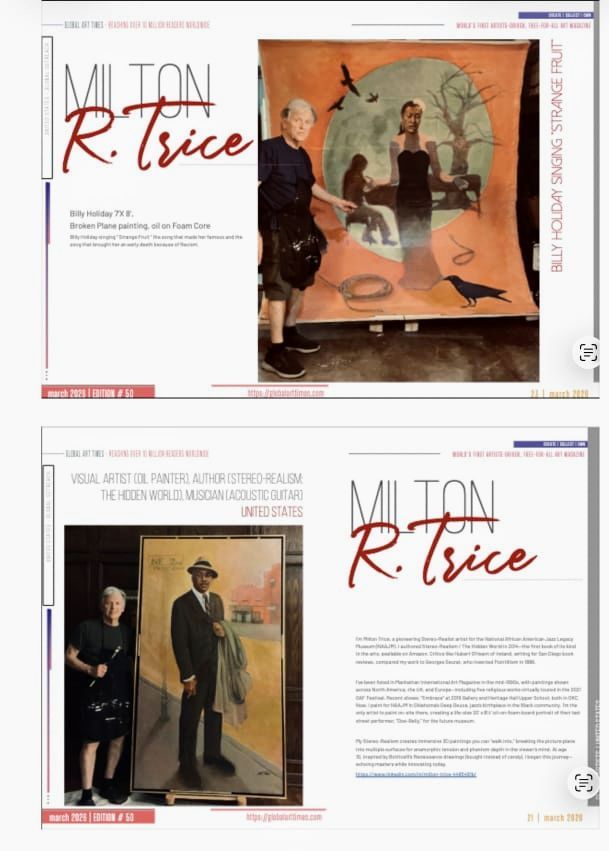
Not just an artist—he is the creator of a unique visual language known as Stereo-Realism, a style he describes as “painting you can walk into.” Based in Oklahoma, he is widely regarded as the only practicing Stereo-Realist in visual art today, pushing the boundaries of perception, space, and experience.
His work challenges the traditional limits of painting by transforming flat surfaces into immersive visual environments that engage the viewer’s mind in unexpected ways.
Early Inspiration: A Renaissance Beginning
Milton’s journey into art began at the age of ten in an unexpected place—a drugstore. While intending to buy candy, he instead encountered a reproduction of a Florentine youth by the Renaissance master Sandro Botticelli.

Captivated by its beauty, he made a life-changing decision.
Instead of candy, he bought a book of Botticelli’s paintings and began teaching himself how to draw by studying the master’s works.
Without realizing it, Milton was following the classical Renaissance apprenticeship method—learning by copying great masters before creating original works.
Education and Defining Choices
During high school, his talent earned him recognition from Oklahoma University, which awarded him the opportunity to attend summer classes at the prestigious School of the Art Institute of Chicago.
He was later offered a full scholarship, a path many would consider a dream. Yet, Milton made an unconventional decision—he turned it down, choosing instead to carve his own artistic direction.
The Birth of Stereo-Realism
Milton R. Trice is the originator of Stereo-Realism, a concept he formalized in his 2014 book:
Stereo-Realism / The Hidden World
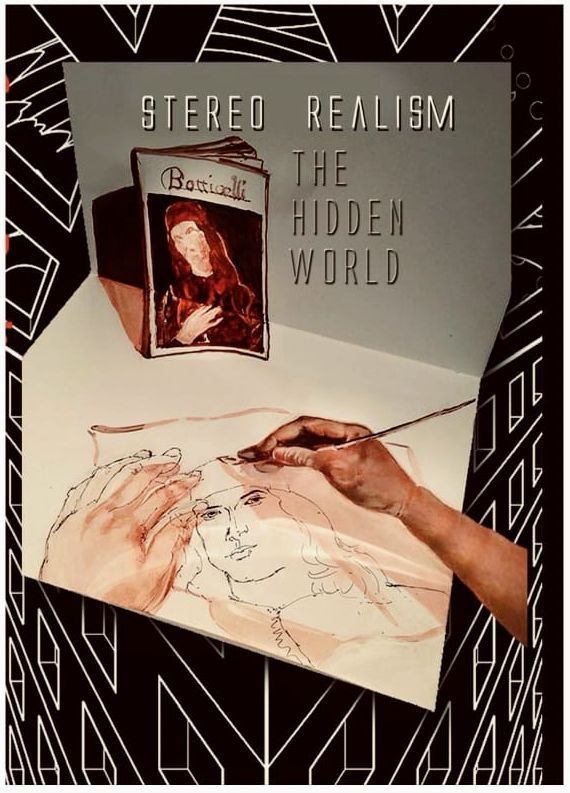
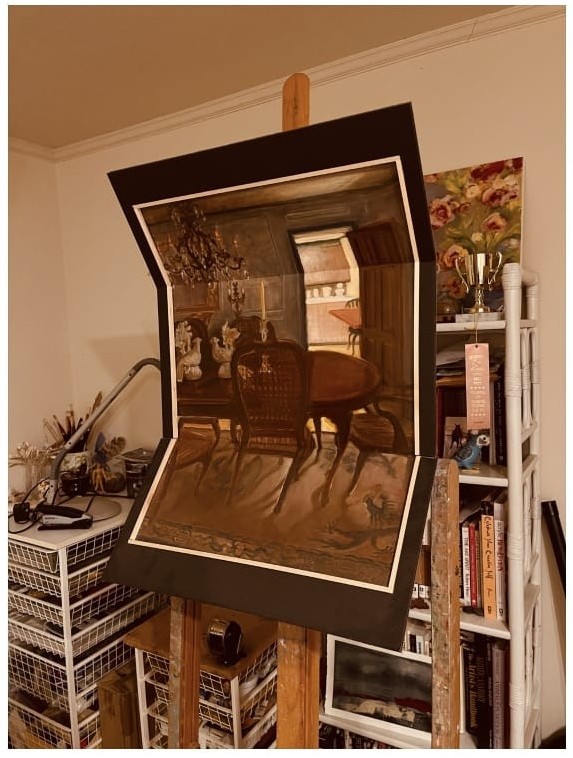
His approach breaks the traditional picture plane into multiple surfaces, creating what he describes as:
- Anamorphic tension
- Fragmented spatial planes
- Phantom depth within the viewer’s perception
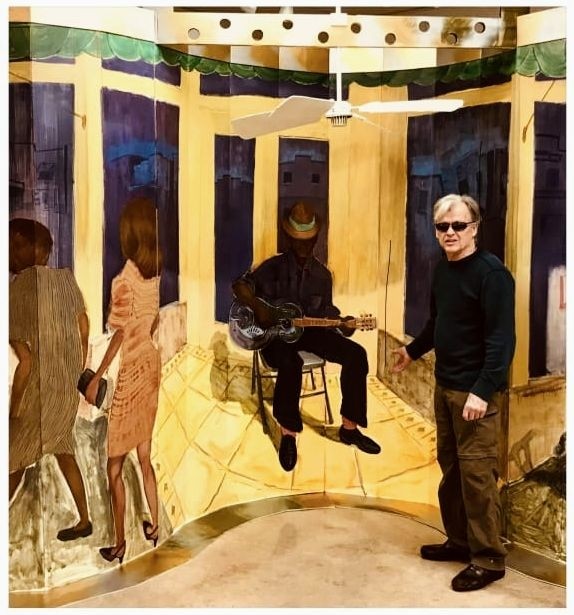
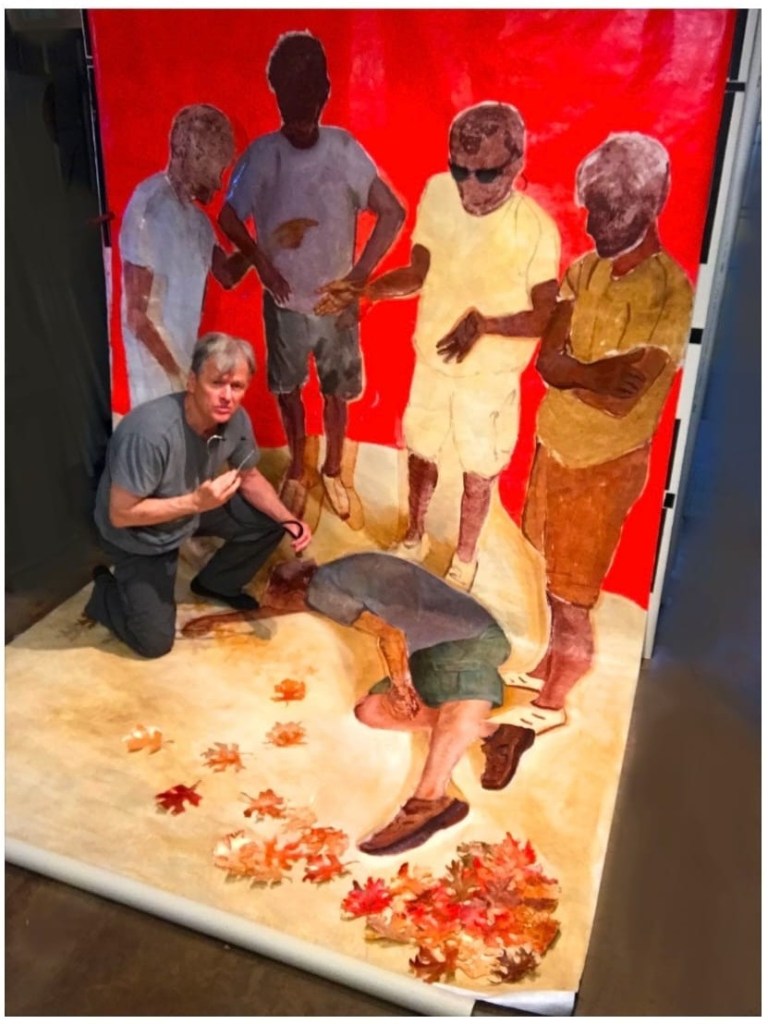
Rather than relying on actual 3D structures, his paintings create an illusion of dimensionality in the observer’s mind, allowing viewers to feel as though they can step into the artwork.
These “broken plane paintings” are considered the first of their kind, redefining how space and depth can be experienced in visual art.
Technique and Visual Experience
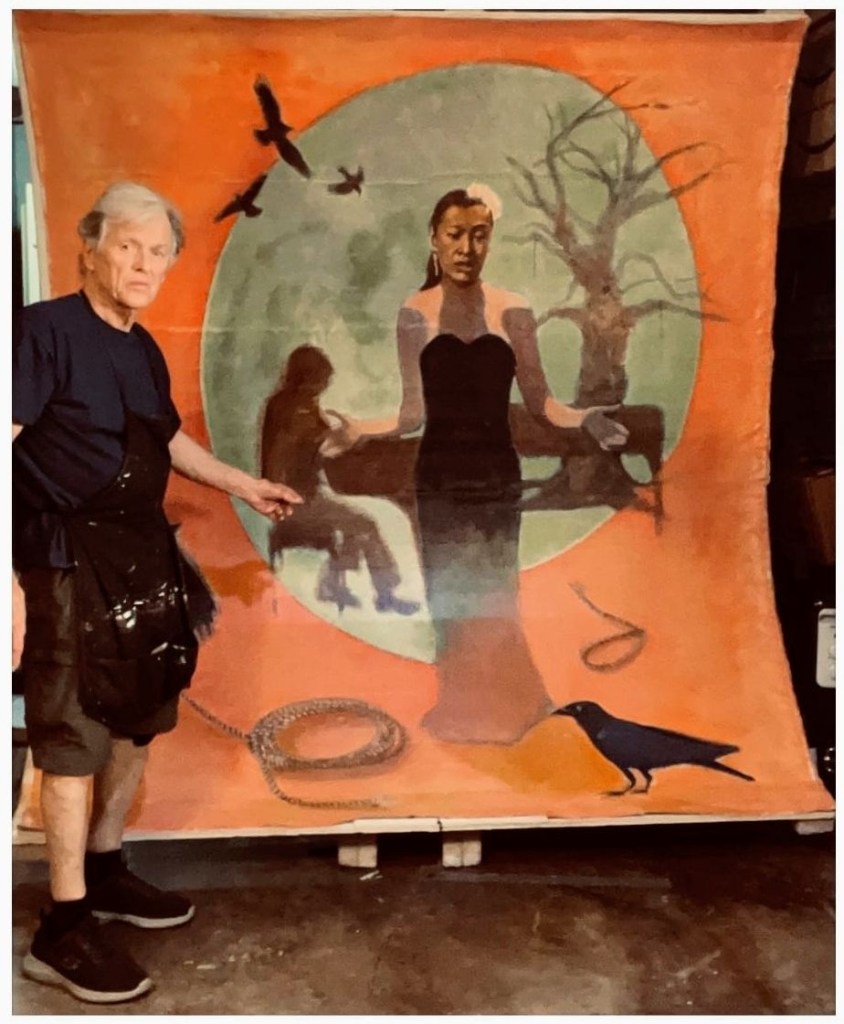
Milton’s works are often life-size compositions, designed to immerse the viewer physically and psychologically.
Through his stereoscopic approach:
- The viewer becomes part of the composition
- The painting extends beyond its surface
- Depth is perceived rather than physically constructed
This creates a powerful interaction between artwork and audience—where perception becomes the medium.
Influence and Mentorship
In the early 1990s, Milton sought to deepen his technical understanding of painting. He reached out to renowned New York artist Daniel Greene, widely known internationally for his pastel work.
To his surprise, Greene personally answered his call. They spoke about art for over an hour, and Milton went on to purchase Greene’s instructional materials—including a pastel set valued at $1,000, which he never used.
The exchange, however, marked a significant moment in his artistic development.
Recognition and Exhibitions
Milton’s work has received recognition across multiple platforms and regions:
- Featured in Manhattan International Art Magazine (mid-1990s)
- Exhibitions across North America, the UK, and Europe since 2019
- Included in the Marquis Who’s Who collection (2025)
- Two major shows:
° Paseo Arts District (2019, Oklahoma City)
° Embree Gallery, Heritage Hall (2020, Oklahoma City)
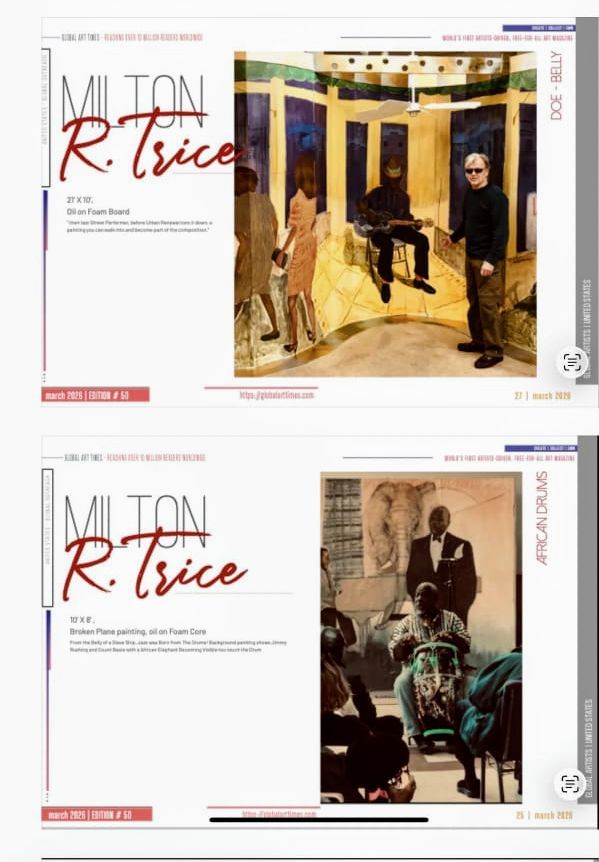
In March 2026, his profile and four life-size paintings were published by Global Art Times, one of the largest online art magazines.
Cultural Work: Deep Deuce and Jazz Legacy
Milton’s work extends beyond aesthetics into cultural preservation.
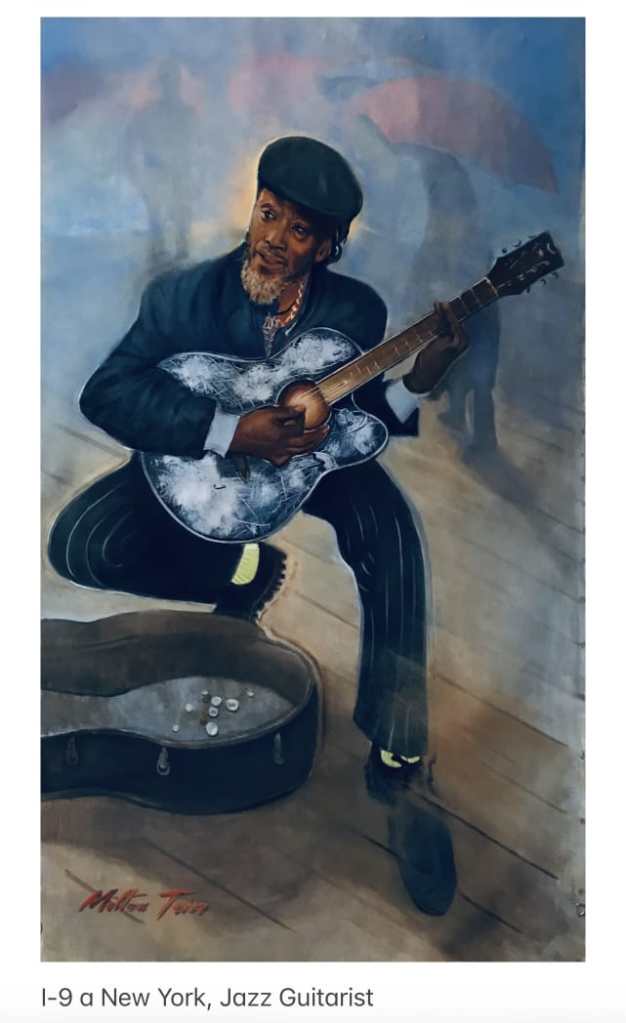
He has been actively documenting the history of Deep Deuce, a historically significant African American community in Oklahoma City where jazz culture once thrived.
His paintings include depictions of real-life figures such as street performer “Doe Belly,” captured in a monumental 20 x 8.5 ft oil painting.
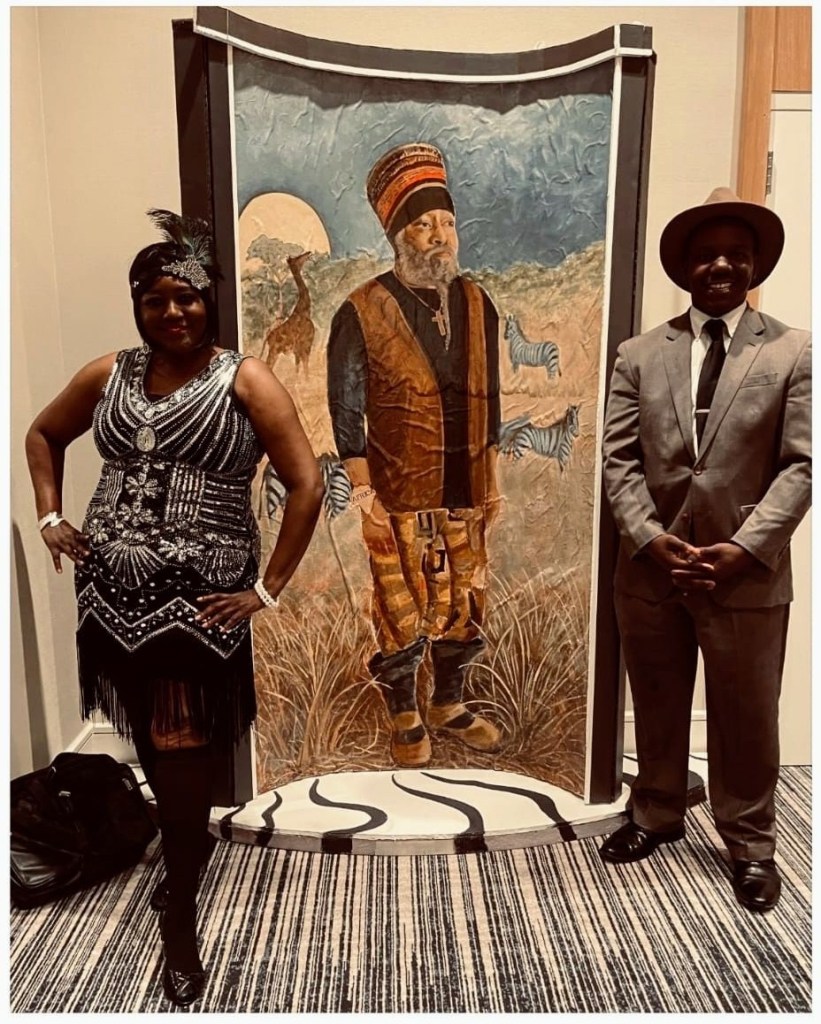
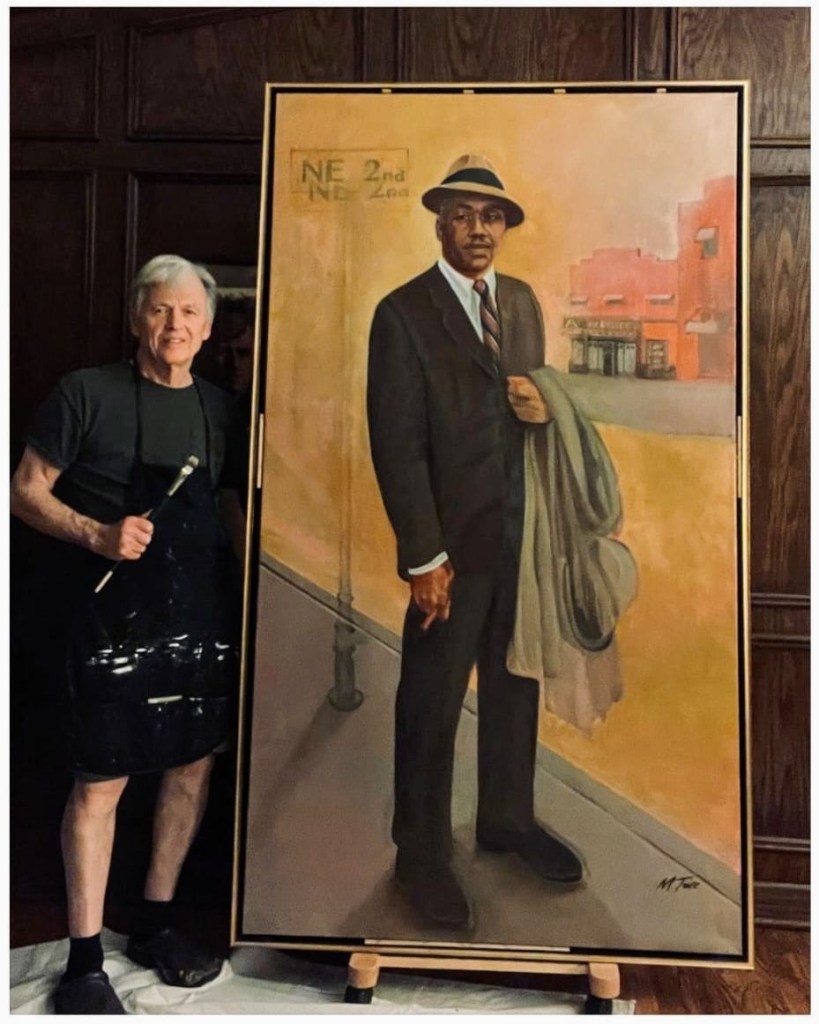
These works are intended for future installation in the National African American Jazz Legacy Museum (NAAJLM), contributing to the preservation of Black cultural history.
Faith and Early Commissions
In the mid-1980s, Milton served as the Episcopal artist for Saint Paul’s Cathedral, where many of his works were featured in church publications and newsletters.
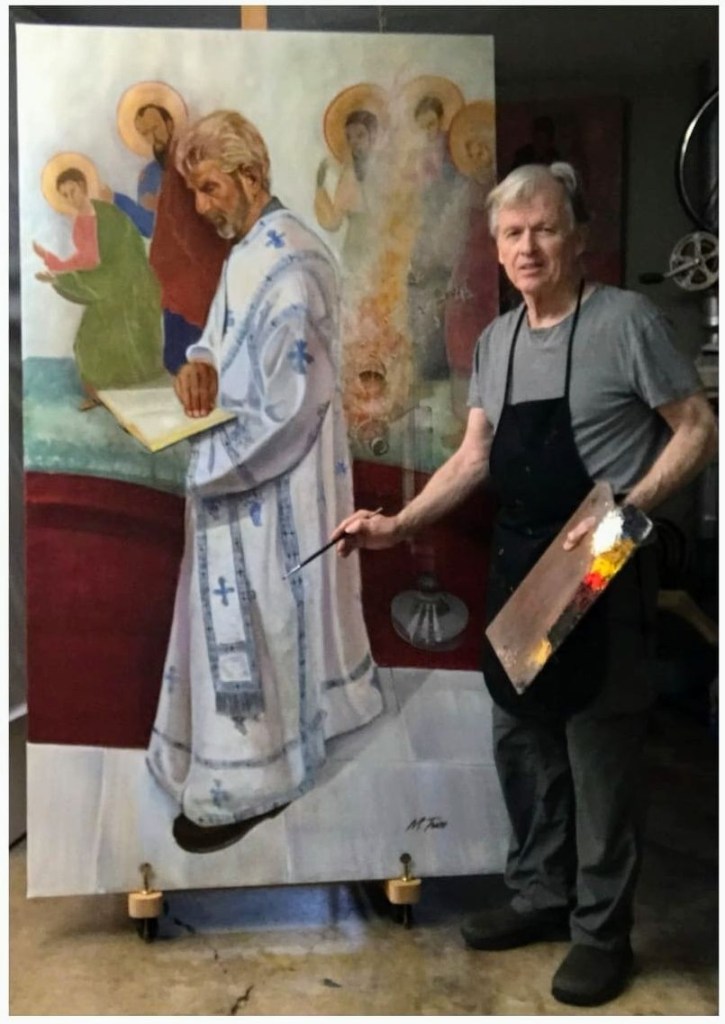
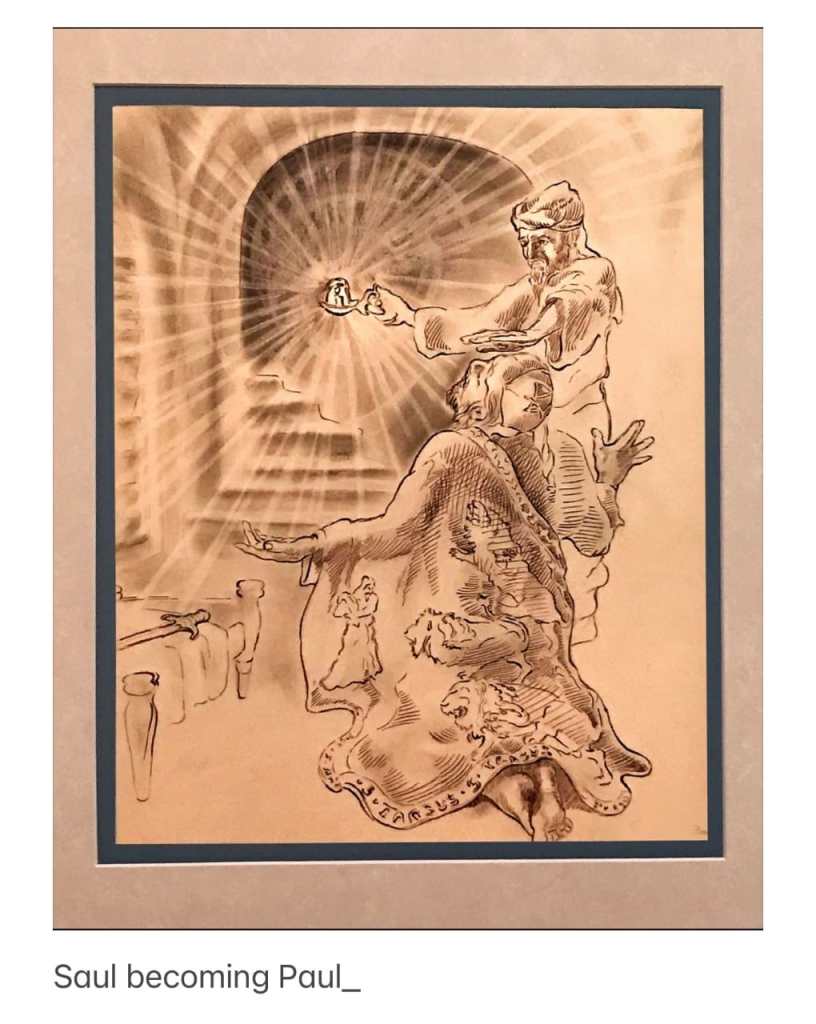
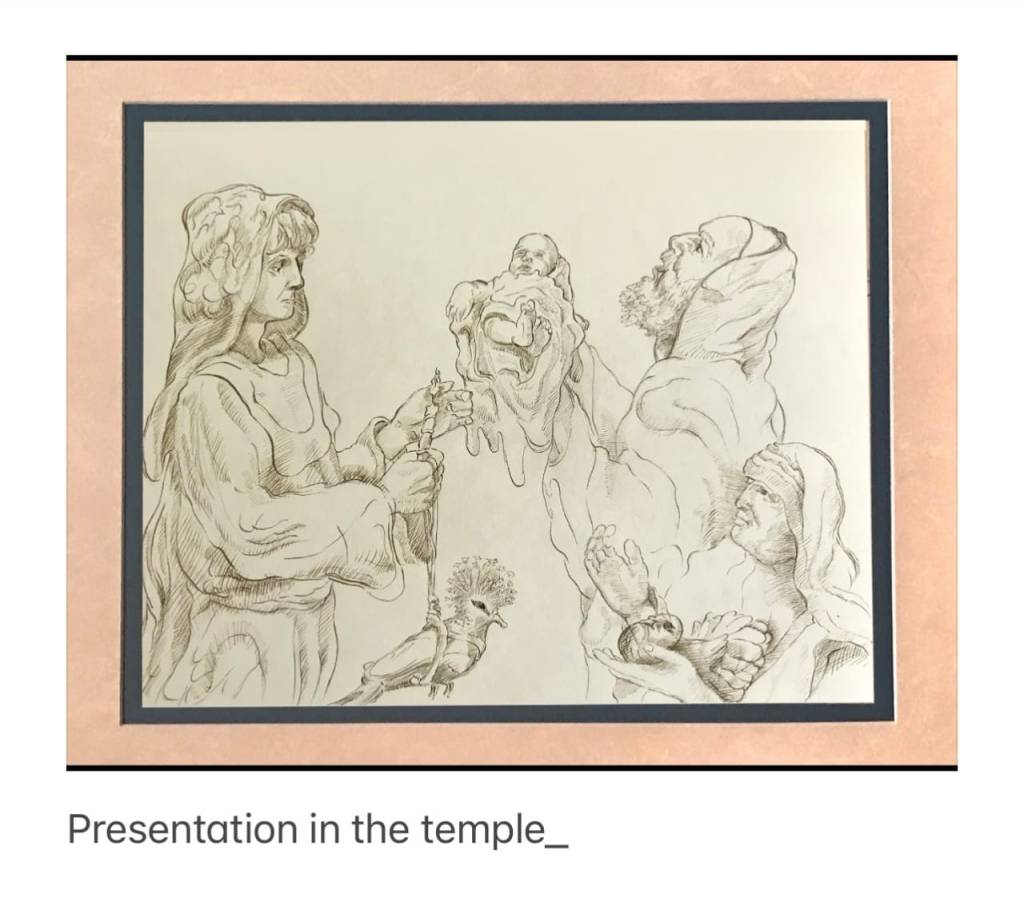
This period played a role in shaping both his artistic discipline and thematic depth.
A Life-Altering Moment: The Oklahoma City Bombing
One of the most profound moments in Milton’s life occurred during the events surrounding the Oklahoma City bombing.
The day before the tragedy, he had been sketching just two blocks from the Alfred P. Murrah Federal Building, planning to return the next day to paint under the same light conditions.
However, an unexpected phone call redirected his plans.
He was asked to meet potential buyers at a property he owned—at the exact same time he intended to paint downtown.
The following day, while waiting for them, he heard on the radio that the Murrah Building had been bombed.
Had he followed his original plan, he might have been at the site during the explosion.
Reflecting on this, Milton shares a profound belief:
“Art is life, and life is art. If it doesn’t kill you, it will sustain you.”
Legacy and Vision
Today, Milton R. Trice continues to develop and promote Stereo-Realism through:
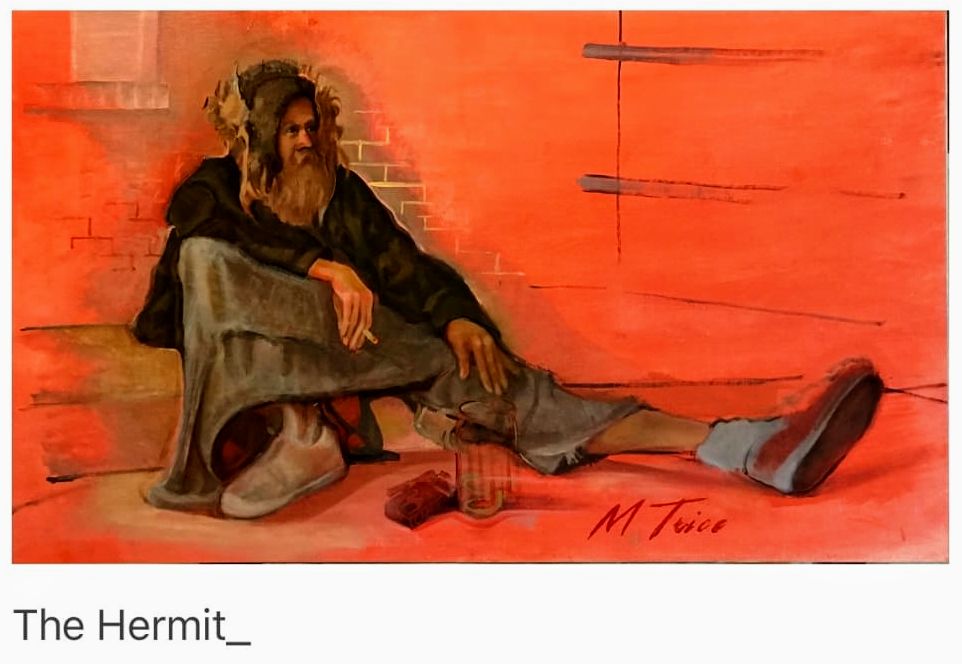
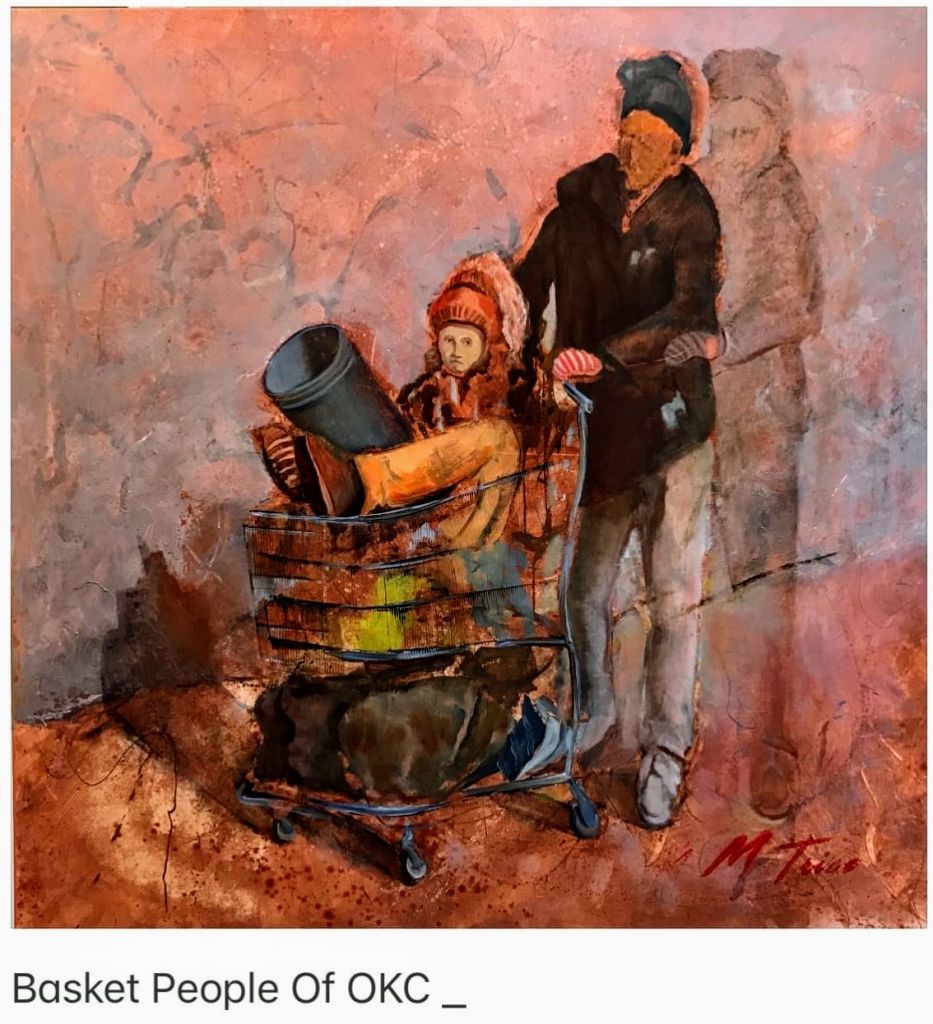
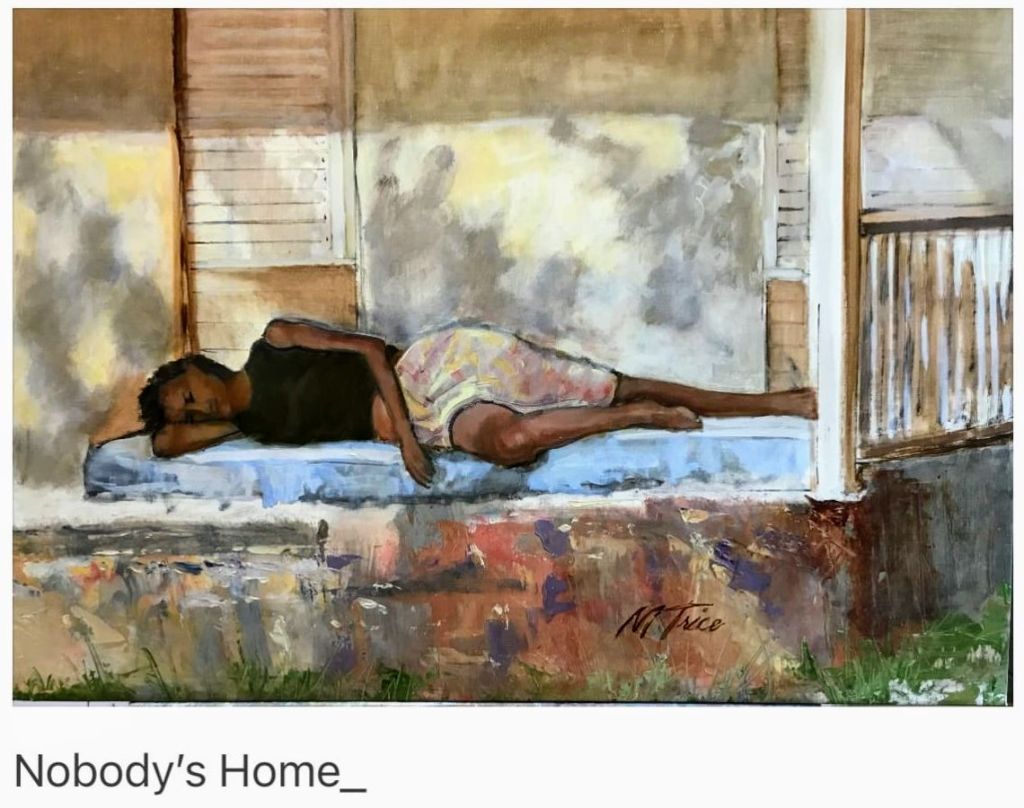
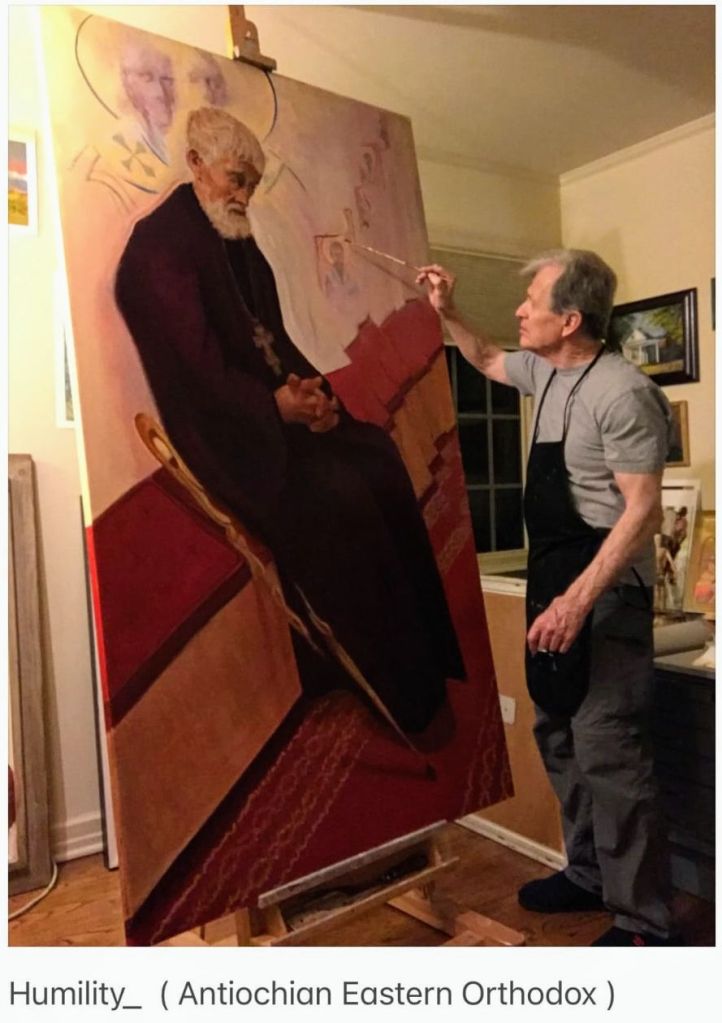
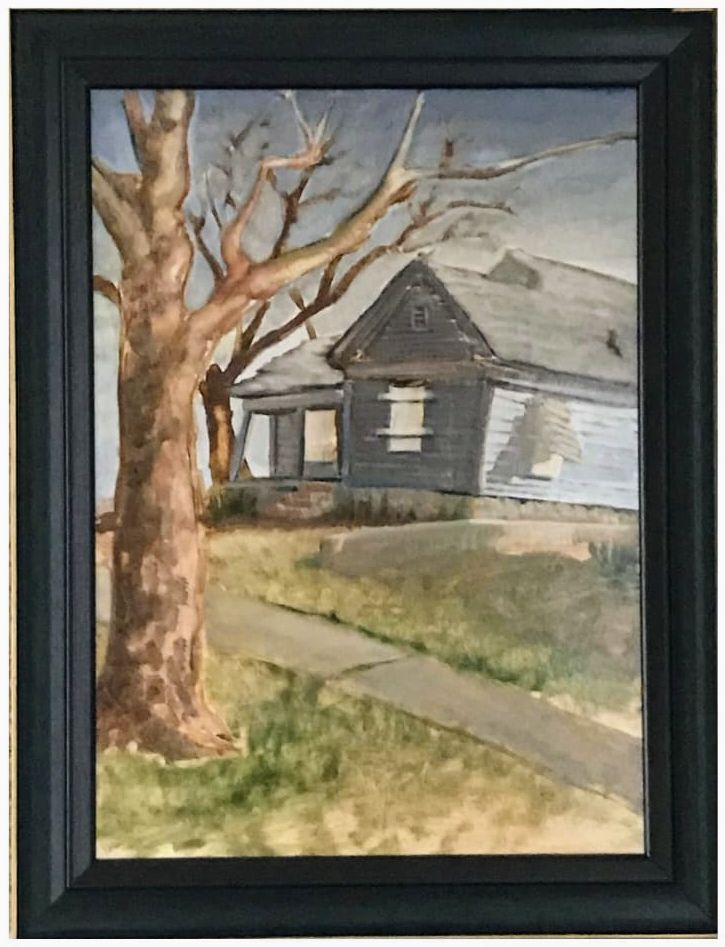
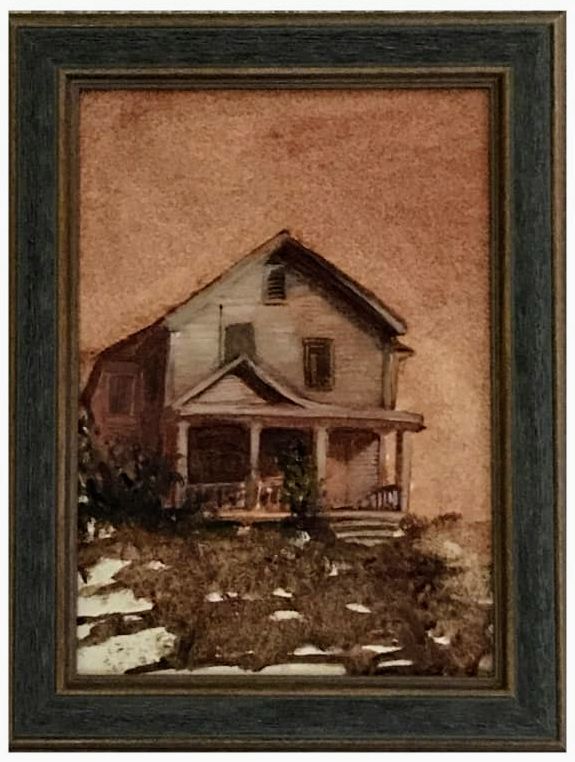
His mission is not only to innovate visually but to reshape how people experience art itself.
Closing Insight
Milton’s work stands at the intersection of:
- Innovation
- History
- Perception
- Survival
Through Stereo-Realism, he invites viewers into a space where art is no longer observed from a distance—but entered, felt, and lived.
Into the World of Milton R. Trice
With over four decades of artistic and street presence in Oklahoma City, Milton R. Trice explores the hidden narratives of the urban environment through personal encounters, observation, memory, and reflection. These stories reveal the human moments, philosophical questions, and social realities that continue to shape his artistic vision and the evolving language of Stereo-Realism.
 Worldwide Art Advocacy
Milton Trice is an amazing artist.
LikeLiked by 1 person