
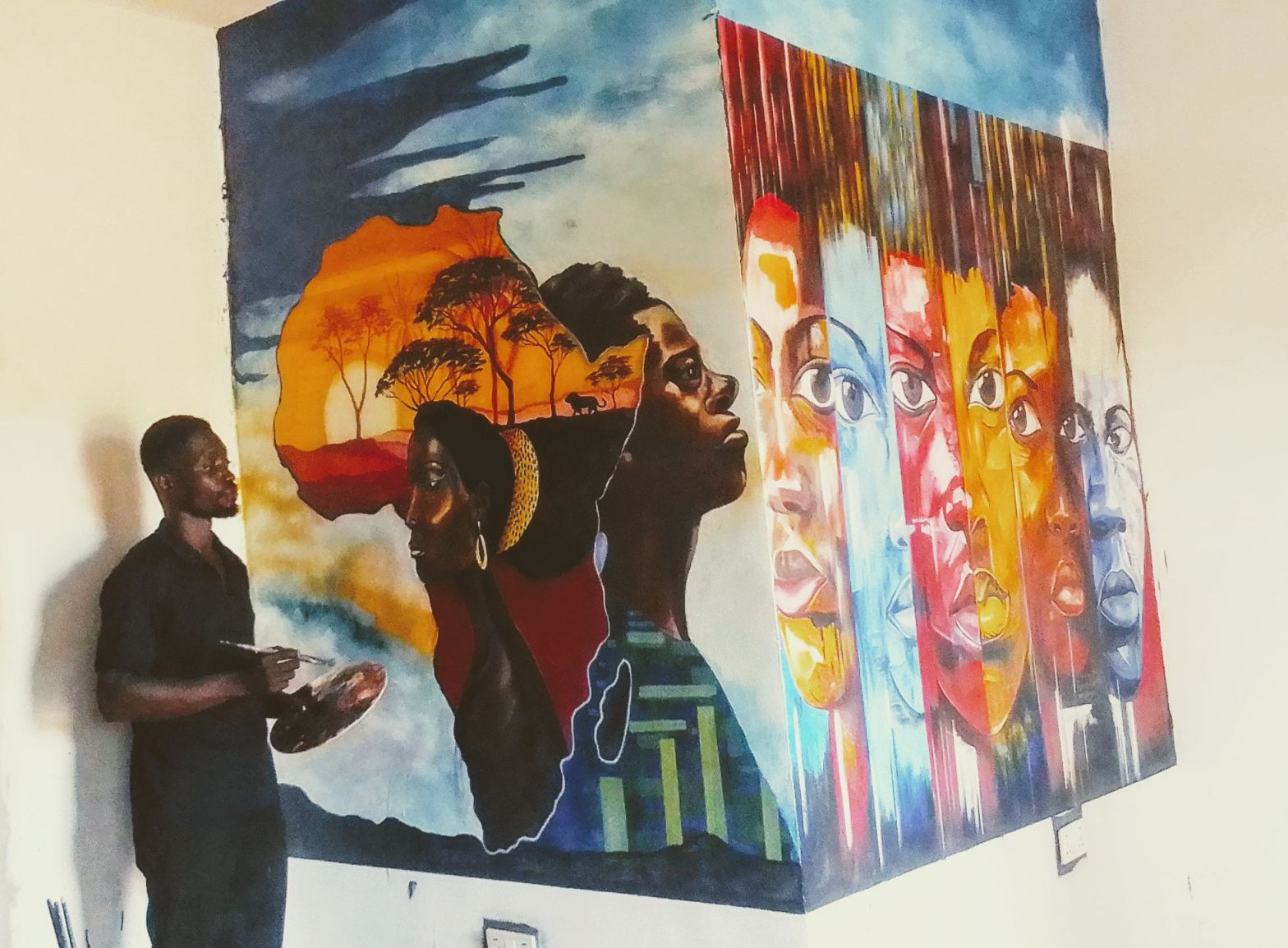
From Prep to Execution
Mural painting transforms ordinary walls into captivating storytelling surfaces. Whether you’re designing large-scale urban artwork or painting a personal indoor mural, mastering mural techniques requires planning, patience, and creativity. Let’s break down the essential steps to help you get started!
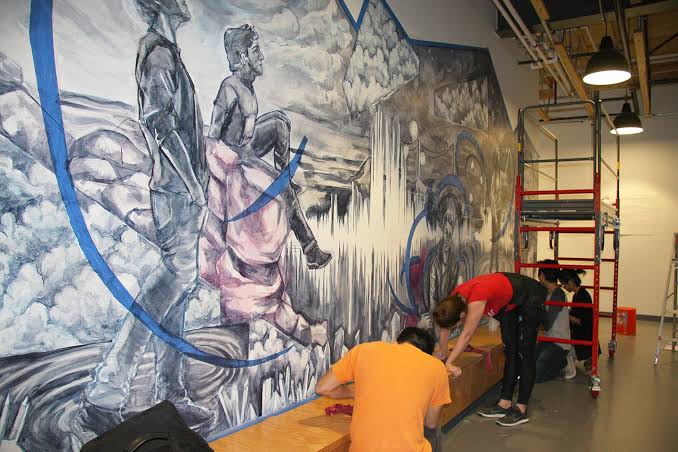
Why Mural Art?
Murals offer a powerful visual presence, breathing life into communities, businesses, and personal spaces.
✅ Public Art Expression – Murals tell stories and create conversation
✅ Interior Design Impact – Transform blank walls into artistic spaces
✅ Branding & Business Murals – Businesses use murals to enhance ambiance
✅ Street Art & Graffiti Fusion – Many artists blend traditional mural painting with modern street art elements
Step 1: Planning & Sketching Your Design
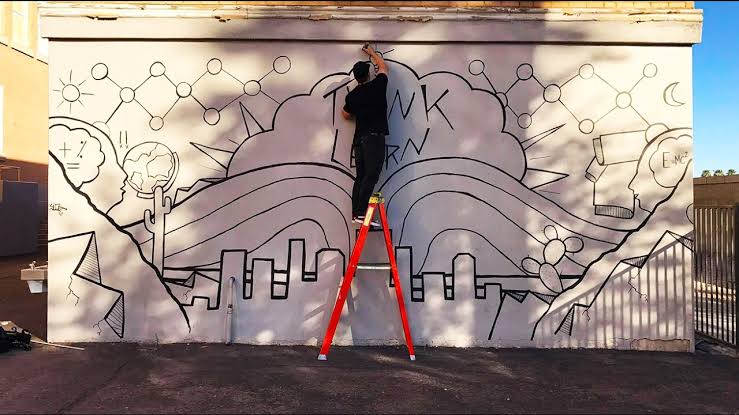
Before picking up a brush, your mural needs a blueprint. Consider:
✔ The Theme – Abstract? Portrait? Nature-inspired?
✔ Color Palette – Does it complement the surroundings?
✔ Wall Type – Concrete, brick, or drywall? Surface affects technique!
✔ Scale & Composition – Ensure balance and proportion across large areas
💡 Pro Tip: Sketch your mural on paper or digitally first—this helps visualize placement and proportions before painting.
Step 2: Prepping the Wall for Painting
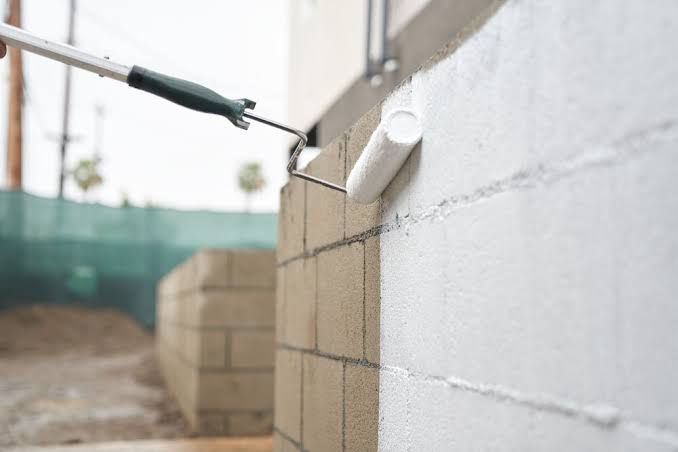
Murals require a well-prepared surface to ensure paint adheres properly.
🧽 Clean the wall – Remove dust and dirt for a smooth canvas
🎨 Apply a base coat (primer) – Helps paint absorb and last longer
🖊️ Outline your design – Use chalk, light pencil marks, or a projector for accuracy
💡 Acrylic-based primers work best for durability, especially for outdoor murals!
Step 3: Painting & Layering Techniques
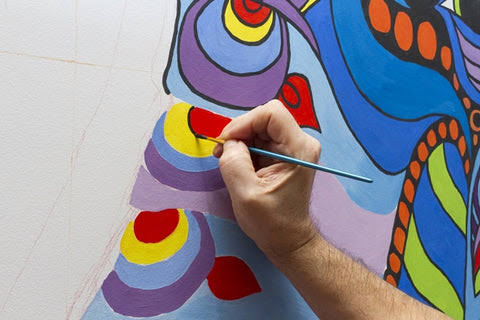
Once your wall is prepped, it’s time for color application!
🎨 Blocking In Colors – Fill large areas with base tones before details
🎨 Blending & Layering – Use smooth gradient techniques for soft transitions
🎨 Adding Textures – Sponge dabbing, dry brushing, or spray paint for variety
🎨 Fine Details – Use small brushes or airbrush tools for precision
💡 For outdoor murals, use UV-protected paint to prevent sun fading over time!
Step 4: Sealing & Protecting Your Mural
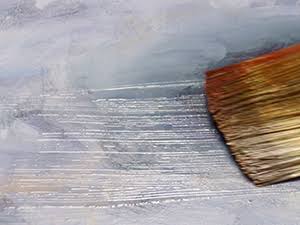
To ensure longevity, sealing is crucial:
✔ Apply a clear protective varnish – Adds durability, especially outdoors
✔ Consider graffiti-proof coating – Protects against unwanted tagging
✔ Check for touch-ups – Fix areas that need refinement before sealing
Final Thoughts: Your Story, Your Wall
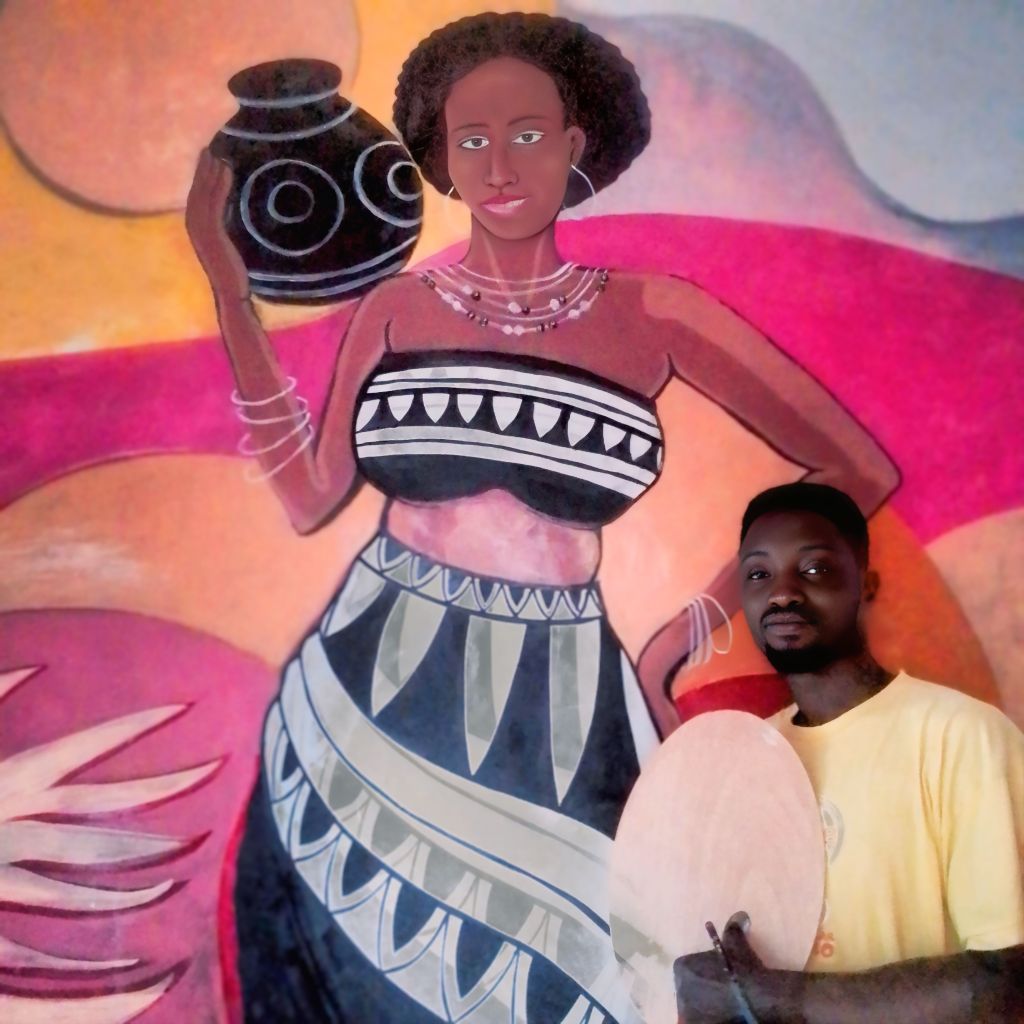
Murals are expressive, bold, and deeply personal. Whether painting an interactive community piece or beautifying an indoor space, mural art is about storytelling through color and composition.
🎨 Ready to create your first mural? Grab your brushes, prep your wall, and make your vision larger than life!
 Worldwide Art Advocacy