
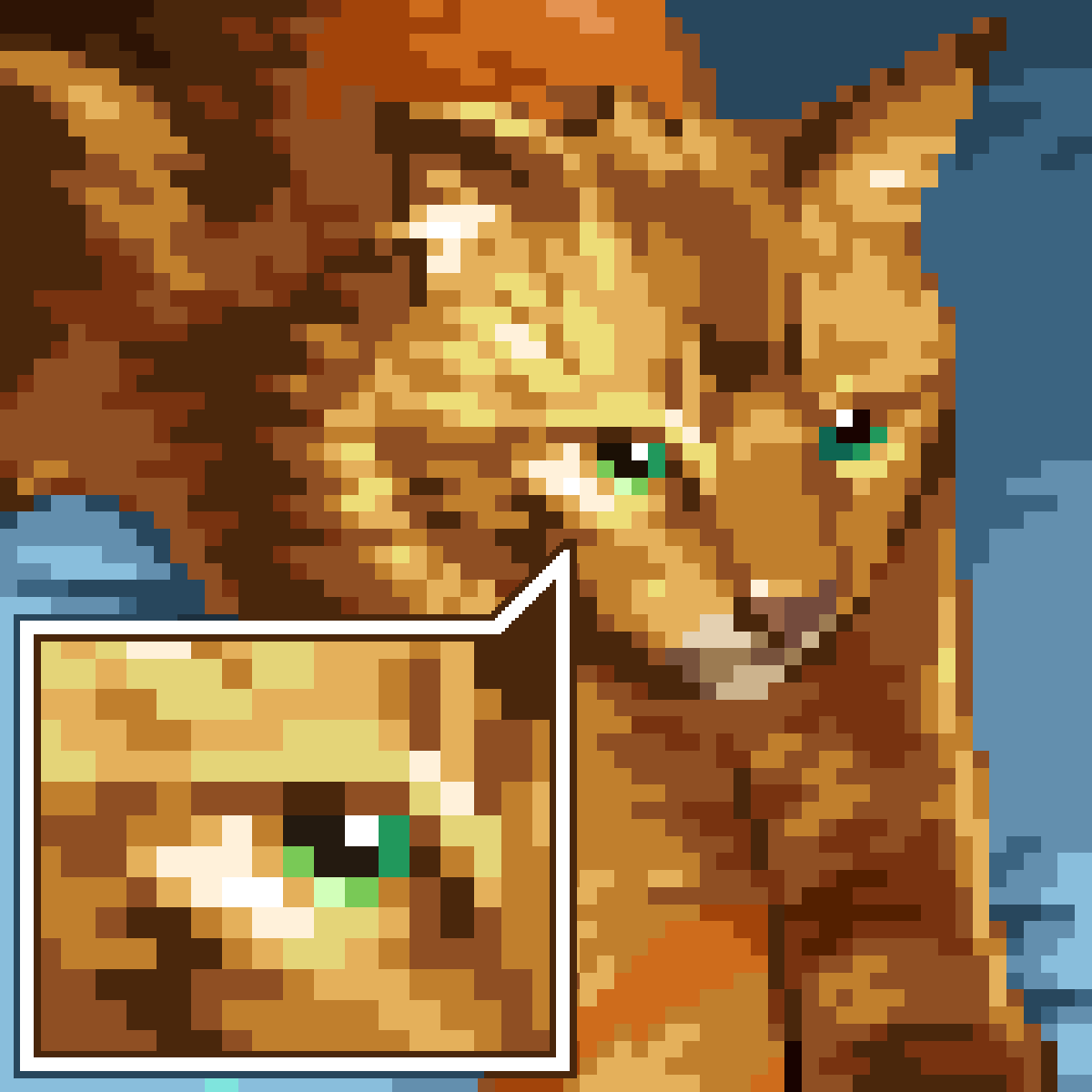
Pixel art is more than just tiny squares on a screen—it’s a blend of nostalgia, precision, and creativity. Whether you’re designing retro game characters, creating minimalistic animations, or simply exploring digital art in its purest form, pixel art offers a unique style that’s both challenging and rewarding.
Why Pixel Art?
Pixel art has been a staple of gaming culture since the early arcade days, but it has never lost its charm. Artists today use this form not only for indie games but also for posters, NFTs, and animations. The beauty of pixel art lies in its limitations—every pixel counts, making even the smallest decisions impactful.

Getting Started: The Essentials
Before diving in, here’s what you’ll need:
✅ A Pixel-Friendly Drawing Program (Aseprite, Pyxel Edit, Photoshop, or free options like Piskel)
✅ A Simple Color Palette (Pixel art thrives on a limited set of colors)
✅ Basic Knowledge of Shapes and Shading (Since each pixel is crucial, structure and lighting matter)
✅ Patience! (It’s a meticulous process, but incredibly rewarding)
Step 1: Start Small

Before creating elaborate scenes, begin with basic objects. A single apple, a heart, or a simple smiley face teaches you pixel placement, shading, and outlines. Think of pixel art as sculpting—but instead of clay, you’re working with tiny blocks.
Try this simple exercise:

- Create a 16×16 pixel canvas (super tiny!)
- Draw a circle using square pixels
- Add two shades to create depth
- Outline for clarity

Small-scale practice will help you master precision before moving on to complex pieces.
Step 2: Mastering Color and Shading

Shading in pixel art doesn’t follow the smooth gradients of traditional digital paintings. Instead, clusters of pixels create the illusion of depth.

🎨 Dithering – Alternating pixels to blend colors (useful for texture)
🎨 Hue Shifting – Slightly adjusting colors in shadows and highlights for richer depth
🎨 Contrast Control – Strong contrast makes objects pop, weak contrast makes things look dull

Understanding these techniques allows you to create realistic textures without needing thousands of colors.
Step 3: Animation Basics (Optional)

Once you’re comfortable with still images, consider simple animation. Pixel animations can be as basic as a blinking eye or a walking character.
A quick beginner method:
- Duplicate your frame
- Slightly shift pixels for movement
- Play back at 12-24 FPS for smooth motion

Animating in pixel art is labor-intensive but incredibly satisfying—even the simplest movements breathe life into your creation.
Final Thoughts: Progress Over Perfection
Pixel art isn’t about pixel-perfect perfection—it’s about style, personality, and expression. Some of the most iconic pixel-based designs break traditional rules, using rough lines and exaggerated proportions to create memorable visuals.
📌 Practice daily, observe classic pixel art, and experiment with styles. Soon, you’ll find yourself translating your creativity into tiny masterpieces—one pixel at a time.
Are you ready to start your pixel art journey? Grab your digital canvas, zoom into those tiny squares, and bring your imagination to life—one pixel at a time.
🎮✨ Happy pixeling!

• No Computer Needed
• Drawing Apps & Tutorials
• 4 Bonus Items
• Stylus Pen
• Portable • Standalone
• 10 Inch Screen
• Best Gift for Beginner Digital Graphic Artist
• PCX : Electronics
[Contains affiliate links. I may receive a small commission if you buy from these links.]


 Worldwide Art Advocacy