Technology, globalization, and evolving audience expectations are reshaping the art industry. How can artists stay ahead?
The creative landscape is shifting rapidly. While traditional art forms remain relevant, digital innovations, new business models, and emerging platforms are redefining what it means to be a successful artist. Whether you’re a painter, sculptor, photographer, or multimedia creator, understanding these changes can help you future-proof your career.
1. The Rise of Digital and AI-Generated Art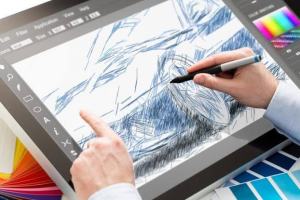
Digital art is no longer just a niche—it’s a dominant force in the industry. From NFTs to AI-generated paintings, artists are leveraging technology to expand their creative possibilities.
Key opportunities include:
- Creating and selling digital artwork through NFT platforms like OpenSea and Foundation.
- Exploring AI tools such as MidJourney and Deep Dream to enhance artistic expression.
- Using digital platforms to collaborate with brands, musicians, and filmmakers.
2. Expanding Your Reach Through Online Platforms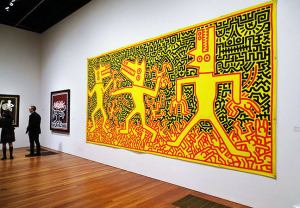
The internet has eliminated geographical barriers, allowing artists to connect with collectors, galleries, and fans worldwide.
Top platforms for artists include:
- Global Art Forms – Connecting artists across different disciplines.
- Saatchi Art – An online marketplace for contemporary artists.
- Etsy – Ideal for handmade and unique artistic creations.
- Behance – Showcasing digital portfolios to potential clients.
3. Art Education and Knowledge Sharing
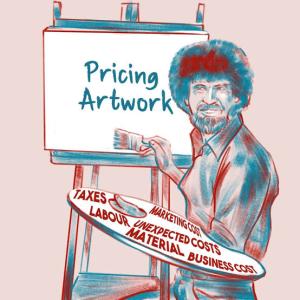
More artists are transitioning into educators, creating online courses, hosting workshops, and sharing their expertise.
How to get started:
- Offer virtual classes through platforms like Skillshare or Udemy.
- Start a YouTube channel to share techniques and build an audience.
- Host live workshops through Zoom or Instagram Live.
4. Art Residencies and Global Opportunities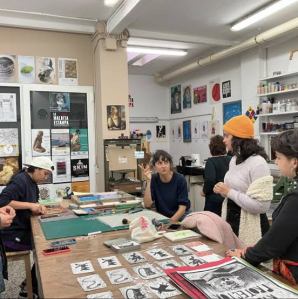
Artist residencies provide immersive experiences, allowing creators to develop their work in unique environments.
Explore Global Art Residencies to find opportunities that match your artistic goals.
5. The Growing Demand for Public and Community Art
More cities and organizations are commissioning public art projects, mural installations, and interactive experiences.
Ways to get involved:
- Apply for public art grants and residencies.
- Connect with local government programs that fund community-driven art.
- Collaborate with environmental and social initiatives to create impactful works.
6. The Role of Sustainability in Art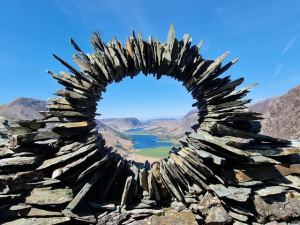
Eco-conscious art is gaining traction. From upcycled sculptures to biodegradable materials, sustainability is shaping the future of creativity.
Consider exploring recycled materials, eco-friendly paint, or even sustainable craft techniques.
7. Preparing for the Future
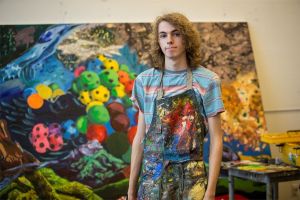
To thrive in the evolving art world, artists should:
- Embrace technology while staying true to their creative identity.
- Explore multiple revenue streams, from online sales to teaching.
- Network with fellow artists and industry professionals.
Take Charge of Your Art Career
The future of art is dynamic, filled with challenges and exciting possibilities. By staying adaptable, continuously learning, and leveraging new tools, artists can not only survive but thrive in this ever-changing landscape.
 Worldwide Art Advocacy