
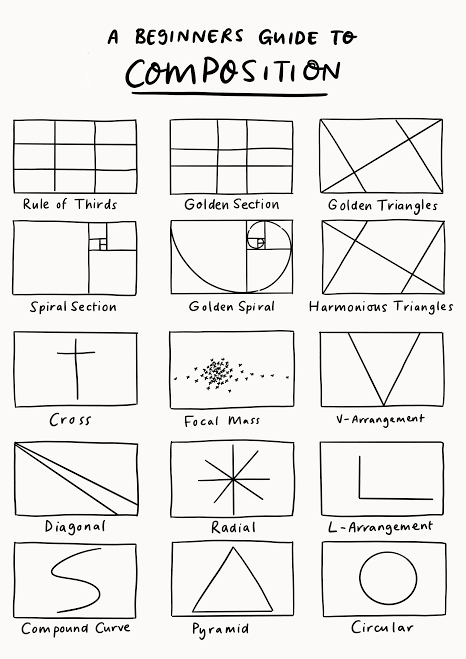
Composition is the backbone of any artwork, guiding the viewer’s eye and shaping the overall impact. Whether you’re painting, sculpting, or creating digital art, understanding composition techniques can transform a good piece into a masterpiece.
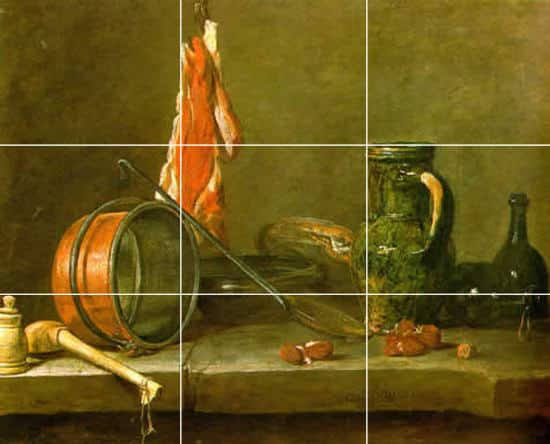
1. The Rule of Thirds: A Simple Yet Powerful Guide
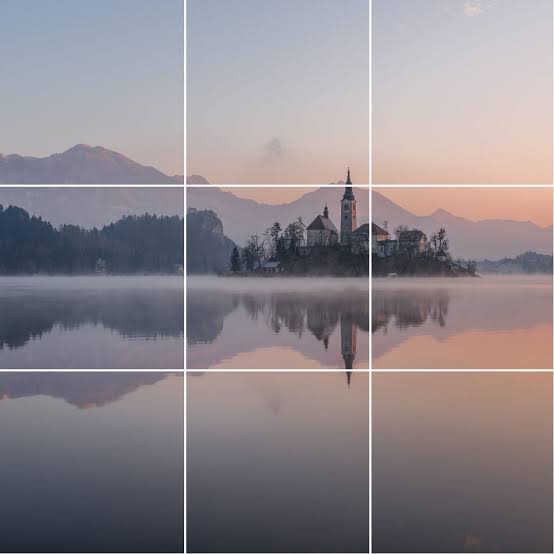
Divide your canvas into a 3×3 grid. Placing focal points at the intersections creates a natural, balanced composition. This technique is widely used in painting, photography, and film.
2. Leading Lines: Guiding the Viewer’s Eye
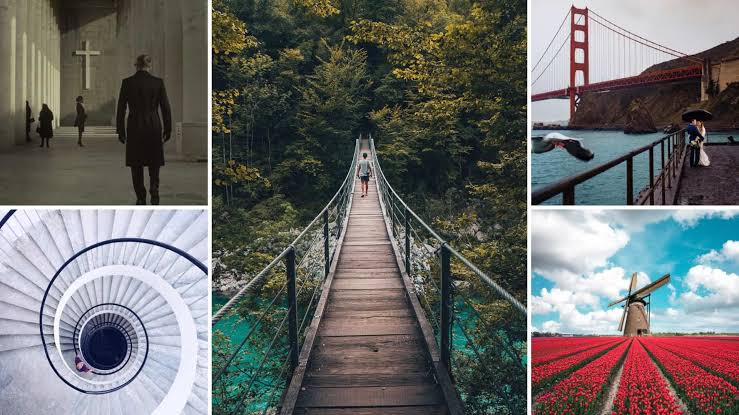
Lines—whether visible (roads, rivers, arms) or implied (gaze direction, perspective)—draw attention toward the focal point. Artists like Leonardo da Vinci used leading lines to enhance depth and storytelling.
3. Balance: Symmetry vs. Asymmetry
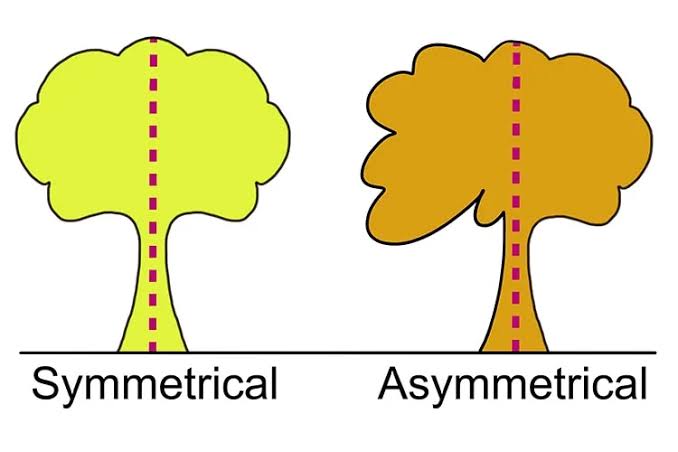
• Symmetrical Composition: Creates harmony and stability (e.g., Da Vinci’s Vitruvian Man).
• Asymmetrical Composition: Adds movement and energy by balancing different elements (e.g., Japanese ukiyo-e prints).
4. Golden Ratio: The Divine Proportion in Art
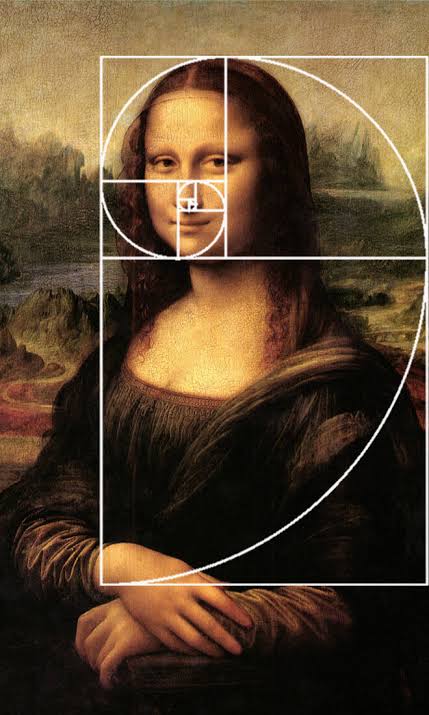
The Fibonacci sequence creates a spiral pattern found in nature, architecture, and famous artworks like The Birth of Venus by Botticelli. This ratio enhances aesthetic appeal and natural flow.
5. Negative Space: The Power of Emptiness
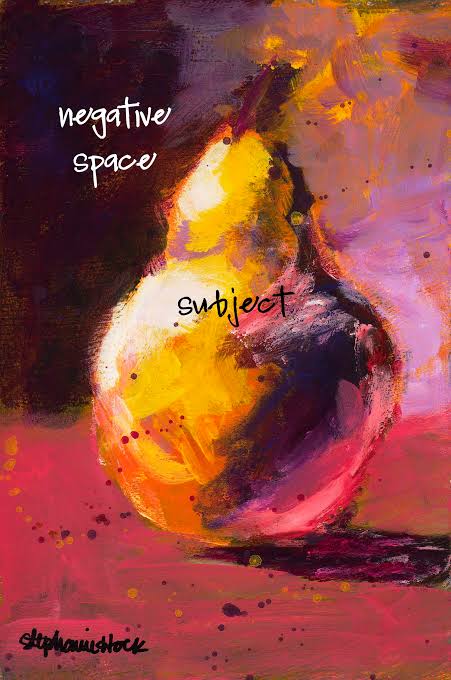
Leaving areas empty (negative space) emphasizes the subject, creating breathing room. Traditional East Asian ink paintings masterfully use this technique to suggest depth and simplicity.
6. Contrast and Focus: What Stands Out?
High contrast in color, size, or texture grabs attention. Caravaggio’s chiaroscuro (light-dark contrast) exemplifies this, as does modern graphic design.
7. Framing: Containing the Composition
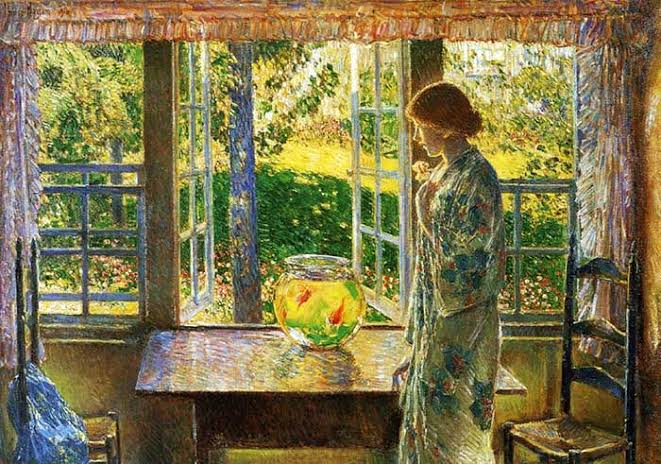
Using elements to frame the subject (e.g., tree branches, windows, arches) directs focus and adds depth.
8. Dynamic vs. Static Composition
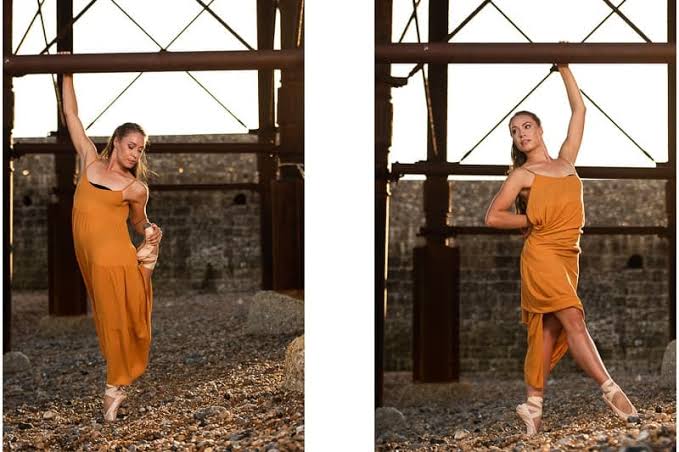
Dynamic: Diagonal lines, swirling movement, and asymmetry create energy (e.g., Baroque art).
Static: Vertical and horizontal lines, symmetry, and stability create calmness (e.g., Classical sculptures).
9. Layering & Overlapping: Creating Depth
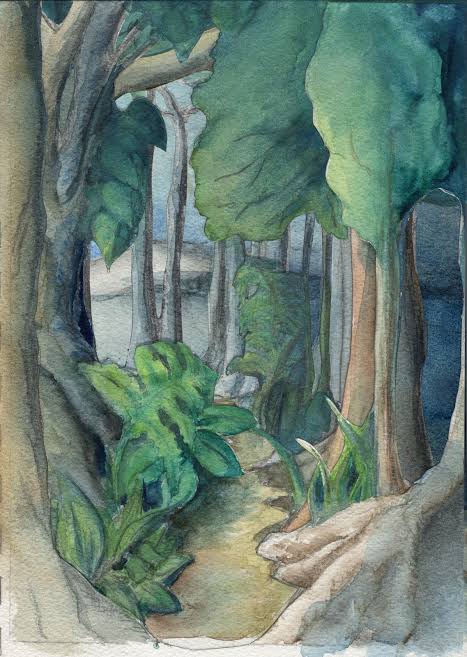
Artists use overlapping objects, size variation, and atmospheric perspective to simulate depth in two-dimensional works. Renaissance painters mastered this for realistic landscapes.
10. Experimentation: Breaking the Rules
Great artists often break traditional composition rules to create unique effects. Abstract art challenges balance, while surrealism distorts perspective to evoke dreamlike sensations.
Expand Your Artistic Knowledge
Explore more art techniques and styles in our Global Art Forms directory.
Feature Your Work with Worldwide Art Advocacy
Join our network of global artists! Submit your portfolio here to showcase your talent.
You get some great, amazingly fantastic news. What’s the first thing you do?
 Worldwide Art Advocacy