
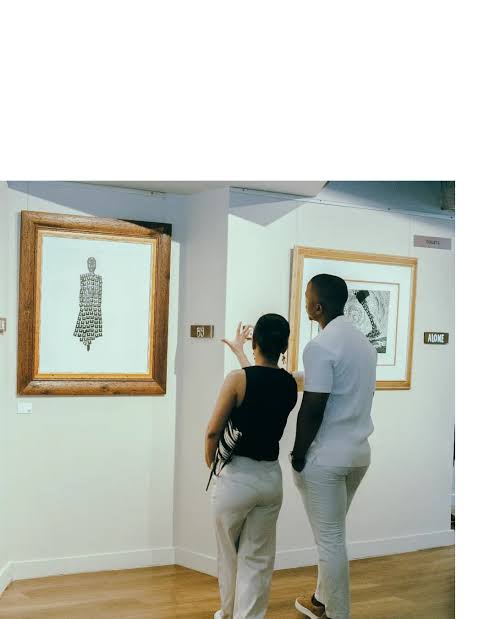
Preparing for an art exhibition is a thrilling yet daunting experience. It’s a moment to share your creativity with the world, but it also comes with a host of challenges. Whether it’s your first exhibition or your fiftieth, the process requires thoughtful planning, emotional readiness, and a dash of courage. Let’s dive into the journey, step by step, to ensure your exhibition is not just successful but also a celebration of your artistic vision.

- Start with a Clear Concept
Every great exhibition begins with a compelling theme or story. Ask yourself: What do I want people to feel or understand when they view my work?
For example, if you’re showcasing landscapes, think about the narrative behind them. Are they about serenity, environmental change, or cultural identity? Having a unifying concept not only helps you curate your pieces but also creates a more cohesive experience for your audience.
- Curate Thoughtfully
Selecting the right pieces for your exhibition is both an art and a science. Don’t try to include everything you’ve ever created; instead, focus on quality over quantity.
Tips for Curating:
Choose works that align with your theme.
Include a mix of showstoppers and subtle pieces to create visual balance.
Arrange the artworks to guide viewers through a journey, starting with an impactful piece that draws them in.
Example: Think of Yayoi Kusama’s exhibitions. Her famous infinity rooms are always paired with smaller, more intimate works, creating a rhythm that keeps viewers engaged.
- Prepare Your Artwork
Ensure your pieces are ready to be displayed. This might involve framing, mounting, or applying finishing touches.
Framing and Presentation: Use frames that enhance the artwork without overshadowing it. For minimalist works, simple frames work best. For more ornate pieces, you can opt for elaborate frames that add to the drama.
Labeling: Create professional labels for each piece, including the title, medium, and price (if applicable).
Pro Tip: Always inspect your work for imperfections. A small scratch or smudge might go unnoticed in your studio but can stand out under gallery lighting.
- Plan the Space
The venue plays a huge role in how your art is perceived. Whether you’re exhibiting in a gallery, a café, or an outdoor space, visit the location beforehand to understand its layout.
Things to Consider:
Lighting: Natural light is ideal, but adjustable spotlights can highlight details.
Flow: Arrange pieces to encourage movement and interaction.
Ambiance: Music, scents, or interactive elements can elevate the experience.
Example: I once attended an exhibition where the artist used dim lighting and soft music to create an ethereal mood. It transformed the entire experience, making the art feel alive.
- Craft an Artist Statement
Your artist statement is your voice when you’re not there to explain your work. Keep it concise, engaging, and aligned with the theme of your exhibition.
What to Include:
Your inspiration for the exhibition.
The message or story behind your work.
How your background influences your art.
A friend of mine once shared a deeply personal story in her artist statement, connecting her work on identity to her childhood experiences. It resonated so strongly that visitors were moved to tears.
- Promote Like a Pro
No matter how stunning your exhibition is, it won’t succeed without an audience. Marketing is crucial.
Steps to Promote:
Social Media: Share behind-the-scenes content, teasers, and invitations.
Press Releases: Send announcements to local art blogs, magazines, and newspapers.
Personal Invites: Reach out to friends, family, and art collectors. A personal touch can go a long way.
Example: A local artist in my community created a countdown series on Instagram, sharing one piece per day leading up to the exhibition. It generated excitement and ensured a packed opening night.
- Prepare for the Big Day
On the day of the exhibition, make sure everything is in place. Arrive early to check the setup, lighting, and overall ambiance.
Tips for Opening Night:
Greet visitors personally and share insights about your work.
Have business cards or brochures available for networking.
Plan a short speech or tour to engage your audience.
Pro Tip: Stay open to feedback, even if it’s constructive criticism. Every comment is an opportunity to learn and grow.
- Follow Up After the Exhibition
The exhibition might be over, but your work isn’t.
Thank Your Guests: Send thank-you notes or emails to those who attended.
Reflect: What went well? What could you improve for next time?
Stay Connected: Reach out to collectors, gallery owners, or collaborators you met during the event.
Example: After one of my exhibitions, I followed up with a curator who had shown interest in my work. That connection led to a group show six months later.
Final Thoughts
Preparing for an art exhibition is more than just showcasing your work—it’s about telling a story, engaging with your audience, and growing as an artist. It’s a mix of creativity, organization, and passion.
Remember, your art has the power to inspire, provoke, and connect. Approach the process with confidence, and let your exhibition be a celebration of your unique voice in the art world.
 Worldwide Art Advocacy