
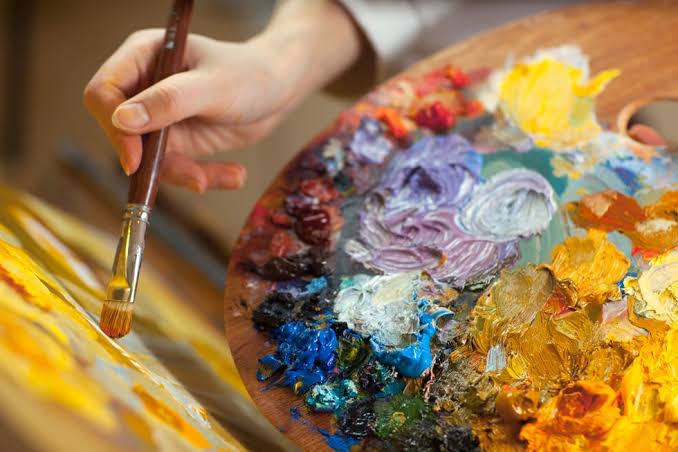
An artist statement is a powerful way to communicate your vision and creative process to your audience. Here’s how to craft one that truly resonates:
1. Start With Your Inspiration
- Explain what inspires your art—nature, culture, personal experiences, or social issues.
- Share the story behind your passion for creating art.
2. Describe Your Creative Process
- Detail how you approach your work, from concept to execution.
- Mention the techniques, tools, and mediums you use.
3. Highlight Your Themes
- Identify the recurring ideas or emotions in your work (e.g., identity, nature, or transformation).
- Explain how your art reflects these themes.
4. Keep It Simple and Authentic
- Avoid jargon or overly complex language; write as if you’re speaking to a friend.
- Be honest about your motivations and goals as an artist.
5. Tailor It for Your Audience
- If it’s for a gallery, focus on your professional achievements.
- For social media or casual events, keep it conversational and approachable.
6. Keep It Brief
- Avoid lengthy paragraphs; aim for one to two concise paragraphs.
- Focus on the essentials—your inspiration, process, and themes.
7. Revise and Get Feedback
- Edit multiple drafts to refine your statement.
- Ask trusted friends, fellow artists, or mentors to review it.
Recommended Resources
- Writing the Artist Statement: Revealing the True Spirit of Your Work: Amazon.co.uk: Goodwin, Ariane: 9780741408433: Books
With a well-crafted artist statement, you can better connect with your audience and articulate the passion behind your work.
 Worldwide Art Advocacy